
When it comes to maintaining a healthy septic system, what you don’t flush or pour down the drain often matters more than how often you pump. Many homeowners believe that regular pumping is enough to keep their systems running smoothly, but in reality, it’s the daily habits, like the cleaning products used, the amount of water consumed, and the waste introduced into the system, that have the biggest long-term impact. As Jones Septic Service, serving homeowners, commercial property managers, contractors, and real estate professionals in Dutchess County, we see firsthand how common mistakes can lead to costly repairs or premature system failures.
Whether it’s flushing wipes labeled “flushable,” pouring grease down the kitchen sink, or using harsh chemical cleaners, seemingly minor actions can disrupt the delicate balance of bacteria that septic systems rely on to function. In this post, we’ll walk you through how septic systems work, why certain cleaners are risky, the most common warning signs of system trouble, and how our professional services can help you protect your investment.
Preventative maintenance is key, and being informed is the first step. If you’re unsure about your system’s health, consider scheduling a Dutchess County NY Septic Tank Inspection to identify potential issues before they escalate. Our experienced team is ready to assess your system thoroughly and provide clear recommendations, helping you avoid emergencies and preserve property value.
How a Septic System Works: Basics for Homeowners & Commercial Properties
Understanding the basic components and function of a septic system is essential for both homeowners and commercial property managers. A typical setup includes several key parts: a home sewer drain, a septic tank, a distribution box, and a drain field (also called a leach field). Each part plays a specific role in treating and disposing of wastewater efficiently and safely.
When water from toilets, sinks, showers, and appliances flows out of your home, it first enters the septic tank. Inside the tank, solids settle at the bottom forming sludge, while oils and grease float to the top as scum. In the middle, the liquid component, known as effluent, remains and eventually flows out to the distribution box. From there, it’s channeled to the drain field where it’s dispersed and naturally filtered by the soil, which removes harmful bacteria, viruses, and nutrients before the water returns to the groundwater system.
This entire process depends heavily on a delicate ecosystem of bacteria that break down organic waste within the tank. When harsh chemicals, like bleach, antibacterial soaps, industrial degreasers, or solvent-based cleaners, enter the system, they can kill off this essential bacteria, disrupting the entire treatment process. This can lead to clogged pipes, poor drainage, and even septic failure if not addressed promptly.
To prevent buildup and keep everything flowing efficiently, Routine Dutchess County NY Septic Tank Pumping is recommended. This service removes excess sludge and scum that bacteria can’t fully break down, ensuring that there’s enough capacity in your tank and that the system doesn’t overflow or send untreated waste into your drain field. Regular maintenance like this not only extends the lifespan of your septic system but also protects your property and the surrounding environment.
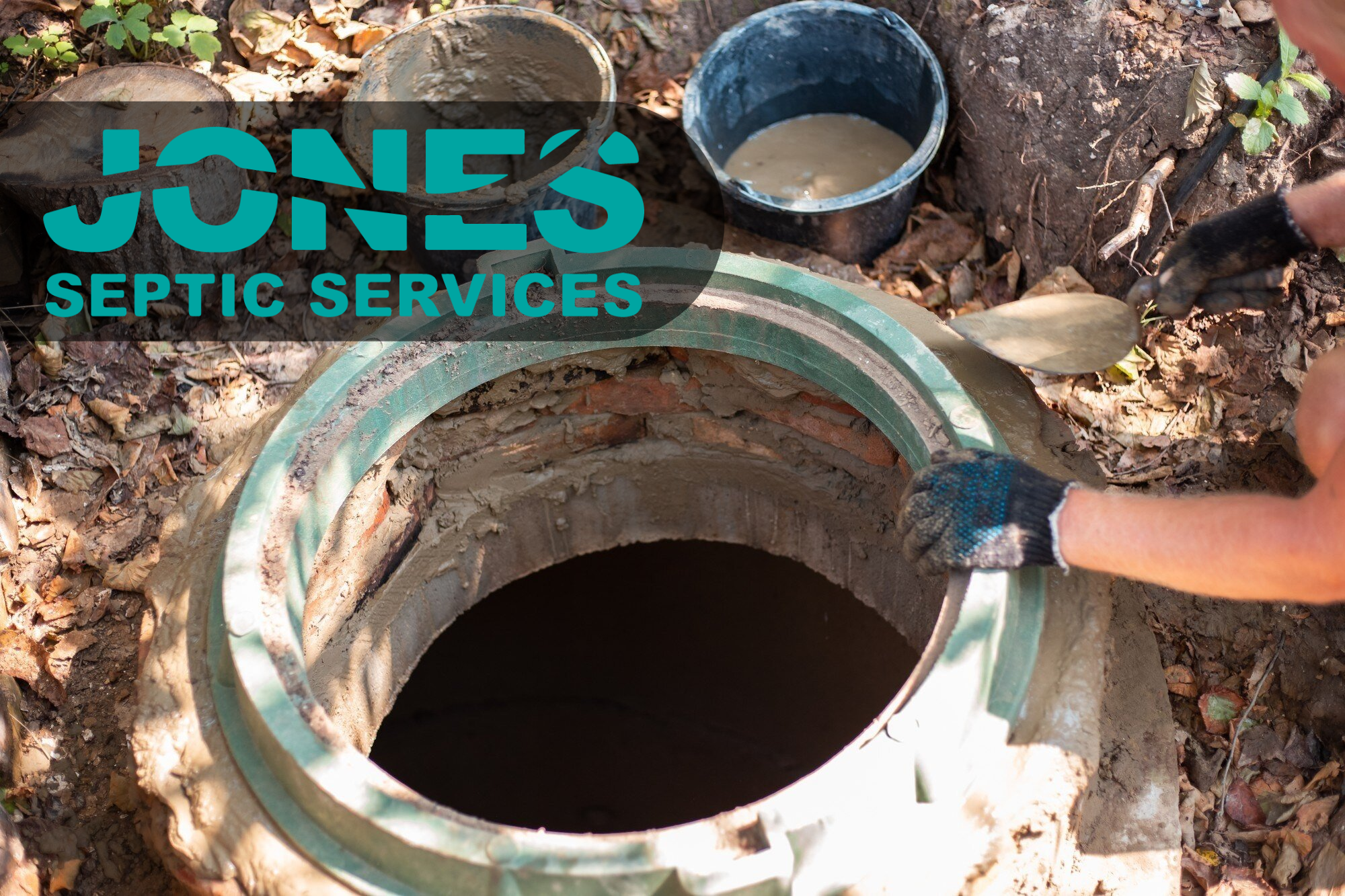
How Household Cleaners & Chemicals Can Harm Your Septic System
Your septic system depends on a delicate balance of naturally occurring bacteria to break down waste efficiently. When that balance is disrupted, often by the very products we use to clean our homes—the system’s ability to function properly can quickly deteriorate. Certain cleaners and chemicals can:
- Kill beneficial bacteria in the tank, undermining the biological process responsible for breaking down solids.
- Cause sludge buildup, as undigested waste accumulates, reducing tank capacity and increasing the frequency of clogs and backups.
- Damage pipes or soil in the drain field, especially when caustic substances corrode plumbing or contaminate the surrounding environment.
- Lead to costly repairs or full system replacement, especially if damage to the drain field or tank goes unnoticed or unresolved.
Unfortunately, many common household products contribute to these issues. It’s important to be cautious with:
- Bleach and disinfectants, which are designed to kill bacteria, good and bad.
- Chemical drain openers, which can corrode pipes and kill off microbial life essential to waste breakdown.
- Solvents and degreasers, often found in garage or heavy-duty cleaning supplies, which are toxic to septic ecosystems.
- Antibacterial soaps, which continuously introduce antibacterial agents into the system with everyday use.
- Laundry and dishwashing detergents, particularly those with phosphates, surfactants, or fragrances that are difficult for bacteria to process.
Even products labeled as “septic-safe” can cause harm when used in excess. Many of these labels don’t account for the cumulative impact of daily use across multiple drains and appliances. That’s why moderation is critical, along with awareness of how your choices affect your system.
If you suspect your system is suffering from chemical buildup or slow breakdown of waste, our Dutchess County NY Septic Tank Cleaning service can help. This thorough cleaning process removes excess sludge and restores your tank’s functional capacity, making it easier for natural bacterial processes to resume. It’s a proactive way to avoid long-term damage and protect your property investment.
Warning Signs of Trouble
Septic systems are designed to operate quietly in the background, but when something goes wrong, the signs often become very noticeable. Catching these early red flags can make the difference between a quick fix and a costly, large-scale repair. Here are some of the most common indicators that your system may be in distress:
- Slow drains: If sinks, bathtubs, or showers start draining sluggishly, it may mean your tank is full or there’s a clog in your pipes or drain field.
- Gurgling pipes: Unusual sounds from your plumbing, especially after flushing or draining water, could suggest air is trapped due to backup or blockages.
- Sewage odors: Persistent smells inside your home or near your drain field are strong indicators that waste is not being properly contained or treated.
- Wet spots in your yard: Patches of overly green grass, soggy soil, or unexplained pooling water can mean untreated effluent is surfacing above the drain field, often due to system failure.
- Frequent need for pump-outs: If you’re calling for service more often than recommended, it could point to underlying problems such as excess sludge, chemical imbalance, or drain field saturation.
While these signs might seem manageable at first, they can quickly escalate into more severe issues affecting both your property and the local environment. Ignoring them increases the risk of full system failure, groundwater contamination, and expensive emergency repairs.
If your system shows any of these symptoms, it may be time for a Dutchess County Septic Tank Repair to address the root cause before damage becomes irreversible. Our technicians use advanced diagnostics to pinpoint the problem, whether it’s in the tank, piping, or drain field, and provide tailored solutions to restore optimal performance.
Best Practices to Protect Your Septic System
Maintaining a healthy septic system isn’t just about what goes into the tank, it’s also about how you use water and care for your household infrastructure. A few thoughtful adjustments to your daily routines can extend the life of your system and help avoid disruptive, costly repairs. Here are some proven best practices every property owner should follow:
- Use cleaning products sparingly and dilute when possible: Overuse of harsh chemicals, even those labeled “septic-safe”, can upset the bacterial balance inside your tank. Diluting cleaners with water can reduce their impact while still maintaining hygiene.
- Switch to biodegradable or septic-friendly brands: Choose products that clearly state they’re safe for septic systems and avoid additives like phosphates or artificial fragrances that can disrupt breakdown processes.
- Avoid flushing non-degradable items: Personal hygiene products, wipes (even “flushable” ones), paper towels, dental floss, and other non-biodegradable materials don’t break down in the tank and can quickly lead to blockages.
- Spread out laundry and water-intensive chores: Doing multiple loads of laundry back-to-back can overload the system with water, stirring up solids and pushing them out to the drain field prematurely. Try to space out water usage over the week.
- Fix leaky faucets and toilets promptly: Even minor leaks can introduce hundreds of gallons of water into your system over time, leading to unnecessary strain, faster filling, and decreased treatment efficiency.
These simple yet powerful habits help keep your septic system running efficiently and reduce the risk of failures or backups. If you’re building a new home or replacing a failing system, it’s equally important to start with proper planning and professional installation. That’s where we come in.
When installing a new system or replacing an old one, our team ensures proper setup with Dutchess County NY Septic Tank Installation. From selecting the right tank size and location to ensuring compliance with all county regulations, we handle every step with precision and expertise. Our goal is to set your system up for long-term success, starting from day one.
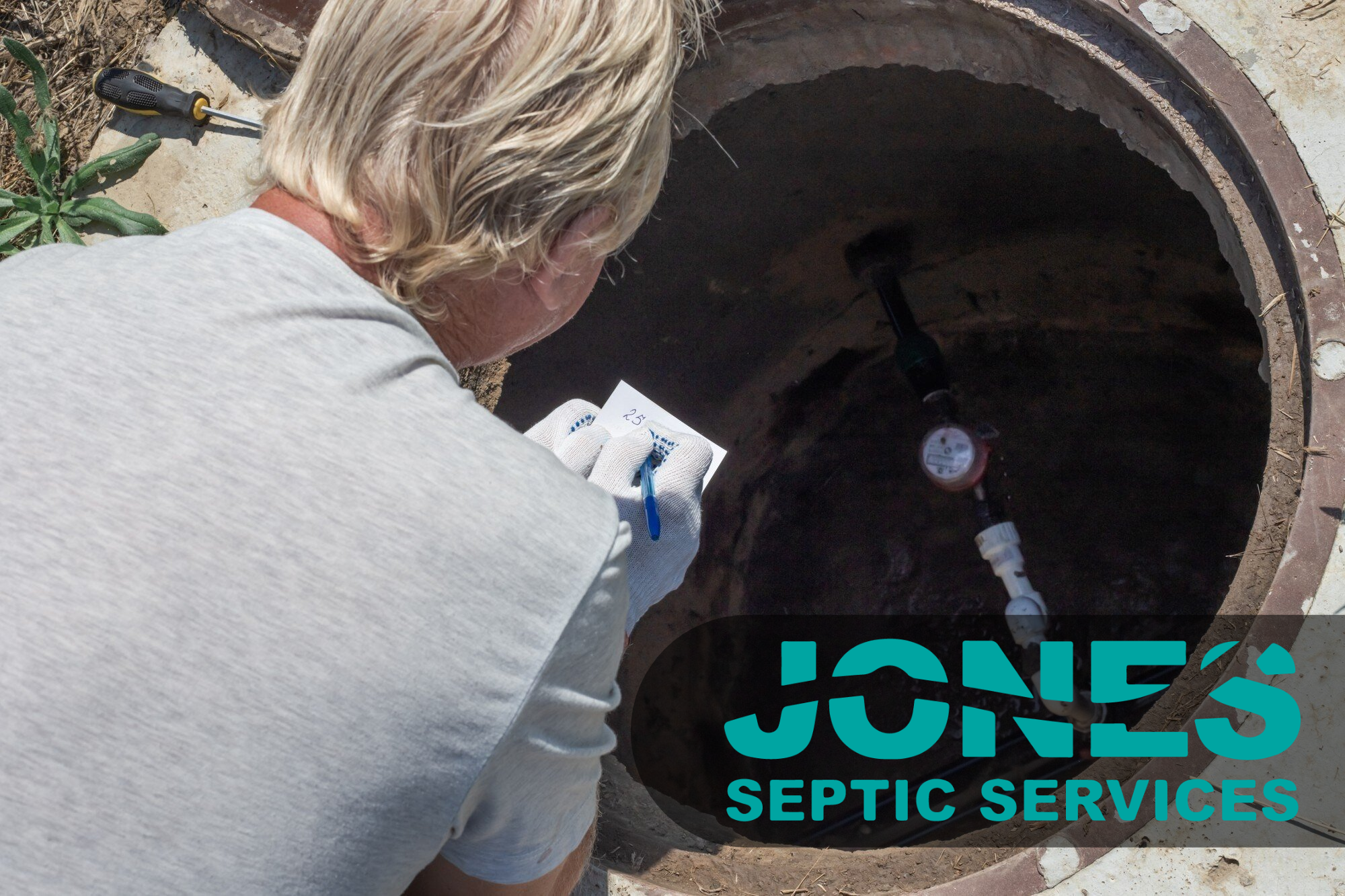
How We Help Protect Your System
At Jones Septic Service, we’re more than just a pumping company, we’re your long-term partners in septic system health. Serving the entire Dutchess County region, we offer a comprehensive suite of services designed to keep your system running efficiently, safely, and in compliance with local regulations. Our expert technicians are trained to handle everything from routine maintenance to complex repairs with professionalism and precision.
Here’s how we help protect your system and your property:
- Septic tank pumping removes accumulated solids, such as sludge and scum, that naturally build up over time. Without regular pumping, these solids can displace usable tank volume, forcing untreated waste into the drain field and causing backups, foul odors, and even system failure. Routine pumping is one of the most cost-effective ways to protect your septic investment, maintain flow efficiency, and avoid emergency repairs.
- Septic tank cleaning goes beyond routine pumping by thoroughly removing stubborn buildup, compacted sludge, and residual scum that pumping alone may leave behind. This deep cleaning prevents pipe blockages, restores healthy bacterial balance, and eliminates persistent odors, ensuring your system continues to process waste efficiently. It’s especially important for older systems or those impacted by excessive chemical use or long periods without maintenance..
- Inspections catch issues early, whether during property sales, remodeling projects, or scheduled routine checkups. Our thorough assessments include tank level measurements, visual checks for cracks or corrosion, lid integrity, and drain field performance evaluations. By identifying warning signs like slow absorption, structural damage, or chemical imbalances before they escalate, we help you avoid major failures, health risks, and costly surprises down the line.
- Installations ensure your septic system is properly set up from the start. We handle every detail, from accurate tank sizing based on property usage to comprehensive soil testing that determines optimal placement and drain field capacity. Our installations are fully compliant with Dutchess County health codes and environmental regulations, ensuring long-term performance, safety, and peace of mind for homeowners and contractors alike.
- Repairs address a wide range of issues, such as cracked or deteriorating tanks, invasive root intrusion, damaged pipes, and saturated drain fields, before they escalate into major failures. Our technicians perform thorough diagnostics to locate the source of the problem and apply targeted, lasting solutions. Early intervention not only reduces repair costs but also protects surrounding structures and prevents contamination of nearby soil or groundwater.
In addition to these core services, we also offer a wide range of complementary solutions to meet the needs of both residential and commercial clients in Dutchess County:
- Drain field repairs and rejuvenation: When your drain field stops absorbing wastewater efficiently, we step in to diagnose and restore its performance. From compacted soil and biomat buildup to hydraulic overload and root intrusion, our team uses targeted methods to correct these issues, improving drainage, extending the life of the system, and preventing backups or surfacing effluent.
- Pipe snaking and clog removal: When drains slow down or backups occur, our pipe snaking services provide fast, effective relief. We use professional-grade equipment to remove blockages from your septic lines, preventing overflows and restoring normal flow without invasive digging. This service is ideal for resolving clogs caused by grease, roots, foreign objects, or buildup before they turn into more serious problems.
- Sewer and water line installations: Whether you’re upgrading an existing property, building a new home, or replacing outdated infrastructure, we install modern, durable sewer and water lines that meet all local codes and health regulations. Our experienced team handles excavation, pipe laying, and full system integration to ensure proper flow, minimal disruption, and long-term reliability for your property’s water and waste systems.
- Portable toilet rentals for events and job sites: We provide clean, durable, and professionally maintained portable restroom units ideal for construction sites, weddings, festivals, and other temporary needs. Whether you need a single unit for a weekend or multiple restrooms for a long-term project, our rental services include timely delivery, routine servicing, and pickup, ensuring comfort, hygiene, and convenience every step of the way.
These add-on services allow us to support your septic system from every angle, ensuring reliable performance, safety, and sanitation across your property.
Whether you’re dealing with a slow drain, planning a renovation, or building a new home, we have the experience, equipment, and local knowledge to get the job done right. Every system is different, and our tailored solutions ensure you’re not only fixing the problem at hand, but also setting up your system for long-term success.
If you’re unsure where your system stands, now is the perfect time to take action. Schedule your Dutchess County NY Septic Tank Inspection or book a full Dutchess County NY Septic Tank Cleaning to get ahead of potential problems. Our team is ready to deliver expert care with friendly service, and peace of mind that your septic system is in the best hands.
Local Focus: Dutchess County’s Unique Needs
Septic systems in Dutchess County aren’t one-size-fits-all. Our region’s diverse mix of soil compositions, from sandy loam to clay-heavy terrain, combined with varied property layouts and seasonal weather fluctuations, means that each system faces a unique set of conditions and stressors. Add in the region’s older housing stock in some areas and modern builds in others, and it’s clear that septic care here requires a tailored approach.
That’s why we never take shortcuts. Whether we’re conducting an inspection, performing a routine pump-out, or handling a complex drain field repair, we always factor in local elements such as:
- Soil permeability: This determines how quickly and effectively effluent can be absorbed and filtered through the soil in your drain field. In areas with poor permeability, such as those with heavy clay, water may back up or pool, increasing the risk of system overload or failure. Conversely, overly sandy soils may allow contaminants to travel too quickly, reducing filtration efficiency and potentially affecting groundwater quality.
- Slope and drainage: The natural contours of your property influence how water flows around and away from your septic system. Poor drainage or improper grading can cause surface water to collect near the tank or drain field, leading to soil oversaturation. This not only hampers the system’s ability to absorb effluent but can also cause premature wear or contamination of surrounding areas. Proper slope design is essential for preventing runoff from overwhelming your system
- Seasonal freezing and thawing: Our cold Northeast winters bring freeze-thaw cycles that can put significant stress on septic system components. As temperatures fluctuate, the ground expands and contracts, which can crack or shift underground pipes, damage tank lids, and cause blockages due to frozen lines. Systems that aren’t buried deep enough or lack proper insulation are especially vulnerable. Addressing these risks proactively helps maintain functionality year-round and avoids costly cold-weather emergencies.
- Property size and system age: Larger homes or commercial properties generate more wastewater, which means septic systems need to be appropriately sized and serviced more frequently. Older systems, especially those installed decades ago, may not meet current codes or capacity demands. Aging tanks, deteriorating pipes, or outdated drain field designs can increase the risk of failure. Knowing the age and limitations of your system helps us recommend upgrades or maintenance schedules tailored to your specific usage and site conditions.
At Jones Septic Service, our deep knowledge of the Dutchess County landscape helps us deliver solutions that are not only effective but also long-lasting. We understand the local regulations, health codes, and environmental considerations, and we design every service around your property’s specific needs.
Trustworthy Guidance Backed by Experts
We believe in empowering our customers with accurate, science-backed information. A well-informed homeowner or property manager is better equipped to make decisions that protect both their investment and the environment. That’s why we recommend turning to reputable, expert resources when you want to dive deeper into septic system care, regulations, and innovations.
Here are a few excellent sources for further learning:
- EPA’s SepticSmart Program: A comprehensive guide from the U.S. Environmental Protection Agency covering best practices for maintaining your septic system, reducing pollution, and protecting public health.
- New York State Department of Health – Septic System Guidelines: State-specific information, regulations, and design standards for septic systems across New York, including Dutchess County.
- CDC – Onsite Wastewater Treatment Systems: Insight from the Centers for Disease Control and Prevention on the role of onsite wastewater systems in protecting community health.
These trusted resources complement the hands-on knowledge and experience we bring to every job. Whether you’re new to septic systems or looking to fine-tune your maintenance routine, staying educated is one of the best ways to keep your system, and your property, in excellent shape.
Let’s Talk
Wondering whether your tank is due for a pump-out? Let’s talk. We’re always here to help you make informed, confident decisions about your septic system. Whether you’ve noticed slow drains, unusual odors, or just want peace of mind, our team at Jones Septic Service is ready to assess your property’s unique needs and recommend the right solution.
We take pride in offering honest, expert advice with no pressure, just trustworthy service backed by decades of experience in Dutchess County. From quick checkups to complete system overhauls, we’re committed to helping you avoid problems before they turn into costly repairs.
Schedule your Dutchess County NY Septic Tank Inspection today or contact us for expert Dutchess County NY Septic Tank Pumping and Cleaning. Let’s protect your property and your peace of mind, together.
