How Seasonal Changes Directly Affect Septic Systems in Dutchess County
Living and working in Dutchess County means dealing with four very distinct seasons. While most homeowners and commercial property owners prepare for seasonal changes above ground, septic systems are often overlooked until something goes wrong. Underground, however, your septic system is constantly reacting to temperature shifts, soil conditions, groundwater levels, and usage patterns.
Each season introduces different forms of stress. Freezing winter temperatures can restrict drainage and conceal developing issues, while spring thaw increases groundwater pressure and soil saturation. Summer brings heavier water usage and sudden storms, and fall introduces leaf debris and changing moisture levels that affect soil absorption. These shifting conditions directly influence how efficiently wastewater moves through the system and how well components hold up over time.
We see firsthand how seasonal stress can accelerate wear on septic tanks, drain fields, sewer lines, and water pipes. Minor issues that develop in one season can quickly worsen in the next if they aren’t identified and addressed early.
Understanding how each season impacts your system allows you to plan maintenance proactively, avoid emergencies, and extend the lifespan of your investment. Seasonal service helps stabilize performance, protect surrounding property, and reduce long-term repair costs.
For both residential and commercial properties, seasonal awareness isn’t just helpful, it’s essential.
Why Septic Systems Are Sensitive to Weather and Soil Conditions
Septic systems rely on a carefully balanced interaction between mechanical components, natural biological processes, and surrounding soil. When any of these elements are disrupted by environmental changes, system performance can quickly decline, often without visible warning signs above ground.
How a Septic System Works (In Simple Terms)
A septic system treats wastewater from your home or business on-site. Wastewater flows from the building into a septic tank, where solids settle and break down. Liquids then move into the drain field, where soil naturally filters and treats the water.
This process depends heavily on:
- Stable soil structure, which allows effluent to disperse evenly without pooling or runoff
- Proper drainage, ensuring wastewater moves through the system at a controlled rate
- Consistent bacterial activity, necessary for breaking down organic waste inside the tank
- Intact pipes and tank components, which keep wastewater contained and flowing correctly
Seasonal changes disrupt these conditions in different ways, especially in areas like Dutchess County with clay soils, freeze-thaw cycles, and fluctuating groundwater levels. When soil expands or contracts, groundwater rises or falls, or temperatures swing dramatically, the system’s ability to treat wastewater efficiently can be compromised, making seasonal maintenance and monitoring essential for long-term reliability.
Spring: Saturated Soil and System Overload Risks
Spring is one of the most demanding seasons for septic systems in our area.
Snowmelt and Heavy Rainfall
As snow melts and spring rain increases, the ground becomes saturated. When soil around your drain field is waterlogged, it can’t absorb effluent efficiently. This causes wastewater to back up or pool near the surface.
Common springtime septic issues include:
- Slow drains inside the property
- Sewage odors outdoors
- Standing water near the drain field
- Gurgling sounds in plumbing
This is often when homeowners realize they’re overdue for Dutchess County NY Septic Tank Pumping. Pumping removes excess solids that reduce the system’s capacity during high-moisture periods.
How Spring Impacts Commercial Properties
Commercial systems face even greater strain in spring due to:
- Higher daily water usage
- Larger drain fields exposed to soil saturation
- Increased risk of regulatory violations
Routine maintenance and inspections are critical to keep operations uninterrupted.
Summer: Increased Usage and Hidden Stress
Summer is deceptively hard on septic systems. While conditions may appear stable above ground, higher demand and changing soil behavior below the surface can quietly compromise system performance.
Higher Water Usage
Between guests, outdoor activities, irrigation, and cooling systems, summer water use often spikes. For commercial properties, peak season traffic can double or triple daily flow. This sudden increase places added pressure on tanks, pipes, and drain fields that were designed for more consistent usage patterns.
Excessive water entering the system can:
- Push solids into the drain field, where they clog soil and reduce absorption
- Reduce treatment time in the tank, limiting proper separation and breakdown
- Accelerate drain field failure, leading to long-term performance issues
Scheduling Dutchess County NY Septic Tank Cleaning during or before summer helps maintain proper separation of solids and liquids. Proactive service ensures the system can handle higher demand without compromising treatment efficiency.
Dry Soil Isn’t Always a Good Thing
Extended dry periods can cause soil shrinkage. When soil pulls away from pipes or tanks, it increases the risk of:
- Pipe misalignment, disrupting proper flow
- Cracked joints, allowing leaks or root access
- Root intrusion, as vegetation seeks moisture inside pipes
These issues often go unnoticed until fall rains expose the damage. Seasonal inspections and maintenance help identify vulnerabilities early, preventing small summer stresses from becoming major fall or winter repairs.
Fall: The Ideal Season for Preventive Maintenance
Fall offers some of the best conditions for septic service. Cooler temperatures, reduced groundwater pressure, and predictable weather make this season especially effective for thorough evaluations and proactive system care.
Stable Soil Conditions
With moderate moisture and temperatures, fall is ideal for:
- Inspections, allowing accurate assessment of tanks, baffles, filters, and drain fields
- Repairs, since soil stability reduces the risk of collapse or misalignment during excavation
- New installations, ensuring components are set under conditions that support long-term performance
This is why many property transactions rely on Dutchess County NY Septic Tank Inspection during this season. Inspections help identify minor issues before winter freeze makes repairs more complicated, more expensive, or temporarily impossible.
Preparing for Winter Stress
Fall maintenance allows us to:
- Check tank levels, ensuring adequate capacity before reduced winter biological activity
- Assess drain field performance, confirming proper absorption ahead of snowmelt and freeze conditions
- Locate and mark system components, improving access when ground becomes frozen or snow-covered
- Identify vulnerable pipes, including shallow lines or areas prone to freezing
This preparation significantly reduces the risk of winter emergencies. Addressing vulnerabilities in fall helps systems enter winter in a stable, protected condition—minimizing disruptions when access and repair options are most limited.
Winter: Freeze-Thaw Cycles and Structural Damage
Winter is when neglected systems often fail. Cold temperatures, limited access, and frozen ground create the perfect conditions for minor issues to turn into sudden, disruptive emergencies. Many problems that develop gradually in other seasons reach a breaking point during winter.
Frozen Pipes and Tanks
When snow cover is minimal, frost penetrates deeper into the soil. Shallow pipes, improperly insulated tanks, or compacted soil can freeze, leading to:
- Blockages, as ice restricts or completely stops wastewater flow
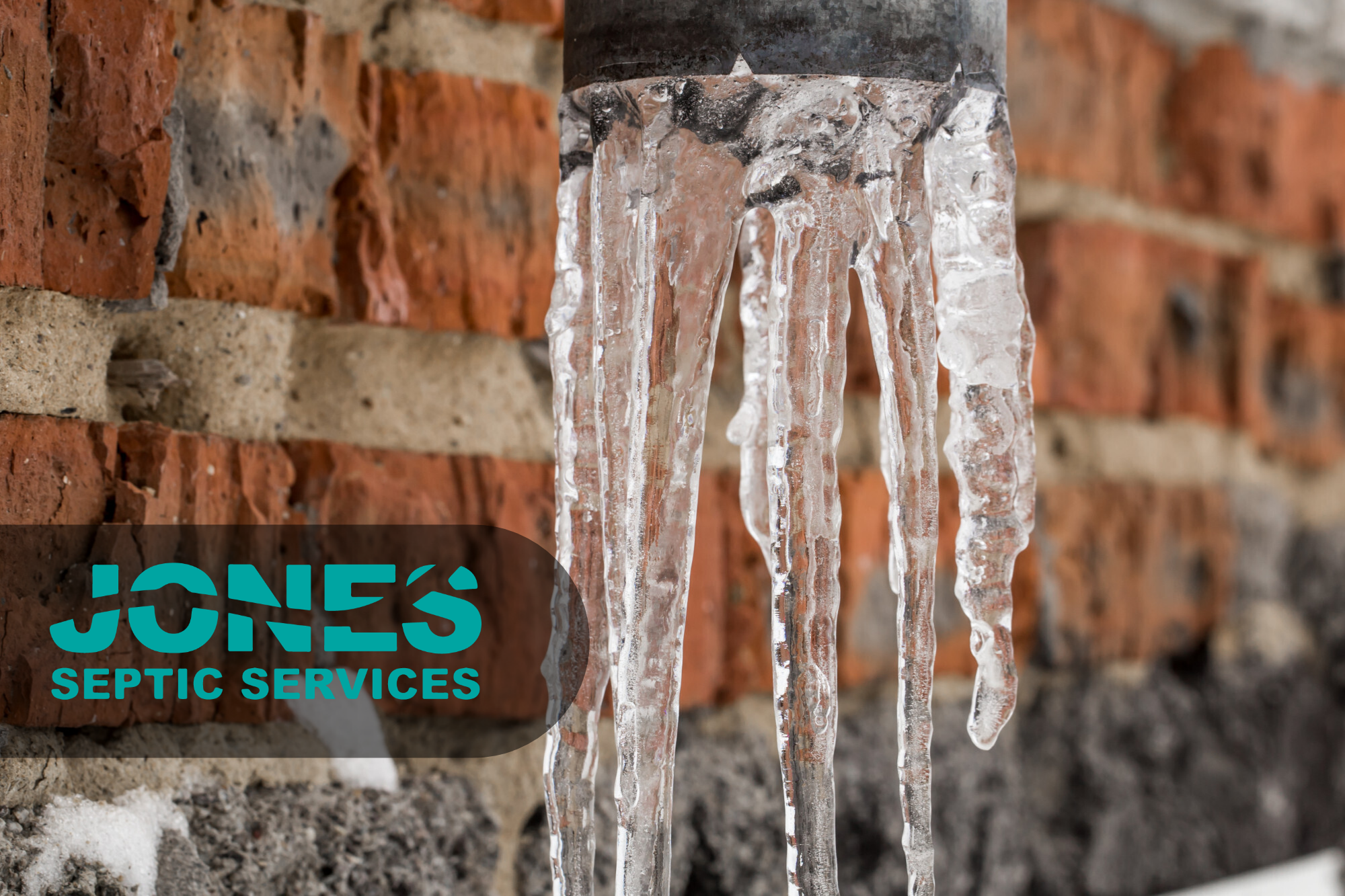
- Cracked pipes, caused by expanding ice inside the line
- Complete system shutdown, leaving homes or businesses without functioning plumbing
Freeze-related damage often happens without warning and may not become visible until backups or odors appear indoors. Preventive measures include maintaining consistent water use and ensuring the system is properly serviced before freezing temperatures arrive. Fall pumping and inspections help reduce liquid levels and identify vulnerabilities before winter stress sets in.
Emergency Situations We See in Winter
Many winter calls involve sudden backups caused by:
- Frozen sewer lines, preventing wastewater from moving away from the building
- Collapsed pipes, weakened by soil movement and freeze-thaw pressure
- Structural damage from freeze-thaw cycles, which can shift tanks, joints, and drain lines
At this point, Dutchess County Septic Tank Repair becomes urgent rather than optional. Winter emergencies are often more complex and costly due to limited access and harsh conditions, reinforcing why proactive seasonal maintenance is critical long before temperatures drop.
Seasonal Warning Signs You Should Never Ignore
Regardless of the season, certain symptoms indicate your septic system needs attention. These warning signs often appear when seasonal stress, system overload, or hidden damage begins to interfere with normal operation. Ignoring them can allow minor issues to escalate into costly repairs or full system failure.
Common Red Flags
- Slow-draining sinks or toilets, which may signal blockages, sludge buildup, or restricted flow within the system
- Sewage odors indoors or outdoors, often caused by backups, leaks, or a tank nearing capacity
- Unusually green grass near the drain field, indicating excess moisture or leaking wastewater below the surface
- Standing water or muddy areas, suggesting drain field saturation or compromised soil absorption
- Plumbing backups, a clear sign that wastewater cannot move through the system as designed
Seasonal conditions can make these issues appear suddenly or worsen quickly, especially after heavy rain, snowmelt, or periods of increased water use.
If your system shows signs of wear, it might be time for an inspection. Early evaluation allows professionals to identify the root cause, recommend appropriate service, and restore proper function before the problem becomes more disruptive or expensive to resolve.
Septic Tank Locating & Pumping: Why Timing Matters
Accurate tank location and properly timed pumping are foundational to effective septic system maintenance. Without knowing exactly where the tank is located—or servicing it at the right time—routine maintenance becomes less efficient and the risk of damage or missed issues increases.
Locating the Tank Accurately
Many older properties lack clear records of septic system placement. Locating the tank ensures:
- Proper access for pumping, allowing service crews to work efficiently without unnecessary digging
- Avoidance of landscaping or structural damage, protecting lawns, driveways, patios, and nearby structures
- Accurate inspections and repairs, since components can be fully evaluated when access points are correctly identified
This is especially important before winter or property sales. Frozen ground limits access, and real estate transactions often require documented inspections and verified system locations.
Seasonal Pumping Considerations
Regular pumping schedules vary based on:
- Tank size, which determines how much wastewater and solids the system can hold
- Household or facility usage, including occupancy levels and daily water demand
- Time of year, as seasonal conditions affect system performance and access
Spring and fall are often ideal windows for pumping to prevent seasonal overloads. Scheduling service during these periods helps maintain proper capacity, protect the drain field, and ensure the system is prepared for both high-use summer months and challenging winter conditions.
Drain Field Repairs & Installations Across Changing Seasons
Drain fields are one of the most critical, and most vulnerable, components of any septic system. Because they rely entirely on surrounding soil to absorb and treat wastewater, seasonal changes can significantly affect their performance, stability, and lifespan.
How Drain Fields Fail Seasonally
Drain fields are vulnerable to:
- Soil compaction from snow removal equipment, which reduces the soil’s ability to absorb and filter wastewater
- Saturation from spring rains, increasing the risk of pooling, backups, and surface discharge
- Damage from root growth during summer, as trees and shrubs seek moisture and infiltrate drain field lines
These seasonal pressures often build gradually, making problems easy to miss until performance is already compromised. Seasonal assessments allow us to determine whether repairs or full replacements are necessary. Early evaluation helps avoid unnecessary disruption and ensures the most cost-effective solution is selected.
Installing New Systems at the Right Time
For properties requiring Dutchess County NY Septic Tank Installation, timing is critical. Installing a new system under favorable conditions helps ensure proper soil integration, accurate grading, and long-term reliability.
Fall and early spring installations often offer:
- Better soil conditions, allowing for proper absorption and compaction without excessive moisture or freezing
- Fewer weather delays, keeping projects on schedule and reducing unexpected costs
- Improved system longevity, as components are installed under conditions that support optimal performance from day one
Careful seasonal planning for drain field repairs and new installations protects your investment, minimizes risk, and ensures dependable wastewater treatment for years to come.
Pipe Snaking & Cleaning: Seasonal Blockage Prevention
Seasonal changes play a major role in how debris, grease, and residue move through plumbing systems. Temperature fluctuations, increased water usage, and organic material entering drain lines all contribute to a higher risk of blockages at certain times of the year.
Why Blockages Increase Seasonally
Seasonal debris, grease buildup, and temperature changes contribute to pipe blockages. Pipe snaking and cleaning remove:
- Grease accumulation, which hardens in cooler temperatures and restricts flow
- Root intrusion, as tree roots seek moisture and enter small cracks in underground pipes
- Mineral buildup, caused by sediment and hard water deposits that narrow pipe diameter over time
Routine cleaning helps maintain consistent flow year-round. Incorporating seasonal pipe snaking into regular maintenance reduces emergency calls, protects downstream septic and sewer components, and keeps wastewater moving efficiently regardless of weather conditions.
Sewer Repairs & Installations for Residential and Commercial Needs
Sewer systems are critical to daily operations for both homes and commercial facilities. Because they are buried underground and span long distances, sewer lines are especially vulnerable to environmental changes that occur throughout the year.
Seasonal Stress on Sewer Lines
Sewer lines experience similar weather-related stress as septic systems. Freeze-thaw cycles and soil movement can cause:
- Cracks, allowing wastewater to leak or roots to infiltrate the line
- Collapses, often resulting from weakened pipe walls or shifting soil
- Joint separation, which disrupts alignment and restricts proper flow
Seasonal ground movement can also accelerate deterioration in aging sewer infrastructure, particularly in areas with fluctuating groundwater levels or heavy clay soils.
Proactive sewer repairs reduce the likelihood of emergency disruptions during extreme weather. Addressing small defects early helps maintain system integrity, prevent backups, and ensure reliable wastewater transport for both residential and commercial properties year-round.
Water Repairs & Installations: An Overlooked Seasonal Risk
Water delivery systems are often considered separate from septic infrastructure, but in reality they are closely connected. When water lines leak or operate inefficiently, the added flow places unnecessary pressure on septic and sewer systems, often without obvious warning signs.
Why Water Lines Matter to Septic Health
Leaking water lines increase unnecessary flow into septic systems, especially during winter freezes and spring thaws. Temperature changes can cause pipes to expand, contract, or crack, allowing clean water to enter the system continuously.
Addressing water repairs helps:
- Reduce system overload, allowing wastewater to remain in the tank long enough for proper treatment
- Prevent soil saturation, protecting drain fields from becoming overwhelmed
- Extend system lifespan, minimizing stress on tanks, pipes, and absorption areas
Seasonal inspections are especially effective at identifying small leaks before they escalate. By including water repairs and installations as part of a seasonal maintenance strategy, property owners can protect septic performance, lower utility costs, and avoid premature system failure.
Portable Toilet Rentals and Seasonal Demand
Temporary increases in site activity can quickly overwhelm permanent restroom facilities. Seasonal shifts often bring higher occupancy, outdoor work, and event-based usage that existing septic or sewer systems aren’t designed to handle on their own.
Meeting Temporary and Seasonal Needs
Seasonal events, construction projects, and outdoor gatherings often require portable sanitation. Portable toilet rentals help:
- Reduce strain on existing septic systems, preventing overloads and backups
- Maintain hygiene during peak usage, ensuring clean and accessible facilities for workers and guests
- Comply with local regulations, meeting health and safety requirements for temporary sites
This is especially beneficial during summer and fall events. Incorporating portable toilet rentals into seasonal planning helps property owners, contractors, and event organizers manage sanitation responsibly while protecting long-term wastewater infrastructure.
Seasonal Septic Care for Commercial Properties
Commercial systems require a different level of planning. Higher usage volumes, regulatory oversight, and operational continuity all place added pressure on septic and sewer infrastructure serving businesses, multi-unit properties, and public facilities.
Why Commercial Systems Face Higher Risk
Commercial systems face greater demands due to:
- Greater daily usage, with consistent flow from employees, customers, or tenants
- Larger drain fields, which require careful monitoring to ensure even distribution and proper absorption
- More stringent health regulations, increasing the consequences of system failure or non-compliance
Seasonal changes can amplify these risks, especially during periods of peak activity or challenging weather conditions.
Seasonal maintenance schedules help avoid costly shutdowns and compliance issues. Proactive service ensures reliable operation, protects public health, and supports uninterrupted business operations throughout the year.
How Routine Maintenance Protects Long-Term System Health
Septic systems are designed to function reliably for decades, but only when they receive consistent care. Routine maintenance reduces uncertainty by replacing reactive repairs with planned, informed service that keeps every component operating as intended.
Preventive Care Benefits
Routine septic care helps:
- Identify small issues early, before they escalate into major failures
- Reduce emergency repairs, minimizing unexpected costs and disruptions
- Extend system lifespan, protecting tanks, drain fields, and connected infrastructure
- Protect surrounding property, preventing soil contamination, odors, and surface damage
Seasonal maintenance also creates a record of system performance over time, making it easier to anticipate future needs and budget accordingly.
We’re always available to assess your property’s septic needs and help you plan seasonally. Proactive care today ensures dependable performance, regulatory compliance, and peace of mind for years to come.
Understanding Local Regulations and Best Practices
Following state and federal guidelines ensures safe operation and environmental protection. Septic systems play a direct role in public health and groundwater quality, which is why proper design, maintenance, and documentation are regulated at multiple levels.
Resources like the EPA SepticSmart Program, the New York State Department of Health, and the Centers for Disease Control and Prevention provide valuable guidance for homeowners and businesses alike. These organizations outline best practices for routine maintenance, inspection intervals, system upgrades, and responsible water usage.
Local regulations may also dictate inspection requirements during property sales, standards for commercial systems, and response protocols for system failures. Staying informed and working with knowledgeable professionals helps ensure compliance, reduce liability, and protect surrounding properties and natural resources.
Understanding and following these guidelines isn’t just about meeting requirements, it’s about maintaining a safe, reliable septic system that performs effectively for the long term.
Planning Ahead Makes All the Difference
Seasonal septic care isn’t about reacting to problems, it’s about preventing them. Proactive planning allows small, manageable issues to be addressed before they turn into emergencies that disrupt daily life, business operations, or property transactions.
Whether you’re a homeowner, commercial property manager, contractor, or real estate professional, understanding how seasonal changes affect your system helps you make informed decisions. Seasonal awareness supports better scheduling, more accurate inspections, and smarter long-term maintenance planning.
Wondering whether your tank is due for a pump-out? Let’s talk. Preparing today can save time, money, and stress tomorrow by ensuring your septic system is ready for whatever the next season brings.
