
A septic system is one of the most important, and most overlooked, systems on any property in Dutchess County. It operates quietly underground, treating wastewater from your sinks, showers, toilets, and appliances without drawing attention to itself. When everything works properly, you rarely think about it.
But when something goes wrong, the disruption can be immediate and expensive.
We have worked with homeowners, commercial property managers, contractors, and real estate professionals throughout the region. One thing remains consistent: proactive care always costs less than reactive repairs.
This comprehensive checklist is designed to help you understand how your system works, what to monitor throughout the year, and how to prevent issues before they escalate. Whether you own a single-family home or manage a larger property, this guide provides a practical, easy-to-follow framework for responsible septic care.
How Your Septic System Works (And Why That Matters)
Before diving into the checklist, it helps to understand the basic components.
The Septic Tank
Your septic tank is a buried, watertight container. Wastewater flows into it from the home. Inside the tank:
- Solids settle to the bottom (sludge)
- Oils and grease float to the top (scum)
- Partially treated liquid (effluent) flows out to the drain field
Think of the tank as a separation chamber. It doesn’t eliminate waste, it organizes it so natural bacteria can begin breaking it down.
The Drain Field
The drain field is a network of perforated pipes buried in soil. Effluent slowly disperses through the soil, where naturally occurring microbes filter and treat contaminants.
According to the EPA SepticSmart Program, soil plays a vital role in removing harmful pathogens and nutrients before wastewater reaches groundwater.
Understanding this process helps explain why maintenance is so important. If sludge overflows into the drain field, the soil can become clogged, leading to failure.
Your Annual Septic Care Checklist
Below is a structured, homeowner-friendly checklist to help you protect your system year-round.
Schedule Routine Pumping
Why Pumping Matters
Over time, solids accumulate in the tank. Even healthy bacterial activity cannot eliminate sludge completely. Without periodic removal, solids can escape into the drain field.
Routine Dutchess County NY Septic Tank Pumping removes accumulated waste and restores tank capacity.
Most residential systems require pumping every three to five years. However, frequency depends on:
- Household size
- Water usage
- Tank capacity
- Garbage disposal usage
Wondering whether your tank is due for a pump-out? Let’s talk.
Maintain Proper Cleaning Intervals
Pumping removes solids, but thorough Dutchess County NY Septic Tank Cleaning ensures internal components remain clear of buildup.
Cleaning includes:
- Removing sludge and scum layers
- Inspecting baffles (internal partitions controlling flow)
- Checking structural integrity
The New York State Department of Health – Septic System Guidelines recommend regular maintenance to prevent groundwater contamination.
Skipping cleaning may not cause immediate problems, but it increases long-term risk.
Schedule Regular Inspections
A Dutchess County NY Septic Tank Inspection evaluates overall system health.
During an inspection, we assess:
- Sludge levels
- Tank condition
- Baffle performance
- Drain field absorption
- Signs of hydraulic overload
Hydraulic overload occurs when too much water enters the system too quickly, overwhelming its ability to treat wastewater.
Inspections are especially important:
- Before buying or selling property
- After heavy storms
- If you notice slow drains
- If odors develop
If your system shows signs of wear, it might be time for an inspection.

Monitor Water Usage
Managing water usage is one of the most effective ways to protect your septic system. Every drop that goes down a drain enters the tank and must be processed before moving to the drain field. When too much water flows into the system too quickly, it can cause hydraulic overload. Hydraulic overload simply means the system is receiving more liquid than it was designed to handle, reducing its ability to properly separate solids and treat wastewater.
Simple habits make a measurable difference. Spacing out laundry loads throughout the week instead of washing multiple loads in one day reduces sudden surges. Fixing dripping faucets and running toilets prevents continuous, unnecessary flow into the tank. Installing high-efficiency showerheads and toilets also lowers daily volume.
Water Repairs & Installations can help identify hidden leaks inside walls or underground that may be placing constant stress on your system. Even small leaks add up over time.
When water use remains balanced, solids settle properly, and the drain field has time to absorb effluent gradually. Monitoring consumption is not about limiting comfort; it is about protecting system longevity and preventing premature wear that can lead to costly intervention.
Protect the Drain Field
Your drain field is where final wastewater treatment occurs. After liquid effluent leaves the septic tank, it flows into perforated pipes buried in soil. The soil acts as a natural filter, removing bacteria and nutrients before water reenters the groundwater system. Because the drain field relies on uncompacted, oxygen-rich soil, protecting that area is critical.
Driving vehicles, placing heavy equipment, or building sheds over the drain field compresses soil. Compacted soil reduces pore space, which limits oxygen flow and slows natural filtration. Without adequate oxygen, beneficial bacteria cannot effectively break down contaminants. Over time, this can cause surface pooling or system backup.
Landscaping choices also matter. Deep-rooted trees and shrubs can invade underground pipes, creating blockages or cracks. Keeping root systems at a safe distance prevents structural damage. Directing roof gutters and surface runoff away from the drain field reduces oversaturation during heavy rain.
If signs of failure appear, Drain Field Repairs & Installations may restore proper drainage. However, proactive protection is far less disruptive than excavation. Treating the drain field as a protected zone helps maintain long-term system performance.
Be Careful What You Flush
Septic systems are designed to process human waste and toilet paper. Anything beyond that can disrupt internal balance. While some products are labeled “flushable” or “septic-safe,” many break down far more slowly than traditional toilet paper. Over time, these materials can accumulate inside the tank or clog connecting pipes.
Grease is another common issue. When poured down sinks, grease cools and solidifies, coating pipe walls and restricting flow. Harsh chemical cleaners can also disrupt the beneficial bacteria inside the tank. These bacteria play a vital role in breaking down organic waste. When bacterial activity is reduced, solids accumulate faster.
If improper flushing causes blockages, Pipe Snaking & Cleaning may clear the line. However, repeated clogs often signal ongoing disposal habits that need adjustment. Avoid flushing wipes, paper towels, feminine hygiene products, medications, or excessive food waste.
Think of your septic system as a carefully balanced ecosystem. Introducing non-biodegradable or chemically harsh materials upsets that balance. Practicing mindful disposal habits protects internal components and reduces the likelihood of backups or premature system stress.
Address Plumbing Issues Quickly
Sewer lines connect your home to the septic tank. Cracks, root intrusion, or pipe sagging can disrupt flow.
Sewer Repairs & Installations resolve structural line issues before they affect the tank or drain field.
Warning signs include:
- Persistent slow drains
- Backups in lower-level fixtures
- Unusual gurgling sounds
Prompt attention prevents minor blockages from escalating into major system failures.
Plan for Aging Infrastructure
Septic systems do not last forever.
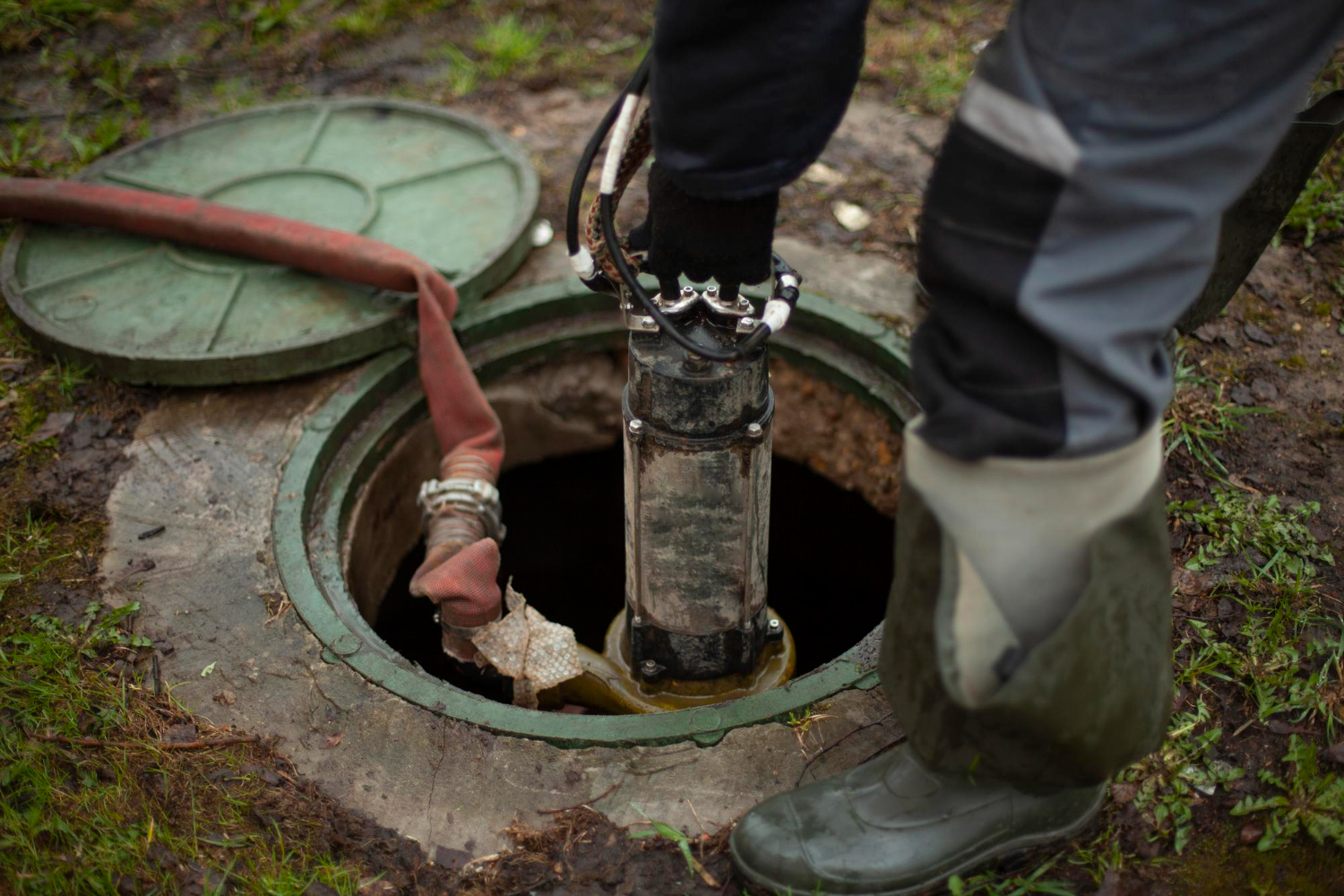
If your system is decades old, begin planning for eventual Dutchess County NY Septic Tank Installation.
Modern systems account for:
- Updated building codes
- Increased water usage
- Soil composition
- Environmental standards
The CDC – Onsite Wastewater Treatment emphasizes the importance of proper installation and ongoing oversight to reduce environmental risks.
Proactive planning allows homeowners to budget for replacement rather than react to emergencies.
Address Repairs Promptly
Minor septic issues rarely resolve on their own. A cracked lid, damaged baffle, or small tank leak may seem insignificant at first, but these components play essential roles in directing wastewater flow. Baffles, for example, are internal partitions that prevent solids from exiting the tank. When they deteriorate, sludge can enter the drain field and cause soil clogging.
Dutchess County Septic Tank Repair addresses structural problems before they escalate. Prompt repairs may include sealing small leaks, replacing damaged lids, or restoring internal components. Addressing these issues early prevents contamination and preserves overall system efficiency.
Ignoring small repairs increases long-term costs. Once solids reach the drain field, restoration becomes more complex and disruptive. Repairing a single damaged component is far less invasive than replacing an entire system.
If your system shows signs of wear, it might be time for an inspection. Timely intervention protects both infrastructure and surrounding property, reducing environmental and financial risk.
Consider Seasonal Maintenance
Seasonal changes affect septic performance.
Spring
- Inspect for saturation after snowmelt
- Check for standing water
- Confirm drain field remains clear
Summer
- Monitor water usage during gatherings
- Avoid overloading system
Fall
- Schedule inspections before winter
- Confirm tank access remains clear
Winter
- Avoid compacting frozen drain field soil
- Prevent plumbing line freezing
Adapting care routines to seasonal conditions improves system resilience.
Checklist for Commercial Property Owners
Commercial properties often generate higher wastewater volumes than residential homes. Restaurants, office buildings, and retail spaces may experience fluctuating occupancy, which places variable stress on septic systems. Because usage patterns differ, maintenance schedules must reflect operational demands.
Higher occupancy increases daily water flow. In food service environments, grease discharge requires careful management to prevent accumulation in pipes and tanks. More frequent inspections help ensure internal components remain functional under heavier loads.
Portable Toilet Rentals may provide temporary sanitation solutions during system upgrades or large-scale events. This prevents service interruptions while maintenance is completed.
Commercial property owners should maintain clear documentation of pumping schedules, inspections, and repairs. Regular Septic System Inspections verify that the system can safely handle operational volume.
Proactive oversight reduces the risk of unexpected downtime that could affect tenants, customers, or regulatory compliance. Structured maintenance planning supports business continuity and long-term infrastructure reliability.
Signs You Should Never Ignore
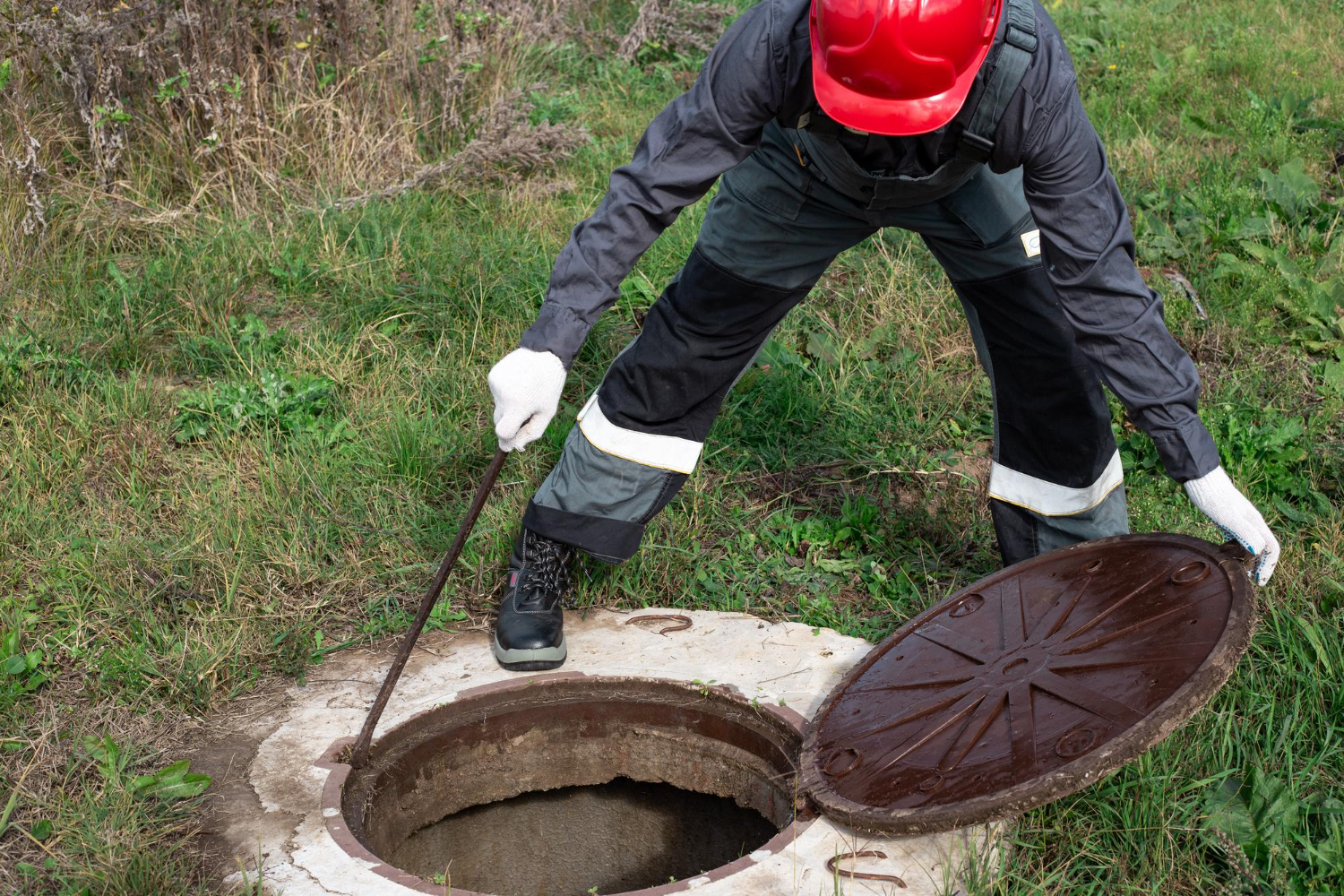
Watch for:
- Sewage odors indoors or outdoors
- Wet patches in the yard
- Slow-draining fixtures
- Frequent backups
- Lush grass over drain field
These indicators suggest system stress.
We’re always available to assess your property’s septic needs.
Environmental Responsibility
Septic care extends beyond individual property boundaries.
Failing systems can contaminate groundwater and nearby waterways.
The EPA SepticSmart Program emphasizes that responsible maintenance protects community health.
Routine inspections and pumping reduce the risk of nutrient pollution, which can harm ecosystems.
Responsible ownership supports both environmental protection and neighborhood stability.
Long-Term Cost Protection
Septic systems represent long-term infrastructure investments. Routine maintenance creates predictable, manageable costs. Emergency reconstruction introduces financial uncertainty. Excavation, soil replacement, and landscape restoration significantly increase overall expense.
Preventive services such as Septic Tank Locating & Pumping help maintain tank capacity and protect the drain field from contamination. Regular inspections identify early-stage concerns before they require large-scale intervention.
When neglect allows solids to overflow into the drain field, restoration becomes more complex. In severe cases, full system replacement may be necessary. These projects often involve heavy equipment, temporary sanitation arrangements, and site rehabilitation.
By maintaining a structured care plan, homeowners reduce the likelihood of sudden financial strain. Long-term cost protection is not about eliminating expenses; it is about controlling them through informed, proactive decision-making. Responsible septic care preserves both property stability and peace of mind.
Final Homeowner Checklist Summary
To protect your system:
- Schedule pumping every 3–5 years
- Maintain regular cleaning intervals
- Conduct periodic inspections
- Monitor water use
- Protect the drain field
- Avoid improper flushing
- Address plumbing concerns quickly
- Plan for aging infrastructure
- Document all service history
These steps reduce risk, protect property value, and extend system lifespan.
Septic systems may operate underground, but informed ownership keeps them functioning reliably above ground.
If your system shows signs of wear, it might be time for an inspection.
Understanding your septic system empowers you to protect your investment, your health, and your environment for years to come.
