Why Septic Records Matter More Than Most Sellers Realize
Selling a home in Dutchess County involves a long checklist, disclosures, appraisals, inspections, title searches, and negotiations. For properties with private septic systems, there’s one item on that list that gets overlooked far more often than it should: the transfer of complete and accurate septic system maintenance records to the incoming buyer.
These records aren’t just paperwork. They’re the documented history of a critical piece of infrastructure, one that can cost tens of thousands of dollars to repair or replace if it fails. For a buyer, inheriting a system with no service history is like buying a used car with no maintenance records and no way to know whether the oil has ever been changed. For a seller, failing to provide that documentation can complicate the transaction, create post-sale liability, and, in competitive markets, cost real money at the negotiating table.
We’ve worked alongside homeowners, real estate agents, and attorneys across the Hudson Valley for over 70 years, and we understand what buyers look for, what lenders sometimes require, and what makes a septic-related real estate transaction go smoothly versus not. This guide walks through everything a seller needs to know about gathering, organizing, and transferring septic records, and what to do if those records are incomplete or missing entirely.
What Qualifies as a Septic Maintenance Record
More Than Just Pump-Out Receipts
When buyers, their agents, or lenders ask for septic records, they’re typically looking for a comprehensive picture of the system’s history, not just a receipt from the last pump-out. Understanding what that full picture looks like helps sellers know what to gather and what gaps they need to address.
A complete septic maintenance file typically includes:
- Original installation documentation — permits, as-built drawings (diagrams showing the exact location and dimensions of the tank, distribution box, and drain field), and inspection sign-offs from the time the system was installed
- Pump-out records — dates, service provider, volume pumped, and any observations about sludge or scum levels
- Cleaning records — documentation of any tank cleaning beyond standard pump-outs, including baffle inspection notes
- Inspection reports — written findings from professional septic inspections, including any recommendations made at the time
- Repair records — documentation of any work performed on the tank, pipes, baffles, or drain field, including the scope of work, materials used, and permits obtained
- Service provider contact information — the names and contact information of every company that has serviced the system
Each of these document types tells a different part of the system’s story. Together, they give a buyer and their inspectors the baseline they need to evaluate current condition against historical performance.
Why As-Built Drawings Are Particularly Valuable
The as-built drawing, sometimes called a system diagram or site plan, is often the most practically useful document in the septic file, and the one most commonly missing from older properties. It shows exactly where the tank is buried, where the drain field trenches run, what the setback distances are from the house, the well, and the property lines, and what the system’s rated capacity is in gallons per day.
Without this drawing, a service provider locating the tank for a pump-out has to probe the ground to find it, adding time and sometimes cost to the visit. A buyer who inherits a home without a system diagram doesn’t know where the drain field is, which means they can’t protect it from vehicle traffic, landscaping projects, or construction. This information has real practical value, and providing it as part of the sale is a meaningful gesture of good faith toward the buyer.
If the original as-built drawing has been lost, a Dutchess County NY Septic Tank Inspection can locate and document the system’s components, creating a current reference diagram that serves the same function for the incoming owner.
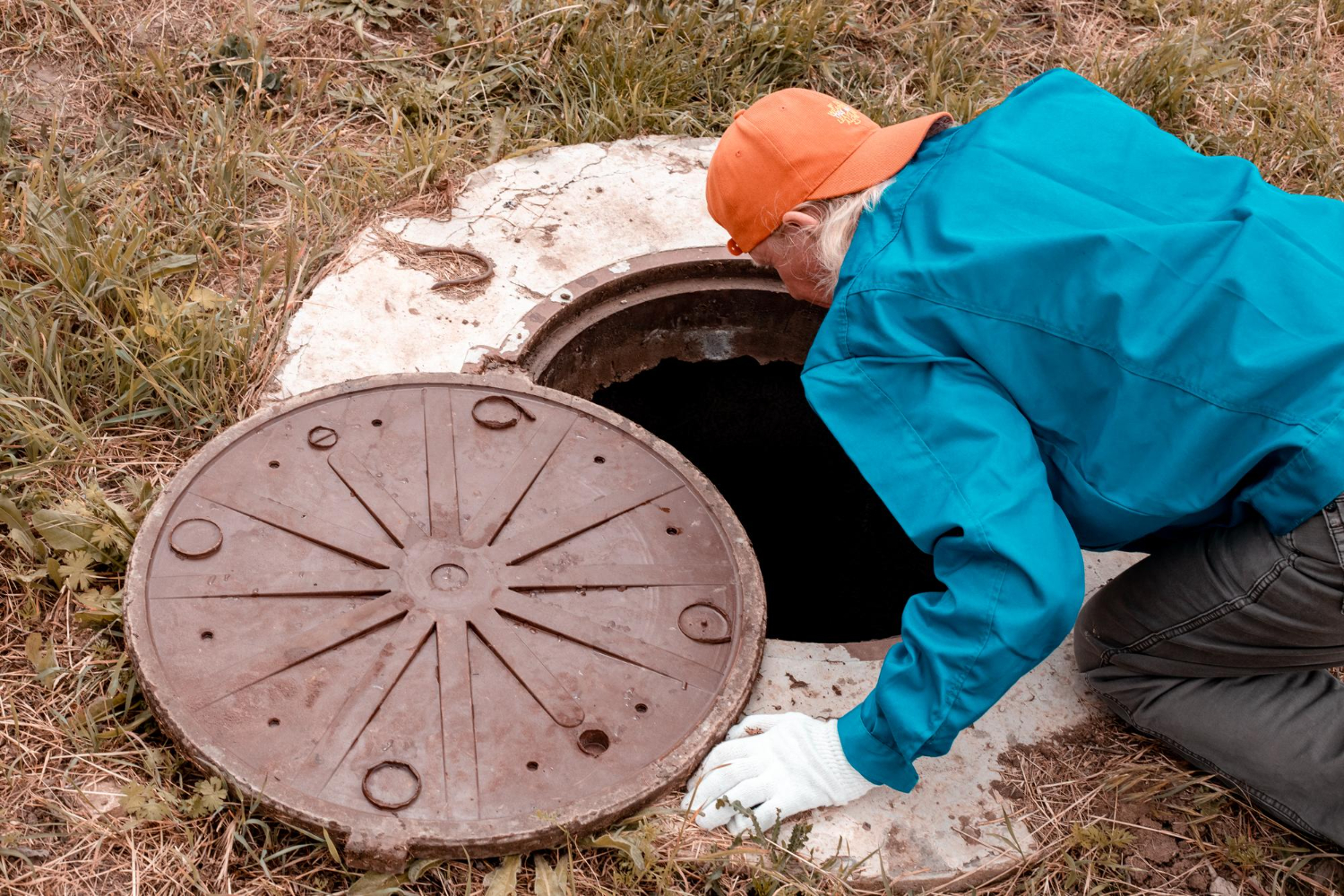
The Pre-Sale Inspection: Your Most Important Step
Why Sellers Should Inspect Before Listing
Many sellers wait for the buyer to request a septic inspection as part of their due diligence process. This is understandable, but it puts the seller in a reactive position. If the inspection uncovers a problem, the seller is negotiating under pressure, with a buyer who already has doubts and a transaction that may be at risk.
Ordering a professional inspection before listing the property gives the seller time and information. If the system is in good condition, the inspection report becomes a marketing asset, documented evidence that the septic system has been properly maintained and is currently functioning well. If the inspection identifies an issue, the seller can address it on their own timeline, with their own choice of service provider, and present it to buyers as a resolved item rather than an open question.
We’ve seen this approach transform septic-related negotiations across Dutchess County. Buyers are far more comfortable with a property when the seller can say “we had the system inspected and serviced six months ago, here’s the report” than when the system history is unknown and the inspection is happening simultaneously with the buyer’s anxiety about whether they’re making a good decision.
What a Pre-Sale Inspection Covers
A professional pre-sale inspection examines:
- Current sludge and scum levels inside the tank (indicating whether a pump-out is needed before or during the sale)
- Structural condition of the tank, cracks, deterioration, and integrity of the walls and floor
- Inlet and outlet baffle condition, these internal components are critical to proper system function and are frequently found deteriorated in older systems
- Pipe condition between the home and the tank, and between the tank and the drain field
- Drain field condition, evidence of saturation, surfacing effluent, or early-stage failure
- Overall system documentation, comparing current findings to any available historical records
The written report from this inspection becomes the foundation of the septic documentation package transferred to the buyer.
Gathering Records When Documentation Is Incomplete
The Reality Many Sellers Face
A significant number of homeowners selling properties in Dutchess County, particularly those who have owned their homes for many years, or who purchased without septic records themselves, find themselves with incomplete or entirely missing maintenance documentation. This is a common situation, and it’s more manageable than it initially appears.
The goal is not to manufacture records that don’t exist. It’s to reconstruct as complete a picture as possible from available sources, and to fill remaining gaps with current professional documentation.
Where to Look for Lost Records
Before assuming records are gone, it’s worth checking several sources:
- Previous service providers — many septic companies maintain service logs going back years or decades. Contacting providers who may have serviced the property, including companies that may have operated under different names, sometimes recovers pump-out and inspection records that the homeowner didn’t retain
- Dutchess County records — the county health department maintains permit records for septic installations and significant repairs. These records may include original permits, as-built drawings, and inspection sign-offs that establish the system’s installation history even if the homeowner never had copies
- Title company files — if the property was purchased with a septic inspection as a condition of the previous sale, records from that inspection may be recoverable through the title company or closing attorney
- Neighbors and prior owners — in some cases, neighbors or previous owners can provide context about the system’s history or point toward service providers who worked on the property
Even partial records are valuable. A pump-out record from five years ago, combined with a current inspection, gives a buyer more confidence than no documentation at all.
Building a Current Baseline When Records Don’t Exist
When historical records simply aren’t recoverable, the most practical approach is to build a current baseline, a documented snapshot of the system’s present condition that the buyer can use as a starting point for their own maintenance records.
This typically involves a professional inspection to assess current system condition, a pump-out to clear the tank and establish a known starting point, and documentation of the system’s location and components. Dutchess County NY Septic Tank Pumping as part of this baseline process resets the maintenance clock, so the buyer knows with certainty that the tank was pumped and assessed at a specific date, regardless of what happened before.
Dutchess County NY Septic Tank Cleaning in conjunction with the pump-out goes a step further, addressing residue accumulation inside the tank and providing a more thorough assessment of the internal components. This is particularly valuable for systems with unknown histories, where the condition of the baffles and tank interior hasn’t been documented in years.

What Buyers and Their Lenders Actually Look For
Buyer Expectations in Today’s Market
Buyers purchasing homes in Dutchess County, particularly those in rural and semi-rural communities like Rhinebeck, Millbrook, Pawling, Hyde Park, Red Hook, and Amenia, are increasingly informed about septic systems and increasingly likely to treat the system’s documented history as a meaningful part of their purchase decision.
Informed buyers want to know:
- When was the system last pumped, and what were the sludge levels?
- Has the system ever failed, backed up, or required emergency repair?
- Are there any known issues with the drain field?
- What is the system’s rated capacity, and does it match the property’s current use?
- Where is the system located, and has it been protected from vehicles and landscaping?
Sellers who can answer these questions with documentation are in a meaningfully stronger negotiating position than those who cannot. The absence of records raises legitimate questions that buyers have to resolve through their own inspection process, and the uncertainty that creates can translate into lower offers, additional contingencies, or lost transactions.
When Lenders Get Involved
For buyers financing the purchase with a conventional mortgage, the lender may require a satisfactory septic inspection as a condition of the loan, particularly for rural properties. FHA and USDA loans often have explicit requirements around septic system condition and documentation. A system with an unknown history or a recent inspection that identified concerns can complicate the financing process significantly.
Sellers who address the septic documentation proactively, before the lender’s requirements come into play, remove a potential obstacle from the financing process and demonstrate the kind of transparency that builds buyer confidence.
How to Organize and Transfer Records Effectively
Creating a Septic Documentation Package
The most practical approach to record transfer is assembling a dedicated septic documentation package, a single organized file that the buyer receives at or before closing. This file should be organized chronologically and include:
- A cover sheet summarizing the system: installation date (if known), tank capacity, drain field dimensions, rated bedroom capacity, and location description
- Original permits and as-built drawings, or a current system diagram if originals are unavailable
- All pump-out and cleaning records in chronological order
- All inspection reports, including any pre-sale inspection conducted by the seller
- All repair records, with permits where applicable
- Contact information for the service providers who know the system’s history
Physical copies of this file should be provided at closing. Digital copies, scanned documents provided electronically, are an appreciated addition that buyers can store easily and reference without risk of losing the physical file.
What to Tell the Buyer Directly
Beyond the written documentation, a brief verbal or written summary from the seller about the system’s practical management history is genuinely useful. Information like “we pump it every three years, the last service was in October 2023, and we’ve never had a backup or drain field issue” provides context that documentation alone sometimes doesn’t fully communicate.
If any repairs have been made, baffle replacement, pipe snaking and cleaning to address a blockage, any Dutchess County Septic Tank Repair work, explaining what was done, why, and how it resolved the issue gives the buyer the full picture rather than leaving them to interpret a repair record without context.

Specific Considerations for Dutchess County Properties
County Records and Permit Verification
The Dutchess County Department of Behavioral and Community Health maintains permit records for septic installations and significant modifications. Sellers who don’t have original installation documents may be able to obtain them, or at least verify what’s on file, by contacting the county directly. These records sometimes include as-built drawings, soil test results, and installation inspection sign-offs that are valuable additions to a buyer’s documentation package.
The New York State Department of Health sets the standards that govern residential septic systems across the state, and Dutchess County administers those standards locally. Understanding what documentation the county has on file is a useful step for any seller who wants to provide the most complete record possible.
Disclosure Requirements in New York State
New York State’s property disclosure requirements ask sellers to disclose known defects and material conditions affecting the property. A septic system that has experienced known failures, has ongoing issues, or has had unpermitted modifications falls squarely within the scope of required disclosure. Sellers who are uncertain about their disclosure obligations should consult their real estate attorney for guidance specific to their situation.
The EPA’s SepticSmart program emphasizes that septic system transparency, knowing the system’s history, condition, and maintenance needs, benefits buyers, sellers, and the broader community by ensuring that systems are properly managed through ownership transitions. A property that passes hands with complete septic documentation is a property set up for continued responsible stewardship.
Supporting the Buyer’s Transition to Ownership
Setting the New Owner Up for Success
The transfer of septic records isn’t just a transaction formality, it’s the handoff of institutional knowledge about a system that the new owner will depend on for years. The more complete and clearly organized that knowledge transfer is, the better positioned the buyer is to maintain the system properly from day one.
Useful information to communicate alongside the documentation:
- The recommended pump-out interval based on the system’s history and the household’s size
- Contact information for the service provider familiar with the system
- The location of the tank access lid and the drain field boundaries
- Any specific habits or practices that have supported system health (or any that were learned the hard way to avoid)
For buyers who are new to septic system ownership, those coming from municipal sewer service, this guidance is particularly valuable. Understanding that the system needs regular pumping, that certain products and materials shouldn’t enter it, and that early warning signs warrant prompt professional attention is the foundation of good septic ownership.
The CDC’s resources on onsite wastewater treatment provide educational context that new septic system owners often find genuinely helpful, covering how the system works, what maintenance it requires, and why proper management matters for both the property and the surrounding environment.
For Buyers Starting Fresh: What to Do First
If you’re the buyer in this transaction and the septic documentation you’ve received is incomplete, the right first step is a professional inspection to establish a current baseline, followed by a pump-out if the sludge levels warrant it. This gives you an independent assessment of what you’re working with and a documented starting point for your own maintenance records.
Dutchess County NY Septic Tank Installation is the conversation to have if the inspection reveals a system that’s significantly undersized for the property’s current use or has reached the end of its functional life. Understanding that situation before closing, or as soon as possible after, allows for informed decision-making rather than a reactive response when the system eventually fails.
We’re always available to assess your property’s septic needs, whether you’re preparing to sell, navigating a purchase, or simply trying to understand what you have. If your system shows signs of wear or its history is unclear, it might be time for an inspection. Wondering whether your tank is due for a pump-out before you list? Let’s talk, that’s exactly the kind of question we’re built to help you answer.
