A Question Worth Answering Honestly
It’s a fair question, and one we hear more often as homeowners across Dutchess County become increasingly thoughtful about their environmental footprint. The short answer is: a properly maintained septic system is not bad for the environment. In fact, when it’s functioning as designed, it can be a remarkably clean and efficient method of treating household wastewater right on the property where it’s generated.
The longer answer requires some nuance. A neglected, failing, or improperly installed septic system absolutely can cause environmental harm, to groundwater, to nearby wells, to streams and wetlands, and to the soil itself. The difference between a system that protects the environment and one that damages it comes down almost entirely to maintenance, installation quality, and how the system is used day to day.
We’ve been servicing septic systems across the Hudson Valley since 1950, and environmental stewardship has always been part of what responsible septic care means to us. This article is our honest attempt to address the environmental question clearly, what the risks are, where they come from, and what every property owner can do to make sure their system is part of the solution rather than the problem.
How a Healthy Septic System Actually Helps the Environment
Natural Treatment, On-Site
One of the genuinely underappreciated aspects of a private septic system is that it treats wastewater naturally, using biological processes that don’t require chemicals, energy-intensive treatment plants, or miles of municipal infrastructure.
When wastewater flows into the septic tank, naturally occurring bacteria break down organic solids. The clarified liquid, called effluent, flows to the drain field, where it percolates through the soil. That soil acts as a natural filter, removing pathogens, nitrogen compounds, and other contaminants before the water rejoins the groundwater supply.
Done correctly, this process returns clean, treated water to the local water table, actually recharging the groundwater that nearby wells and ecosystems depend on. In rural areas of Dutchess County, where properties rely on private wells, a functioning septic system is part of the local water cycle in a genuinely constructive way.
Decentralized Treatment Has Real Advantages
Municipal sewer systems, while effective, require significant energy to pump wastewater over long distances and to run centralized treatment facilities. They also involve large-scale infrastructure that concentrates treatment in one location rather than distributing it across the landscape.
Private septic systems treat wastewater close to where it’s generated, reducing the energy footprint of treatment and avoiding the infrastructure costs and environmental impacts of large centralized facilities. The EPA’s SepticSmart program acknowledges the environmental value of well-maintained decentralized wastewater systems, noting that they are a legitimate and often preferable alternative to centralized treatment in many settings.
Where Environmental Risk Actually Comes From
The Problem Is Always Failure, Not the System Itself
Every documented case of a septic system causing environmental harm traces back to one of three root causes: the system was failing because it was neglected, it was improperly installed, or it was used in ways that overwhelmed its capacity. The system itself, the concept of onsite wastewater treatment, is not the environmental threat. A compromised system is.
Understanding what goes wrong, and how, helps property owners recognize the environmental stakes of the maintenance decisions they make.
Groundwater Contamination
The most serious environmental consequence of a failing septic system is groundwater contamination. When a tank is overdue for pumping, sludge levels rise until solids begin flowing out with the effluent into the drain field. Those solids clog the soil pores in the drain field, preventing proper filtration. Partially treated or untreated wastewater then reaches the groundwater table, carrying pathogens, nitrates, phosphorus, and in some cases pharmaceutical compounds or household chemicals.
In Dutchess County, where a significant portion of rural residents rely on private wells for drinking water, groundwater contamination from a failing septic system is not a distant concern, it’s a real and local risk. The proximity of a septic system to a neighboring well, or to a property owner’s own well, determines how quickly and how seriously that contamination can affect drinking water quality.
The New York State Department of Health maintains specific setback requirements between septic systems and wells precisely because of this risk, and those requirements exist because contamination events have real public health consequences.
Nitrogen and Phosphorus Loading
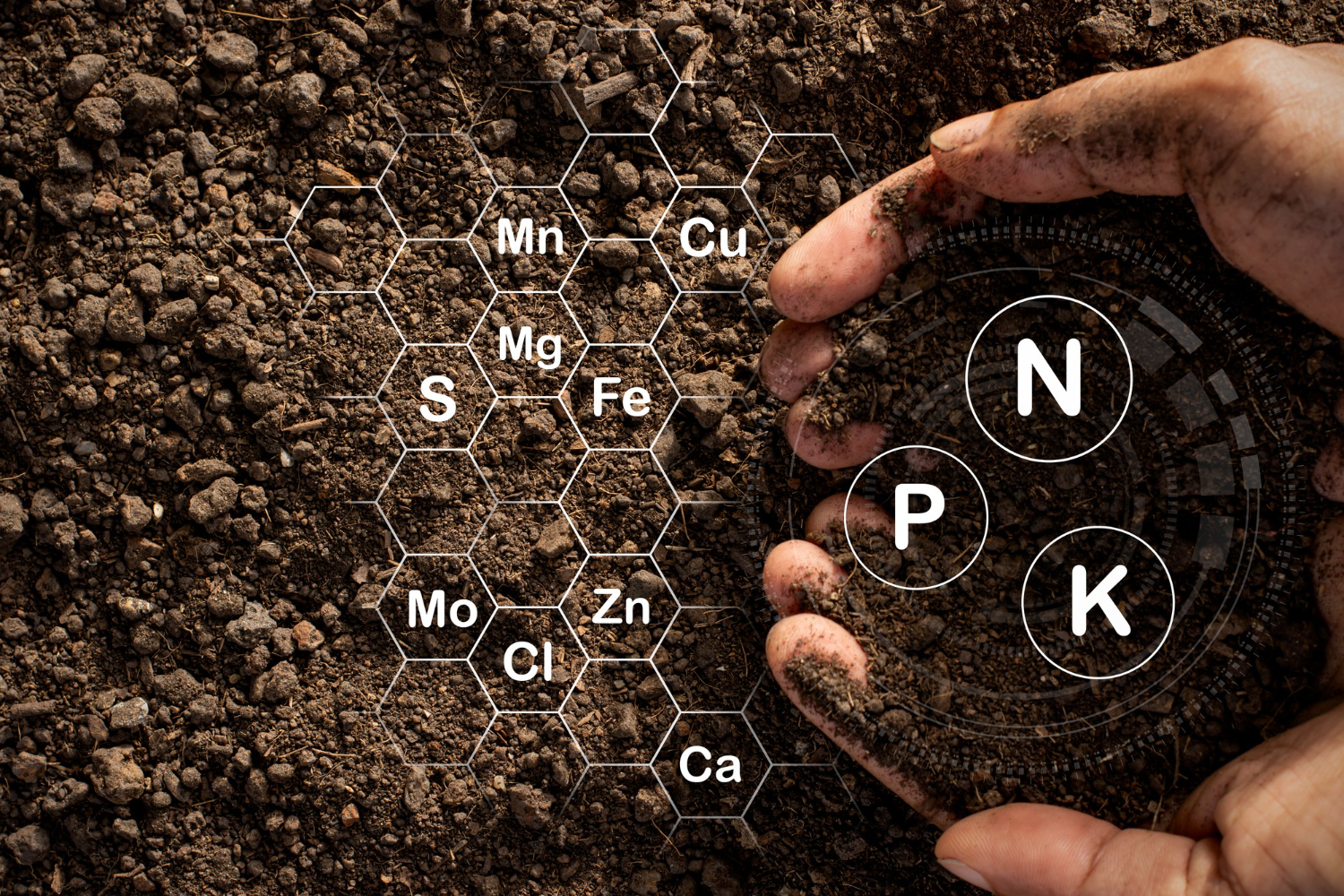
Wastewater contains elevated levels of nitrogen and phosphorus, nutrients that are harmless or even beneficial in small quantities but damaging at elevated concentrations. When a failing septic system allows these nutrients to reach surface water, streams, ponds, wetlands, it contributes to a process called eutrophication.
Eutrophication is what happens when a body of water receives too many nutrients. Algae and aquatic plants grow rapidly, consuming oxygen as they decompose, and the resulting oxygen depletion, called hypoxia, can kill fish and other aquatic life. It’s the same process responsible for the harmful algal blooms that periodically affect water bodies across the Hudson Valley.
A properly maintained septic system, with a functioning drain field filtering effluent through healthy soil, removes the vast majority of these nutrients before they reach any water body. A failing system bypasses that filtration step entirely.
Soil Degradation
Beyond water, a failing septic system can damage the soil itself. When effluent surfaces, when a saturated drain field forces partially treated wastewater to the surface of the yard, it introduces pathogens and excess nutrients directly into the top layer of soil. Repeated exposure changes the soil’s microbial composition, its pH, and its physical structure in ways that can take years to reverse.
For properties with vegetable gardens, fruit trees, or livestock areas near the septic system, this is a meaningful concern, both environmentally and from a food safety perspective.
The Environmental Role of Regular Pumping and Cleaning
Pumping Prevents the Chain Reaction
The most direct environmental protection any septic system owner can provide is staying current on pump-outs. Dutchess County NY Septic Tank Pumping removes accumulated sludge before it reaches the outlet pipe and flows into the drain field. It’s the intervention that prevents the chain reaction, sludge overflow to drain field, soil clogging, reduced filtration, groundwater contamination, from ever beginning.
Most residential systems in our area need pumping every three to five years. Larger households, properties with garbage disposals, and high-usage systems may need service more frequently. The environmental cost of an overdue pump-out is always higher than the cost of the service itself.
Cleaning Supports Biological Function
Dutchess County NY Septic Tank Cleaning goes a step further than pumping by removing residue from the tank walls and inspecting the internal baffles, the components that direct flow and keep solids from exiting prematurely.
A clean tank supports the biological community inside it. The bacteria that process waste need a reasonably clean environment to function effectively. Excessive residue buildup, deteriorated baffles, and accumulated scum on the walls can impair that biological activity, reducing the quality of treatment the system provides and increasing the environmental load that reaches the drain field.
Inspections: The Environmental Early Warning System
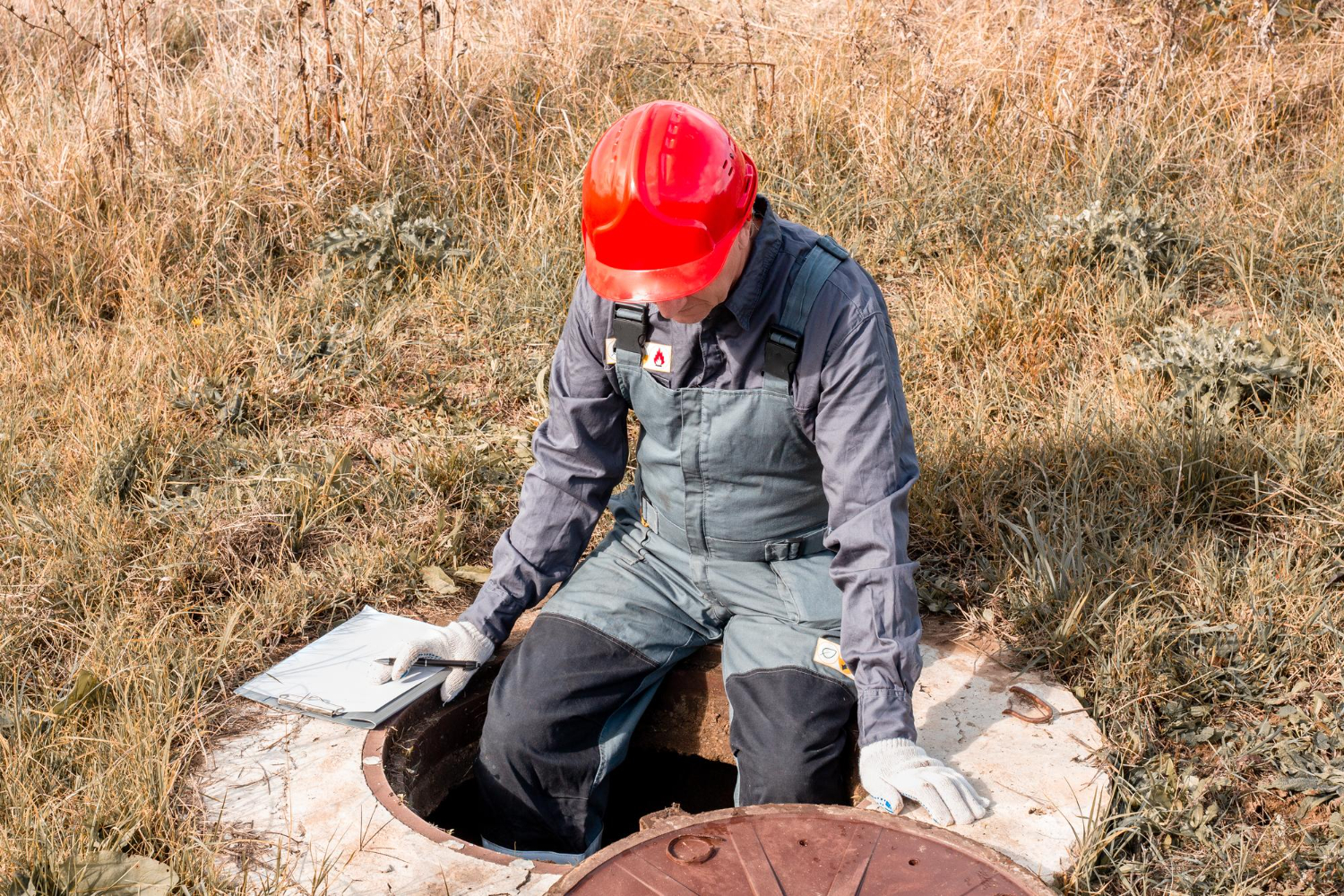
A septic system that’s failing environmentally often looks fine from the surface, until it doesn’t. Groundwater contamination, early-stage drain field saturation, and baffle deterioration aren’t visible to a property owner walking the yard. They require professional evaluation.
Dutchess County NY Septic Tank Inspection gives property owners a clear picture of how their system is actually performing, not just how it appears to be performing. We assess sludge and scum levels, baffle condition, effluent quality, the structural integrity of the tank, and signs of drain field stress. This information allows us to catch environmental risks early, when they’re still addressable with maintenance rather than repair.
If your system hasn’t been formally inspected in several years, that’s the single most important step toward understanding its environmental footprint. We’re always available to assess your property’s septic needs and provide an honest evaluation of what we find.
What You Put Into the System Matters Enormously
Household Chemicals and the Bacterial Balance
The bacteria inside your septic tank are your system’s environmental engine. They’re what make the difference between a tank that treats waste effectively and one that passes it through partially processed. Protecting that bacterial population is one of the most environmentally significant things a homeowner can do.
Substances that damage the bacterial community inside the tank:
- Bleach and disinfectants used in large quantities
- Antibacterial soaps and cleaning products
- Chemical drain cleaners, among the most damaging products a homeowner can pour into a septic system
- Large quantities of laundry detergent, particularly powder formulas
- Prescription and over-the-counter medications
The CDC’s guidance on onsite wastewater treatment emphasizes that household chemical use is a direct factor in the treatment performance of private septic systems, with implications for both system health and environmental protection.
Non-Biodegradable Materials
Materials that don’t break down biologically, “flushable” wipes, cotton products, plastics, cigarette filters, accumulate in the tank without being processed, accelerating sludge buildup and increasing the frequency of pump-out needs. They can also clog pipes and baffles, creating blockages that require professional pipe snaking and cleaning to address.
Every non-biodegradable item that enters a septic system is an avoidable source of environmental stress. Keeping these materials out of the system is one of the simplest environmental contributions a property owner can make.
Pharmaceuticals in the Wastewater Stream
This is an area that receives less attention than it deserves. Medications that are flushed down the toilet or excreted through normal use enter the wastewater stream and can pass through septic systems in ways that affect groundwater quality. Antibiotics, hormones, antidepressants, and other pharmaceutical compounds have been detected in groundwater near septic systems, and their long-term effects on soil microbiology and aquatic ecosystems are an active area of environmental research.
Unused medications should always be disposed of through pharmaceutical take-back programs, available at many pharmacies and through community collection events, rather than flushed into the septic system.
Drain Field Health and Environmental Protection
The Drain Field as Environmental Filter
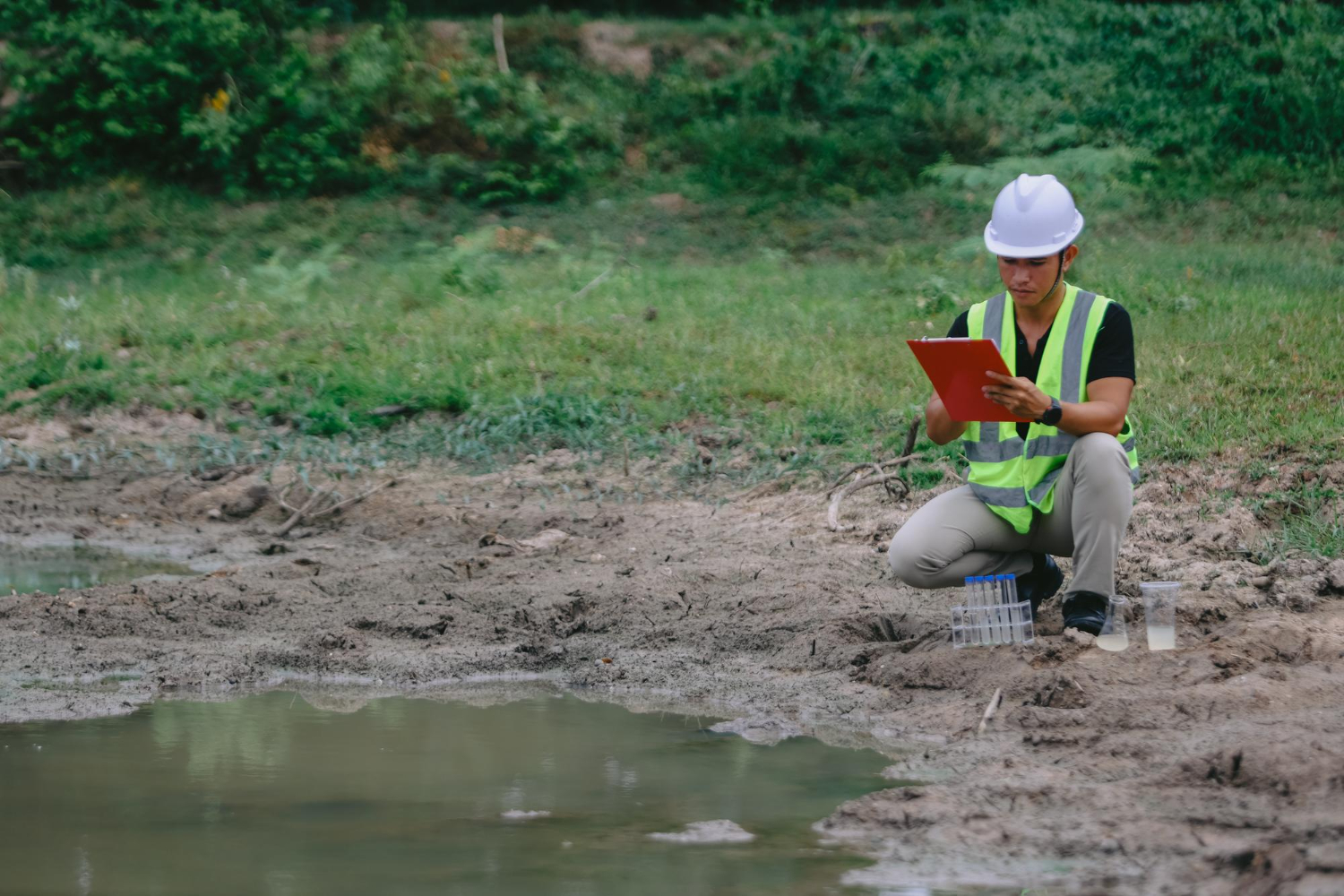
The drain field is the final treatment stage of any septic system and the primary environmental safeguard between household wastewater and the surrounding ecosystem. Healthy soil in the drain field removes pathogens, filters nutrients, and completes the biological treatment process that the tank begins.
When a drain field fails, through soil saturation, biomat formation, or physical damage, that environmental filter is compromised. Drain field repairs and installations restore that protective function, returning the system to a state where it can fulfill its environmental role.
We approach every drain field assessment with the understanding that what’s at stake isn’t just the property owner’s convenience, it’s the quality of the groundwater, the health of nearby water bodies, and the integrity of the soil ecosystem that the system sits within.
Protecting the Drain Field From External Damage
Beyond system-generated stress, drain fields can be environmentally compromised by external factors:
- Vehicle or heavy equipment traffic over the field compacts the soil and crushes the perforated pipes, destroying drainage capacity
- Tree roots from nearby plantings invade pipes and disrupt flow
- Surface water directed toward the drain field, from roof drainage, sump pumps, or grading, saturates the soil and reduces absorption capacity
- Impermeable surfaces (patios, sheds, paved areas) built over the drain field prevent evapotranspiration and oxygen exchange that support healthy soil biology
Keeping the area above the drain field clear of these threats is a straightforward protective measure with direct environmental benefit.
Installation Quality: The Environmental Foundation
Getting It Right From the Start
A properly installed septic system, sited correctly, sized appropriately, and built to current regulatory standards, provides decades of environmentally sound wastewater treatment. An improperly installed system creates environmental risk from day one, regardless of how well it’s maintained afterward.
Dutchess County NY Septic Tank Installation involves soil testing, percolation assessment, setback compliance, permitting through the Dutchess County Department of Behavioral and Community Health, and design that meets current New York State standards. Each of these steps exists for an environmental reason, ensuring that the system is placed and sized in a way that protects the soil, the groundwater, and the surrounding ecosystem.
Shortcuts in the installation process, inadequate soil testing, improper setbacks, undersized tanks or drain fields, create environmental vulnerabilities that compound over time. Doing it right from the beginning is always the environmentally responsible choice.
Sewer Systems, Water Lines, and the Broader Picture
Infrastructure Integrity Has Environmental Implications Too
Sewer line leaks, from cracked, collapsed, or root-infiltrated pipes, allow untreated wastewater to escape into the surrounding soil before it even reaches the septic system. For commercial properties and older residential systems with aging pipe infrastructure, sewer repairs and installations address a source of environmental contamination that’s often invisible until significant damage has occurred.
Similarly, water line leaks that direct excess groundwater toward the drain field can saturate the soil and impair its filtration capacity, compromising environmental performance without any fault in the septic components themselves. Water repairs and installations that address these leaks protect both system performance and the surrounding environment.
For properties that host events or manage construction projects, portable toilet rentals provide a contained sanitation solution that keeps event-generated wastewater out of the property’s permanent septic system, a straightforward environmental management choice for peak-load situations.
The Honest Environmental Verdict
A well-maintained septic system is not an environmental liability. It’s a legitimate, often environmentally preferable method of treating household wastewater, one that recharges local groundwater, avoids the energy and infrastructure demands of centralized treatment, and returns clean water to the ecosystem when it’s functioning correctly.
The environmental risk comes from neglect: from overdue pump-outs that allow solids to reach the drain field, from chemical misuse that compromises treatment performance, from installation shortcuts that create structural vulnerabilities, and from deferred repairs that allow small problems to become serious contamination events.
The path to environmental responsibility for any property owner on a septic system is the same path that protects the system itself, regular pumping and cleaning, professional inspections on a realistic schedule, thoughtful management of what enters the system, and prompt attention to any signs of developing problems.
Wondering whether your tank is due for a pump-out? Let’s talk. If your system shows signs of wear or hasn’t been inspected in several years, it might be time for a professional evaluation. We’re always available to assess your property’s septic needs and help you understand exactly where your system stands, for your property’s sake, and for the environment around it.
