
If your home relies on a septic system, one of the most important things you can do to protect your property, your health, and your wallet is to keep up with regular septic tank pumping. At Jones Septic Services, we have been helping families across Dutchess County and the Hudson Valley care for their septic systems since 1950, and we know that a little routine attention goes a long way. In this guide, we will walk you through what septic pumping is, why it matters, how often you should do it, the warning signs your tank is full, and what to expect when we come out to service your system.
What Is Septic Tank Pumping and Why Does It Matter?
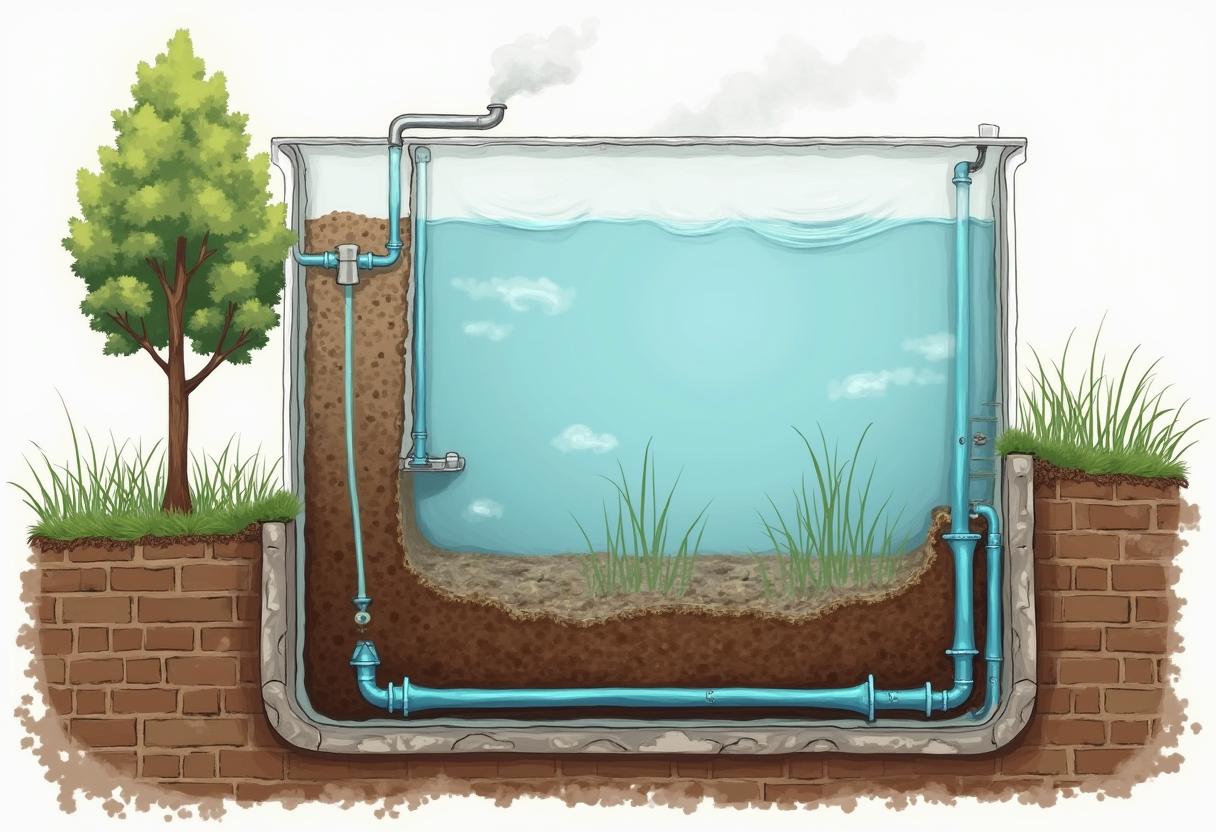
Septic tank pumping is the process of removing the accumulated solids and sludge from your septic tank so the system can continue treating wastewater safely and efficiently. Every time you run water in your home, that wastewater flows into your septic tank, where solids settle to the bottom, grease and lighter materials float to the top, and the liquid in the middle drains out to the leach field. Over time, the layer of sludge at the bottom and the scum at the top build up, and if they are not removed, they eventually flow out into the drain field where they can cause serious and costly damage.
Think of your septic tank as a settling chamber that only works properly when there is enough room inside it for wastewater to separate the way it should. When the tank gets too full of solids, wastewater passes through too quickly, untreated material escapes into the soil, and the whole system starts to fail. Regular pumping keeps that separation process working, which is exactly why it is the single most important piece of septic maintenance a homeowner can schedule. It is also the foundation of the full range of septic services we provide to keep your system healthy year after year.
How Often Should You Pump Your Septic Tank?
One of the most common questions we hear from homeowners across Beacon, Fishkill, and Hyde Park is simply how often they need to have their tank pumped. The general rule of thumb is that most households should schedule septic tank pumping every three to five years, though the right interval for your home depends on a handful of factors.
Here are the main things that affect how often you should pump:
- Household size. More people in the home means more wastewater and more solids entering the tank, which fills it up faster.
- Tank size. A smaller tank reaches capacity sooner than a larger one serving the same number of people.
- Water usage. Homes that do a lot of laundry, run dishwashers frequently, or have long showers send more water through the system.
- Use of a garbage disposal. Disposals add extra solids that accumulate more quickly.
- Age and condition of the system. Older systems may need closer monitoring.
As a simple starting point, a family of four with an average-sized tank often lands right in that three-to-five-year window, but the only way to know for certain is to have your system inspected. When in doubt, having a professional check the sludge levels takes the guesswork out of scheduling and helps you pump at the right time rather than too early or too late. If you live nearby, our septic pumping in Hyde Park is a good example of how we tailor a pumping schedule to each household’s real-world usage.
What Are the Warning Signs Your Septic Tank Is Full?
Your septic system will usually give you clues when it is time for service, and learning to recognize them early can save you from a messy and expensive backup. Because septic problems tend to get worse quickly, paying attention to these warning signs is one of the easiest ways to protect your home.
Watch for these common signals that your tank may be full or your system needs attention:
- Slow drains throughout the house, especially when multiple fixtures are affected at once.
- Gurgling sounds coming from your toilets, sinks, or pipes.
- Sewage odors inside the home or outdoors near the tank or drain field.
- Wastewater backing up into toilets, tubs, or floor drains.
- Lush, unusually green grass or soggy, standing water over the drain field.
- Toilets that flush slowly or need to be plunged frequently.
If you notice any of these signs anywhere in Rhinebeck, Pleasant Valley, or with our septic pumping in Wappingers Falls and the surrounding area, it is best to call us right away rather than wait, because a tank that is left too full can lead to a backup that is far more disruptive and expensive to fix. Catching these symptoms early almost always means a simpler, less costly service call.
What Happens During a Professional Septic Pumping Visit?
Many homeowners have never watched their septic tank being pumped, so they are not quite sure what to expect when we arrive. The good news is that a professional septic pumping visit is a straightforward, well-established process that a trained crew can typically complete in a single appointment.
Here is what a typical visit with our team looks like:
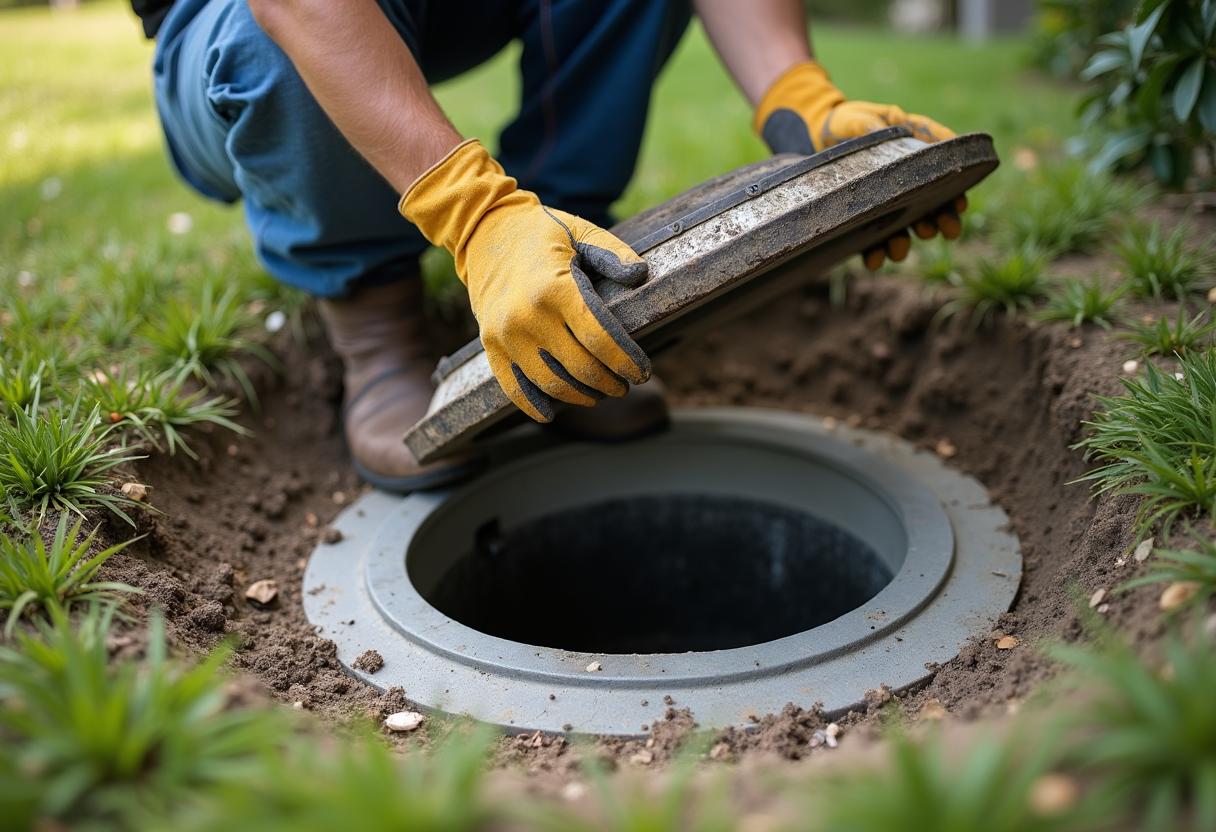
- Locating and accessing the tank. We find your tank and uncover the access lids so we can get to the interior safely.
- Inspecting the tank. We check the levels of sludge and scum and take a look at the overall condition of the tank and its components.
- Pumping out the contents. Using a specialized vacuum truck, we remove the accumulated solids, sludge, and liquid from the tank.
- Checking for problems. With the tank empty, we can spot potential issues such as cracks, damaged baffles, or signs that the drain field may be struggling.
- Responsible disposal. We transport the waste to an approved facility for proper disposal in line with regulations.
- Sharing our findings. Before we leave, we let you know what we found and when you should plan your next service.
Because the tank is fully accessible during pumping, this visit is also the ideal time to catch small problems before they turn into big ones. We are always happy to answer your questions while we work, and we will give you honest, practical guidance about your system so you know exactly where things stand.
What Are the Risks of Neglecting Septic Pumping?
It can be tempting to put off septic maintenance when everything seems to be working fine, but skipping regular pumping is one of the costliest mistakes a homeowner can make. Neglecting your septic tank does not just risk an unpleasant backup; it can lead to the failure of your entire system.
When a tank is not pumped on schedule, solids build up until they overflow into the drain field, clogging the soil and pipes that are supposed to filter wastewater. A damaged drain field is one of the most expensive repairs a septic system can require, and in some cases it means replacing the field entirely. Beyond the financial hit, a failing system can contaminate groundwater, create health hazards for your family and neighbors, and release untreated sewage onto your property. The U.S. Environmental Protection Agency’s SepticSmart program offers excellent guidance on how proper care protects both your investment and the environment, and the New York State Department of Health provides additional resources on safe wastewater management for homeowners across the state. The simple truth is that routine pumping costs a small fraction of what it takes to repair or replace a system that has been allowed to fail.
Why Choose Local Dutchess County Septic Pumping?
When it comes to caring for your septic system, working with a local company that truly knows the Hudson Valley makes a real difference. Local soil conditions, water tables, and property layouts vary across the region, and an experienced local crew understands how these factors affect systems in towns like Poughkeepsie, Beacon, and Beekman, where our septic pumping in Beekman reflects the same local know-how we bring to every community we serve.
At Jones Septic Services, we have been part of this community since 1950, serving families and businesses throughout Dutchess County and the greater Hudson Valley from our home base at 271 Cream Street in Poughkeepsie. We offer prompt service, reasonable rates, and free estimates, and because septic emergencies do not keep business hours, we provide 24/7 emergency service when you need us most. You can learn more about our family history and the experience we bring to every job, because our long history in this area means we have seen just about every kind of septic situation. Choosing a trusted local team means you get service that is fast, familiar, and genuinely invested in the community we all share.
Schedule Your Septic Pumping Today
Regular septic tank pumping is one of the smartest and most affordable ways to protect your home, and our team is here to make it easy. Whether you are due for routine service, have noticed a warning sign, or simply are not sure when your tank was last pumped, we are glad to help you figure out the right plan for your property.
If you are ready to schedule service or just have a few questions, we invite you to contact Jones Septic Services or give us a call at (845) 452-1123. Serving Dutchess County and the Hudson Valley since 1950, we are proud to offer prompt service, reasonable rates, and free estimates, and we look forward to keeping your septic system running smoothly for years to come.
Frequently Asked Questions
How often should a septic tank be pumped?
Most households should schedule septic tank pumping every three to five years. The right interval depends on household size, tank size, water usage, garbage disposal use, and the age of the system. A family of four with an average tank usually lands in that window, but an inspection of the sludge level is the only way to know for certain.
What are the warning signs a septic tank is full?
Watch for slow drains throughout the house, gurgling from toilets or pipes, sewage odors indoors or over the tank and drain field, wastewater backing up into fixtures, lush green or soggy grass over the drain field, and toilets that flush slowly. Any of these is worth a prompt call.
What happens during a professional septic pumping visit?
We locate and open the tank, inspect sludge and scum levels, pump out the contents with a vacuum truck, check for cracks or damaged baffles, dispose of the waste at an approved facility, and share our findings plus a recommended date for your next service. It is typically a single appointment.
What happens if you never pump your septic tank?
Solids build up until they overflow into the drain field, clogging the soil and pipes that filter wastewater. A damaged drain field is one of the most expensive septic repairs there is, and a failing system can contaminate groundwater and release sewage onto your property. Routine pumping costs a small fraction of that.
Do you offer emergency septic pumping in Dutchess County?
Yes. Jones Septic Services has served Dutchess County and the Hudson Valley since 1950 from 271 Cream Street in Poughkeepsie, with prompt service, reasonable rates, free estimates, and 24/7 emergency availability. Call (845) 452-1123.
Why choose a local septic pumping company?
Local soil conditions, water tables, and property layouts vary across the Hudson Valley, and an experienced local crew understands how those factors affect systems in towns like Poughkeepsie, Beacon, and Beekman. A trusted local team means faster, more familiar service.
