
A slow drain is easy to ignore until the morning it finally quits on you. At Jones Septic Services, we have been keeping the drains and sewer lines of Dutchess County flowing since 1950, and we have learned that most drain problems give plenty of warning before they turn into a mess. When you understand what causes clogs, what the warning signs look like, and when it makes sense to call a professional, you can protect your home and your budget. Here is what we tell our neighbors in Poughkeepsie and across the Hudson Valley about keeping drains clear. Professional drain cleaning is what solves the clogs that get ahead of everyday upkeep.
What Causes Clogged Drains in the First Place?
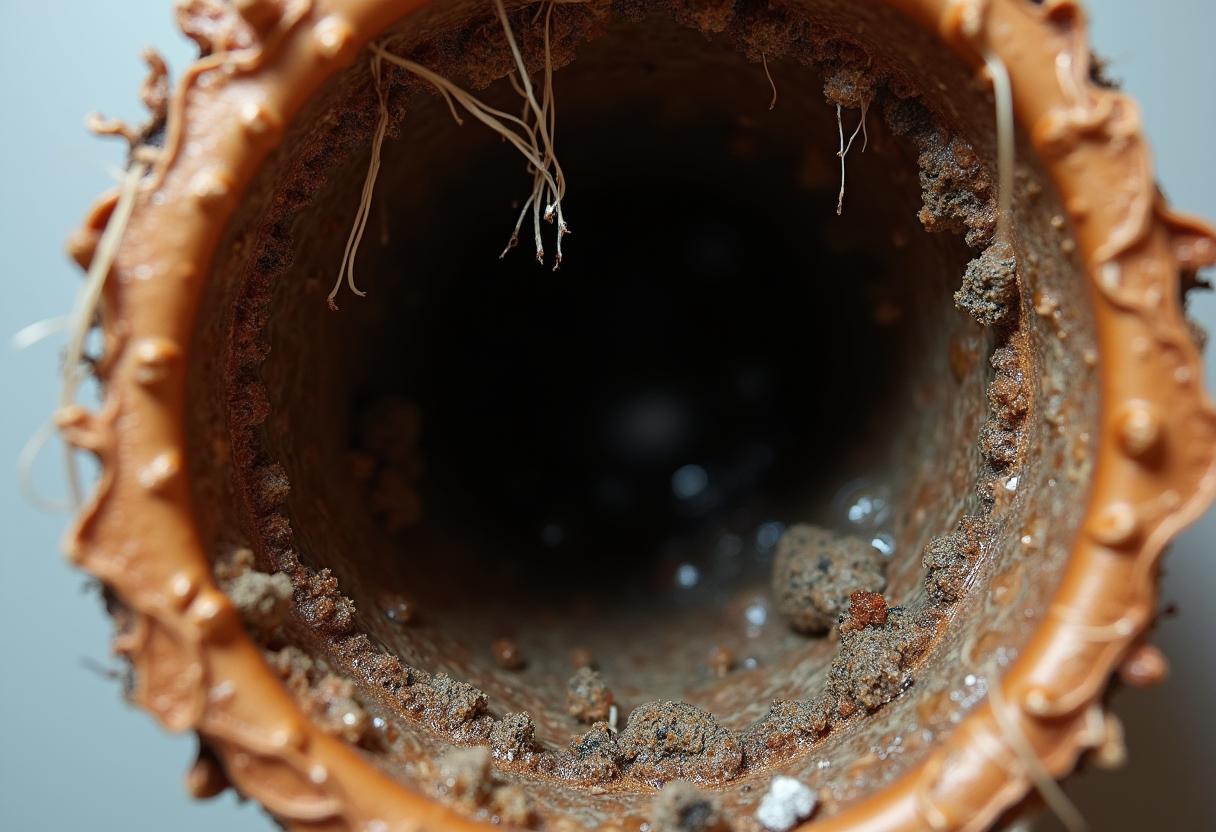
Most clogs are the slow result of everyday habits rather than a single dramatic event. Whether you live in a century-old home near the river in Poughkeepsie or a newer build out in Fishkill, the culprits tend to be the same handful of materials building up inside your pipes over months and years.
Here are the causes we run into most often:
- Grease and cooking fats that pour down warm and harden into a sticky coating inside the pipe
- Hair and soap scum that bind together and trap everything else in bathroom and shower drains
- Food scraps, especially coffee grounds, rice, pasta, and fibrous vegetable peels
- So-called flushable wipes, paper towels, and feminine products that do not break down like toilet paper
- Mineral buildup from hard water that narrows the inside of the pipe over time
- Tree roots working their way into small cracks in older sewer lines, which is common in established neighborhoods around Hyde Park and Rhinebeck
The single biggest lesson from seventy-plus years of drain work is that clogs are almost always built gradually, one small deposit at a time.
What Are the Signs You Need Professional Drain Cleaning?
Your plumbing usually tells you it is struggling well before a full backup happens. Learning to read those signals can be the difference between a quick service call and an emergency cleanup in your basement.
Watch and listen for these warning signs:
- Water that drains slowly in a sink, tub, or shower even after you have cleared visible debris
- Gurgling sounds coming from drains or toilets when water runs elsewhere in the house
- Bad odors rising from drains, which often means waste is stuck and decaying in the line
- More than one fixture backing up at the same time, a strong hint the problem is in the main line
- Water pooling around a floor drain or near your septic tank
- A toilet that bubbles or drops in level when you run the washing machine
When two or more drains act up together, the trouble is usually deeper in your system than a store-bought product can reach. That is the moment to call the professionals rather than keep experimenting. If you are noticing several of these signs at once anywhere from Wappingers Falls to Pleasant Valley, it is worth having someone look before it becomes a weekend emergency.
DIY or Professional: Which Approach Is Right?
There is a real place for do-it-yourself drain care, and we would never tell you to call us over a single slow bathroom sink. A plunger, a drain snake from the hardware store, or a mix of hot water and dish soap can handle plenty of minor clogs. Simple maintenance you do yourself is one of the best ways to avoid bigger bills down the road.
Where we ask homeowners to be careful is with chemical drain cleaners. Those harsh products can corrode older pipes, and they are especially hard on a septic system because they kill the beneficial bacteria your tank relies on to break down waste. The truth we share with every customer is simple: a chemical that eats through a clog does not know when to stop eating through your pipe.
It is time to bring in a professional when:
- The clog keeps coming back after you clear it
- More than one drain is affected at the same time
- You smell sewage or see backups near the lowest drains in the house
- Your home is on a septic system and the slow drains could point to a tank issue
- You simply are not sure what you are dealing with
A professional brings cameras, proper equipment, and the experience to find the true source instead of just poking at the symptom. Our full range of septic and sewer services means we can handle whatever we find, and we also offer free estimates, so there is no cost to finding out what you are up against.
How Do the Pros Actually Clean a Drain?
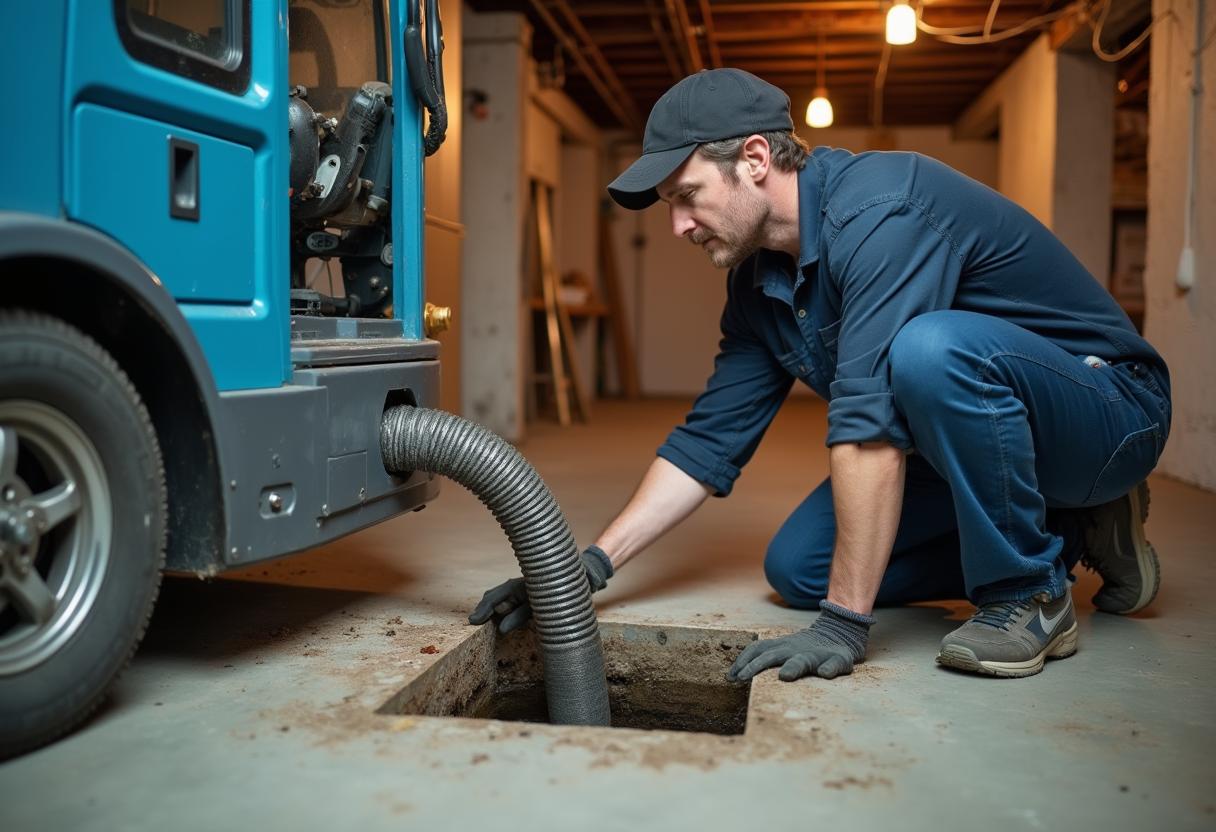
When we arrive at a home in Poughkeepsie, we do not guess. We assess the situation and choose the method that fits the pipe, the clog, and the age of your system. The right tool for a stubborn clog depends far more on what is causing it than on how badly it is backed up.
The two workhorses of professional drain cleaning are:
- Snaking or rodding. We feed a flexible steel cable, sometimes called a rod, into the line and drive it through the clog. Different heads let us break up soft blockages, chew through roots, or pull material back out. This method is excellent for isolated clogs and for clearing a line quickly.
- Hydro jetting. For heavy grease, scale, and years of buildup, we use a high-pressure stream of water that scours the inside of the pipe back to nearly its original diameter. Hydro jetting does not just punch a hole through the clog; it cleans the whole pipe wall, which is why the results tend to last much longer.
Snaking is often the fast, targeted fix, while hydro jetting is the deep clean. During either job, a camera inspection lets us confirm the line is clear and check for cracks or root intrusion so you know the real condition of your pipes.
How Do Clogs Relate to Your Septic System?
If your home is on a septic system, and many properties across Dutchess County are, your drains and your tank are part of one connected system. A clog is not always just a clog. Slow drains throughout the house can be an early sign that the septic tank is full or that the drain field is struggling, not simply that a pipe is blocked.
This connection matters because clearing the pipe will not help if the real problem is a tank that needs pumping. When the tank is too full, wastewater has nowhere to go, and it shows up as sluggish drains and gurgling toilets all over the house. If you are a homeowner who has put off routine service, scheduling septic pumping in Hyde Park or septic pumping in Wappingers Falls often solves the slow drains that a snake alone never could. On a septic system, a whole-house slowdown is a message from your tank, not just your pipes.
This is also why we caution so strongly against harsh chemical cleaners for septic homes. The bacteria inside your tank do the essential work of breaking down solids, and chemicals that reach the tank disrupt that balance. For trustworthy background on how septic systems work and how to care for them, the U.S. Environmental Protection Agency offers a helpful homeowner guide to septic systems. Because septic health and household water are closely tied to public health, the New York State Department of Health is another solid resource for local guidance. Being the water and sewer specialists we are, we look at the whole picture rather than just the drain in front of us.
How Can You Prevent Clogs Before They Start?
The cheapest drain cleaning is the one you never need. A few simple habits go a long way toward keeping your lines clear, and they cost you almost nothing. Prevention is by far the most affordable form of drain care there is.
Try these everyday practices:
- Never pour grease or cooking oil down the drain; let it cool and throw it in the trash
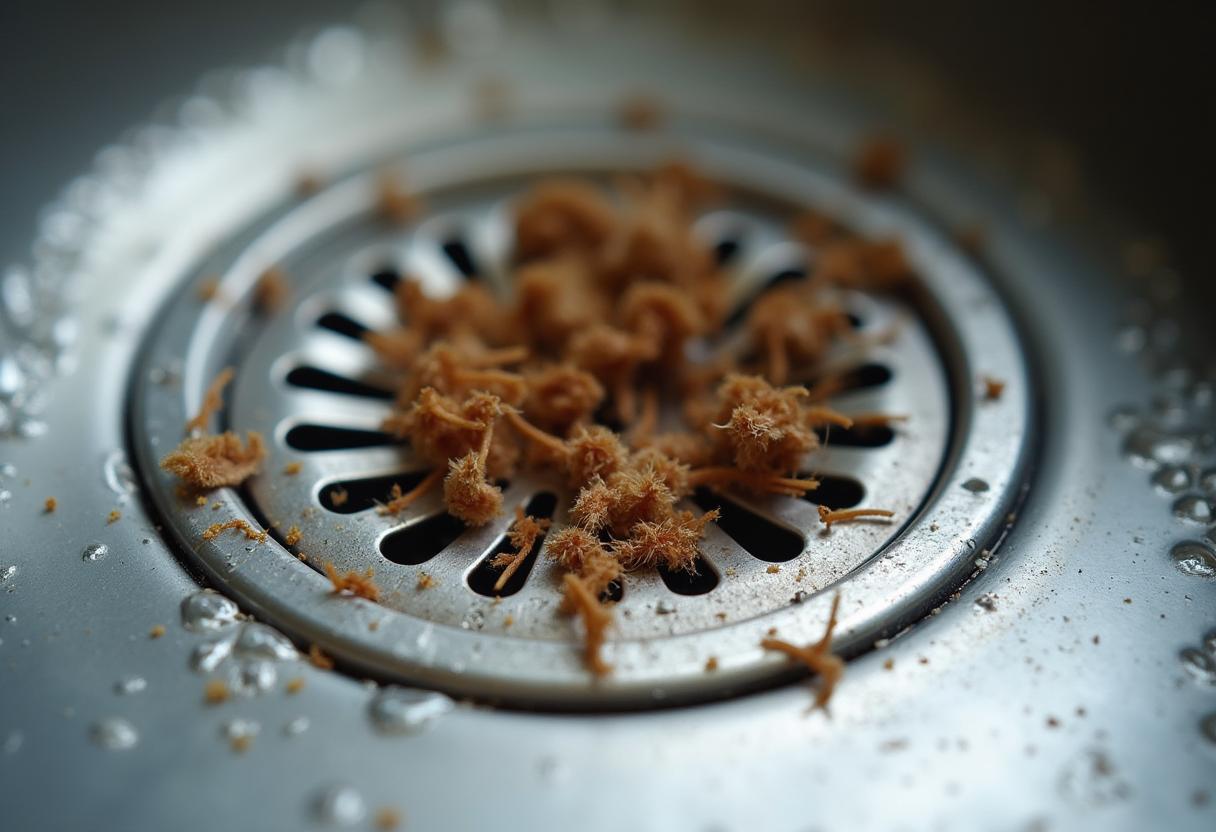
- Use drain screens in sinks and tubs to catch hair and food scraps
- Run hot water for a few seconds after using the kitchen sink to keep residue moving
- Flush only toilet paper, never wipes, paper towels, or other products
- Avoid harsh chemical cleaners, especially if you are on a septic system
- Schedule regular septic tank pumping so solids never get the chance to back up into your lines
Small, steady habits protect your pipes far better than any single deep cleaning ever could. Homeowners from Beacon to Rhinebeck who stick to these basics tend to call us for maintenance rather than emergencies.
Local Drain Cleaning You Can Count On
Every neighborhood we serve has its own quirks, from the older sewer lines in downtown Poughkeepsie to the septic systems dotting the countryside in Hyde Park and Pleasant Valley. Local experience is what lets us diagnose a drain problem quickly and correctly the first time. Serving one community for generations teaches you things no manual ever could, and you can read more about our roots on our about us page.
From our home base at 271 Cream Street in Poughkeepsie, we cover Dutchess County and the greater Hudson Valley, including Beacon, Fishkill, Hyde Park, Rhinebeck, Pleasant Valley, and Wappingers Falls. Drains rarely fail at a convenient hour, so we offer 24/7 emergency service when you need it most. You can learn more about our full range of septic and sewer work on the Jones Septic Services website.
If your drains are slow, backing up, or just not right, we would be glad to help. Reach out to contact Jones Septic Services or call us any time at (845) 452-1123. We have been serving our Hudson Valley neighbors with reasonable rates and free estimates since 1950, and we would be honored to keep your home flowing for years to come.
Frequently Asked Questions
What causes most clogged drains?
Most clogs build up gradually from everyday materials: grease and cooking fats, hair and soap scum, food scraps like coffee grounds and rice, so-called flushable wipes and paper towels, mineral buildup from hard water, and tree roots entering cracks in older sewer lines. They form one small deposit at a time.
When should I call a professional for drain cleaning?
Call a pro when a clog keeps coming back, when more than one drain is affected at once, when you smell sewage or see backups at the lowest drains, when your home is on a septic system and slow drains could mean a tank issue, or when you simply are not sure what you are dealing with.
Are chemical drain cleaners safe to use?
We caution against them, especially on septic systems. Harsh chemical cleaners can corrode older pipes and they kill the beneficial bacteria your septic tank relies on to break down waste. A chemical that eats through a clog does not know when to stop eating through your pipe.
What is the difference between snaking and hydro jetting?
Snaking (or rodding) drives a flexible steel cable through the clog to break it up or pull it out, which is fast and targeted for isolated clogs. Hydro jetting uses a high-pressure water stream to scour the whole pipe wall back to near its original diameter, which is the deep clean for heavy grease, scale, and years of buildup.
Can slow drains mean a septic problem?
Yes. On a septic system, slow drains throughout the whole house can signal that the tank is full or the drain field is struggling, not just a blocked pipe. Clearing the pipe will not help if the real fix is a pumping, so a whole-house slowdown is often a message from your tank.
How can I prevent drain clogs?
Never pour grease down the drain, use drain screens for hair and food scraps, run hot water after using the kitchen sink, flush only toilet paper, avoid harsh chemicals on septic systems, and schedule regular septic tank pumping so solids never back up into your lines.
