
If your home relies on a septic system, one question tends to come up again and again: how often should you actually pump the tank? It is one of those maintenance tasks that is easy to put off, mostly because a septic system does its job quietly and out of sight. But a little planning goes a long way, and understanding the basics can save you from an expensive and unpleasant surprise down the road. Knowing how often to pump your septic tank is the core of keeping the whole system healthy.
We work with septic systems every day across Dutchess County and the greater Hudson Valley, and we have seen how a simple, consistent pumping routine keeps homes running smoothly for decades. Below, we walk through the general rule of thumb, the factors that can shift that timeline, the warning signs to watch for, and why sticking to a schedule is one of the smartest things a homeowner can do.
Why Pumping Your Septic Tank Matters
A septic tank is designed to separate the solids and greases in your wastewater from the liquid that flows out to the drain field, and pumping is what removes the buildup that naturally collects over time. Inside the tank, heavier solids settle to the bottom as sludge, while fats and oils float to the top as a scum layer. In between, the clarified liquid flows out to the drain field, where the soil finishes filtering it naturally.
The problem is that the sludge and scum layers never stop growing. Bacteria in the tank break some of it down, but not all of it. Over months and years, those layers thicken until there is very little room left for wastewater to settle properly. When that happens, solids can escape into the drain field and clog the soil, which is the part of the system you never want to damage. Routine septic tank pumping and maintenance services remove that accumulated material before it becomes a problem.
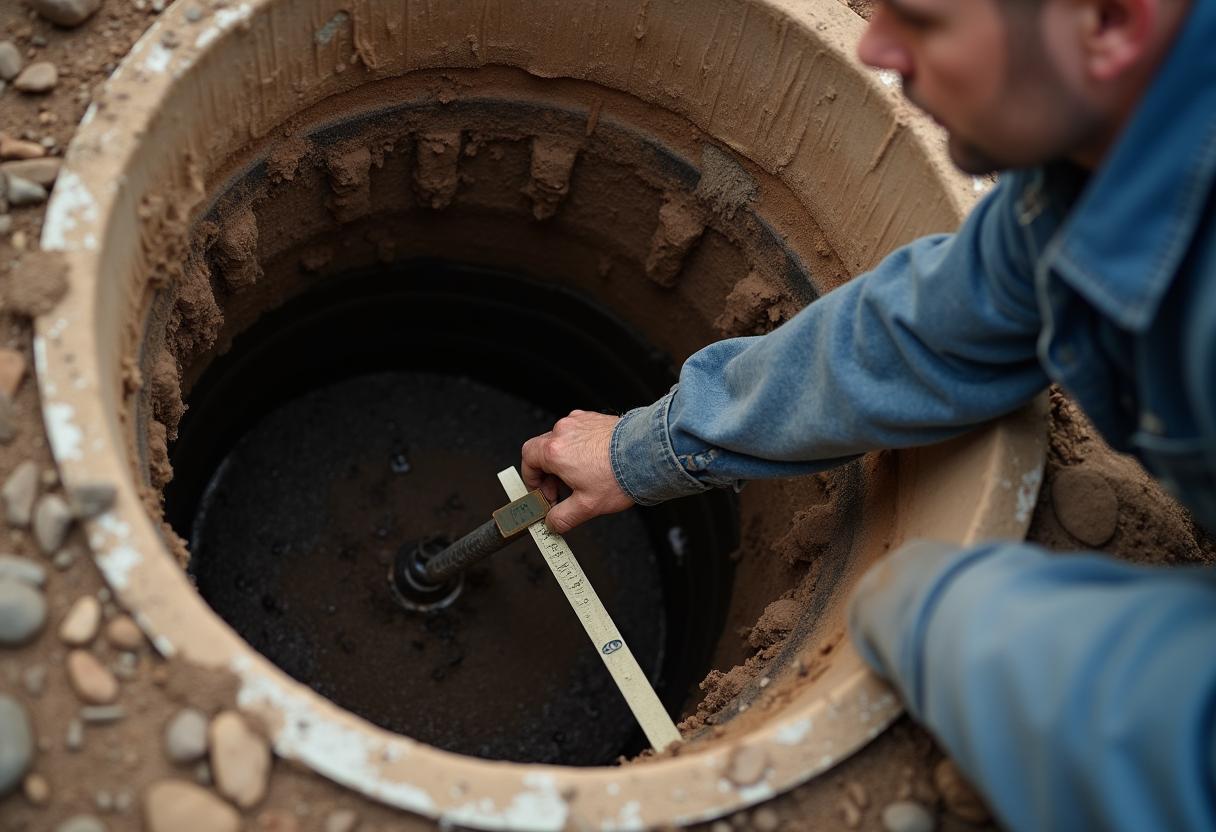
How Often Should You Pump Your Septic Tank?
For most households, the general rule is to pump the septic tank every three to five years. This range works well for a typical family living in a typical home with an average-sized tank, and it is the schedule that agencies like the U.S. EPA’s SepticSmart program point to as a sensible baseline.
That said, three to five years is a starting point, not a hard rule for every household. Some homes need pumping closer to every two or three years, while others can safely stretch toward five. The right interval depends on how much wastewater your household produces and how quickly solids build up in your particular tank. The best way to dial in your own schedule is to have the tank inspected and measured, then adjust from there based on what a professional finds.
What Factors Change Your Pumping Schedule?
No two households use their septic system the same way, and several everyday factors can push your ideal pumping interval shorter or longer. The more people and water flowing through the system, the faster the tank fills, so it pays to think about your own household’s habits.
Here are the biggest factors that affect how often you should pump:
- Household size: More people means more wastewater and more solids entering the tank. A large family will generally need to pump more often than a couple or a single-person household.
- Tank size: A smaller tank fills up faster than a larger one serving the same number of people, so tank capacity plays a major role in your timeline.
- Garbage disposal use: Frequent use of a kitchen garbage disposal adds a surprising amount of solids and grease to the tank, which can significantly shorten the time between pumpings.
- Overall water usage: Long showers, frequent laundry, older high-flow fixtures, and running multiple loads back to back all send more water through the system, giving solids less time to settle.
- What goes down the drain: Wipes, grease, harsh chemicals, and other items that do not belong in a septic system can throw off the balance of bacteria and speed up buildup.
If several of these apply to your home, it is wise to lean toward the shorter end of the three-to-five-year window. If your household is small and your water use is modest, you may find you can comfortably stretch toward the longer end. When you are ready to set your interval, a local team offering professional septic pumping in Dutchess County can measure your tank and recommend a timeline that fits how you actually live.

What Happens If You Wait Too Long?
Skipping or delaying a pumping might feel harmless in the moment, but a neglected tank is one of the most common causes of septic failure. When the sludge and scum layers grow unchecked, solids begin flowing out into the drain field, clogging the soil and pipes that are supposed to filter your wastewater.
Once the drain field is damaged, the consequences add up quickly:
- Slow or backed-up drains and toilets throughout the house.
- Sewage odors indoors or around the yard.
- Soggy, unusually green patches of grass over the drain field.
- Wastewater backing up into the home, which is both a health hazard and a mess.
- A failed drain field, which is far more expensive to repair or replace than a routine pumping would ever cost.
Beyond the inconvenience and expense, an overloaded or failing system can release untreated wastewater into the ground, which is a concern for both your family’s health and the local environment. The New York State Department of Health offers guidance on protecting groundwater and keeping onsite wastewater systems working safely, and routine pumping is a cornerstone of that protection.
How Can You Tell It’s Time to Pump?
The most reliable way to know it is time to pump is a professional inspection that measures the sludge and scum levels directly, but there are also everyday signs you can watch for at home. Paying attention to how your system behaves can help you catch a problem before it turns into a backup.
Signs that your tank may be due for pumping include:
- Drains that empty more slowly than usual, or several fixtures draining slowly at once.
- Gurgling sounds coming from your pipes or toilets.
- Unpleasant odors near drains, the tank, or the drain field.
- Standing water or lush, spongy grass over the area where the tank and drain field sit.
- Simply not remembering the last time the tank was pumped.
That last point matters more than people expect. If you cannot recall when your tank was last serviced, it has almost certainly been long enough to at least schedule an inspection. Homeowners looking for septic pumping in Hyde Park, NY or nearby communities often reach out at the first sign of a slow drain, and that early attention is exactly what keeps small issues from becoming backups.

The Value of a Regular Pumping Schedule
Setting a regular pumping schedule turns septic care from an occasional emergency into a predictable, budget-friendly routine. Instead of waiting for warning signs, you get ahead of them, and that peace of mind is worth a great deal.
A consistent schedule pays off in several ways:
- Lower long-term costs: Routine pumping is a modest expense compared to repairing or replacing a failed drain field.
- Fewer surprises: Regular service dramatically reduces the odds of a backup at the worst possible moment.
- A longer system life: A well-maintained tank and drain field can serve a home reliably for decades.
- Protected property value: A documented maintenance history is a genuine asset when it comes time to sell.
- Environmental protection: A healthy system keeps untreated wastewater out of your soil and local water supply.
The easiest approach is to have your system inspected, learn the interval that fits your household, and then mark it on the calendar so it never slips your mind. Many homeowners simply schedule their next service before the technician leaves the driveway, which takes the guesswork out entirely. Whether you need septic pumping in Wappingers Falls, NY or anywhere else in the Hudson Valley, a standing appointment makes the whole process effortless.
A Note From Jones Septic Services
We are Jones Septic Services, a family-rooted septic company that has served Poughkeepsie and the surrounding Dutchess County and Hudson Valley communities since 1950. Over those decades, we have learned that the homeowners who avoid septic emergencies are almost always the ones who stick to a simple, regular pumping schedule. You can learn more about our full range of septic services on our website, and we are always happy to answer questions about your specific system.
If you are not sure when your tank was last pumped, or you would like help setting up a schedule that fits your household, we make it easy to get started. We offer free estimates and are available 24/7 for the times when waiting is not an option. Feel free to contact Jones Septic Services or call us at (845) 452-1123, and we will help you keep your system running smoothly for years to come.
Frequently Asked Questions
How often should you pump your septic tank?
For most households the general rule is every three to five years, the baseline agencies like the EPA’s SepticSmart program point to. Some homes need it closer to every two or three years; others can stretch toward five. Having the tank inspected and measured is the best way to set your own interval.
What factors change how often you pump?
Household size, tank size, garbage disposal use, overall water usage, and what goes down the drain. More people and more water fill the tank faster, a smaller tank fills sooner, and heavy disposal use adds solids that shorten the interval.
What happens if you wait too long to pump?
Sludge and scum grow unchecked until solids flow into the drain field and clog it. That leads to slow or backed-up drains, sewage odors, soggy green patches over the field, backups into the home, and eventually a failed drain field that is far more expensive to replace than routine pumping.
How can you tell it’s time to pump your septic tank?
A professional inspection that measures sludge and scum is most reliable, but everyday signs include slow drains, gurgling pipes, odors near the tank or field, standing water or lush grass over the system, and simply not remembering the last time it was pumped.
Why keep a regular pumping schedule?
It lowers long-term costs, reduces the odds of a backup, extends the life of the tank and drain field, protects property value with a documented history, and keeps untreated wastewater out of your soil and local water supply.
Does Jones Septic offer free estimates?
Yes. Jones Septic Services has served Poughkeepsie and the Hudson Valley since 1950, offers free estimates, and is available 24/7 for times when waiting is not an option. Call (845) 452-1123.
