When the temperatures drop in Dutchess County, septic systems face increased stress that can lead to serious problems if not properly maintained. Frozen ground, reduced bacterial activity, and increased household water usage during the colder months all contribute to the strain. These seasonal challenges can cause your system to slow down, back up, or even freeze entirely, resulting in costly repairs and disruptions.
At Jones Septic Service, we understand how winter affects septic performance, and we’re here to help you protect your system against freezing, blockages, and backups. With decades of experience serving the local community, our team offers proven strategies and prompt service to help homeowners, businesses, and property managers stay ahead of the winter curve.
Whether you’re a homeowner, property manager, contractor, or real estate professional, this guide will prepare you to prevent cold-weather damage and maintain a reliable system all season long. From insulating vulnerable components to adjusting usage habits and scheduling professional maintenance, there are steps you can take right now to safeguard your investment.
If you haven’t already scheduled a seasonal checkup, now is a great time for a Dutchess County NY Septic Tank Inspection. A thorough inspection can identify potential issues before they turn into emergencies, ensure all components are functioning efficiently, and give you peace of mind through the winter months. Don’t wait until you’re dealing with a frozen tank or backed-up drain field—proactive care is always more cost-effective than emergency repairs.
What Winter Can Do to Your Septic System
Reduced Bacterial Activity
Septic systems rely on bacteria to break down waste. In winter, colder temperatures can significantly slow these biological processes. When the internal temperature of your tank drops, the helpful bacteria become less active or even dormant. This means solids don’t break down as efficiently, leading to faster accumulation. As a result, you’re more likely to face clogging, backups, or even system failure if the tank isn’t pumped or maintained before winter sets in.
Regular use of antibacterial products or heavy holiday water usage can compound the issue during this season. Scheduling a Dutchess County NY Septic Tank Inspection before the freeze ensures your system is functioning optimally and that bacterial activity is not compromised by excess sludge or chemical interference.
Freezing Pipes or Components
If the pipes leading to or from your septic tank freeze, or if the tank or distribution lines become iced over, wastewater flow can stop entirely. Frozen septic lines are not just inconvenient, they can result in significant damage. Pressure from expanding ice may cause pipes to crack, fittings to loosen, or the tank to shift, especially if the system isn’t buried deep enough or lacks insulation.
This kind of damage often requires emergency repairs, which are more complicated and expensive to perform during winter. Preventive measures, such as proper system burial, insulation, and regular usage, can help reduce the risk of freezing. If you’re unsure about the condition of your system, a Dutchess County NY Septic Tank Inspection will identify vulnerable areas before freezing becomes a problem.
Saturated or Frozen Drain Fields
Heavy snowfall followed by freeze-thaw cycles can saturate the soil, preventing effluent from properly filtering into the ground. This is a major issue, as a saturated drain field can no longer absorb treated wastewater. In severe cases, frozen ground traps the water near the surface, which may cause wastewater to back up into your home or surface in your yard, posing both environmental and health hazards.
Avoid compacting snow over your drain field with heavy equipment or foot traffic, as this drives cold deeper into the soil and increases the risk of freezing. A professional inspection and maintenance plan can help ensure your drain field is winter-ready and performing as expected.
Difficult Emergency Access
Snow accumulation and hard ground can make it difficult to access system components for urgent maintenance or repair. If a technician can’t reach your tank lid, distribution box, or cleanout access due to deep snow or frozen soil, emergency response time slows down considerably. This can prolong issues, increase damage, and raise the cost of service.
That’s why pre-winter planning is so critical. Clearing access paths and identifying your system layout in advance can save valuable time in an emergency. Better yet, scheduling a Dutchess County NY Septic Tank Inspection before winter ensures your system is less likely to require emergency attention in the first place.
Signs of Cold-Weather Septic Problems
Winter weather in Dutchess County can impact your septic system in subtle, and not so subtle, ways. Recognizing early warning signs can help you avoid bigger, more expensive problems down the line. Stay alert for these signs that winter may already be affecting your system:
- Slow draining sinks, tubs, or toilets
If your drains are noticeably sluggish, it could indicate a blockage forming in the pipes or a slowing of the bacterial breakdown process inside your tank. Colder temperatures can exacerbate buildup and reduce flow, especially if the system wasn’t pumped or inspected before the ground froze. - Gurgling sounds in your plumbing
Strange noises like gurgling or bubbling when you flush or run water often mean air is trapped in the system, potentially caused by partial clogs or ice buildup in the pipes. It may also indicate a system that’s having trouble venting properly, which can be worsened by frozen vent stacks or snow-covered exhaust points. - Unpleasant odors near the tank or drain field
A properly functioning septic system should not emit strong odors. If you notice a persistent smell of sewage around your yard, tank, or drain field, especially during freezing temperatures, it may mean wastewater isn’t filtering into the soil as it should. This could signal a saturated or frozen drain field. - Unusually green or wet patches on your lawn in freezing weather
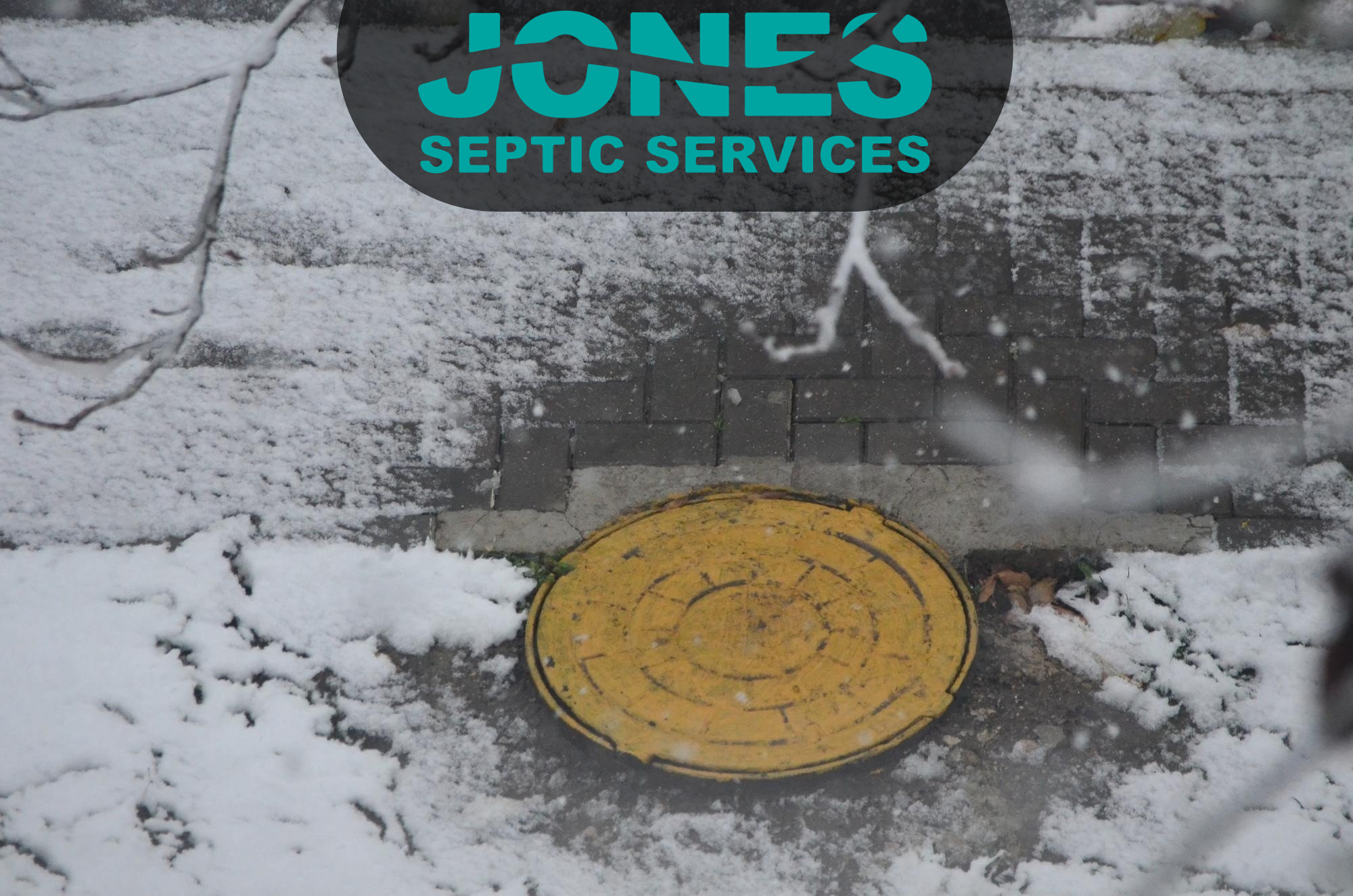
If parts of your yard are inexplicably lush or soggy during cold months, especially over the drain field or septic tank area, this may indicate that wastewater is surfacing instead of being absorbed. This is often caused by a blocked or frozen drain field and is a serious health and environmental concern. - Trouble locating or accessing tank lids and risers under snow
Snow buildup or frozen soil can make it difficult to find and access system components when maintenance or repairs are needed. If your risers aren’t clearly marked or if snow has piled up, this can delay service in an emergency.
If your system shows signs of wear or distress during the winter months, it might be time for a Dutchess County Septic Tank Repair. Addressing issues early helps prevent costly damage and ensures your septic system stays reliable throughout the season. Whether it’s a minor fix or a more complex repair, a prompt response from experienced professionals can keep your system running smoothly despite the cold.
How to Winterize Your Septic System
Schedule Preventative Service
One of the most effective ways to avoid winter septic issues is by scheduling preventative maintenance before the harsh weather hits. Cold temperatures, snow, and frozen ground make emergency repairs much more difficult and costly, so a proactive approach can save you significant time, money, and stress.
- Get your system professionally inspected and pumped if needed
A thorough inspection can identify early signs of wear, stress, or buildup that could lead to blockages or freezing. If your tank is nearing capacity, pumping it before winter helps prevent overflows and backups when the ground is frozen and absorption is reduced. If it’s been more than 3–5 years since your last service, now’s the time to book a Dutchess County NY Septic Tank Pumping to keep everything flowing smoothly. - Identify and repair any cracks, leaks, or vulnerable pipes
Small issues like cracked lids, loose joints, or aging pipes can become big problems in freezing conditions. Water seeping into a damaged pipe can freeze and expand, causing further breakage or complete system failure. An inspection will help locate weak points so they can be repaired before the first hard freeze. - Confirm the location of your tank and components before the snow arrives
Once the ground is covered in snow or frozen solid, locating tank lids, risers, and distribution boxes becomes much more challenging. Clearly marking these components ahead of time ensures fast access in case of an emergency and makes routine maintenance far easier. Consider installing risers with insulated covers if your access points are buried too deep.
We strongly recommend Dutchess County NY Septic Tank Pumping before winter to prevent cold-weather overflows. It’s a small investment that provides peace of mind and helps extend the life of your entire septic system. With winter approaching, now is the perfect time to get ahead of potential problems and ensure your home or property is ready for the season.
Insulate Exposed Areas
Proper insulation is one of the most overlooked yet effective ways to protect your septic system during winter. When temperatures plummet in Dutchess County, exposed or poorly insulated components can freeze quickly, leading to backups, cracked pipes, or system shutdowns. With just a few simple steps, you can minimize risk and keep your system running smoothly through even the coldest months.
- Add mulch or straw (8–12 inches) over the septic tank and drain field
A thick insulating layer of mulch, straw, or even loose leaves helps trap ground heat and prevent frost from penetrating too deeply. This is especially important for systems without natural vegetation or if snow cover is inconsistent. Spread the material in early winter before the ground freezes, focusing on the tank, pipes, and drain field area. - Use foam insulation or heat tape on vulnerable exterior pipes
Pipes that are above ground or run near the surface, especially those connecting your home to the septic tank, are at high risk of freezing. Wrapping them with foam insulation sleeves or applying electric heat tape can significantly reduce this risk. These materials are affordable and available at most hardware stores, making them a smart investment for seasonal protection. - Avoid compacting snow over the system, it acts as natural insulation
While snow may seem like a nuisance, it actually serves as a natural insulating blanket for the ground. Avoid driving vehicles, using snowmobiles, or even walking repeatedly over the septic area, as compacted snow loses its insulating properties and pushes cold deeper into the soil. Leave the snow undisturbed whenever possible to help maintain a stable temperature around your system.
Taking these insulation steps before severe weather hits can prevent a costly mid-winter emergency. If you’re unsure which areas of your system are most vulnerable, a Dutchess County NY Septic Tank Inspection can provide expert guidance and ensure everything is winter-ready.
Manage Water Use
Efficient water usage is critical during winter, especially when your septic system is already under seasonal stress. Too much water entering the system at once can overload the tank and drain field, while not enough consistent flow can allow components to freeze. Striking the right balance helps keep your system functioning efficiently throughout the coldest months in Dutchess County.
- Spread out laundry and dishwasher loads throughout the week
Avoid running multiple high-water-use appliances on the same day. Doing five loads of laundry back-to-back may seem efficient, but it can overwhelm your septic system and reduce its ability to treat wastewater properly, especially when bacterial activity is already reduced in winter. Spacing out these tasks gives your system time to process and recover, reducing the risk of backups or strain on the drain field. - Repair any leaky fixtures before cold sets in
A constantly dripping faucet or running toilet may seem like a minor issue, but over time, it can introduce hundreds of extra gallons of water into your septic tank. During winter, when your system’s processing capacity is reduced, even small leaks can tip the balance toward overflow or freezing. Fixing leaks now protects your system and conserves water. - Keep a steady flow of warm water through pipes during extreme cold snaps
If outside temperatures drop dramatically, running warm water periodically through your plumbing can help prevent freezing in exposed or vulnerable pipes. Consider letting a small trickle of warm water run overnight in sinks that are near exterior walls. This not only keeps water moving but can also generate enough heat to keep nearby septic lines from freezing.
These water management habits are easy to implement and can make a big difference in your system’s performance during winter. Combined with regular maintenance, like a Dutchess County NY Septic Tank Pumping—these small changes help prevent big problems and extend the life of your system.
Limit Harmful Additives
What you flush or pour down the drain can have a major impact on your septic system, especially in winter. Septic tanks depend on a delicate balance of bacteria to break down solids and process waste effectively. Introducing the wrong substances during cold weather, when bacterial activity is already reduced, can severely disrupt your system’s performance.
- Avoid flushing chemical de-icers, antifreeze, or salt into your plumbing
These substances are toxic to the beneficial bacteria inside your septic tank. When these organisms die off, solids accumulate more quickly, leading to clogs, foul odors, and reduced system efficiency. Even small amounts of chemical de-icers or automotive antifreeze can harm your septic health. Always dispose of these substances properly, never through your household plumbing. - Use septic-safe cleaners and avoid bleach-heavy products
While not specific to winter, this habit becomes even more important during colder months. Stick to biodegradable, septic-safe cleaning agents, and avoid pouring excessive bleach, drain cleaners, or harsh chemicals into the system. Preserving bacterial health helps your system work effectively despite the seasonal slowdown.
Protecting your system’s biological balance is just as important as preventing physical damage. If you’re unsure about the condition of your tank, a Dutchess County NY Septic Tank Inspection can help determine whether harmful additives have already impacted its performance.
Ensure Easy Access
Winter weather can make emergency maintenance difficult, or even impossible, if your septic system components aren’t easy to find. Snow, ice, and frozen ground can slow down response times and increase repair costs, so preparing your system for visibility and accessibility is a smart pre-season move.
- Mark septic tank lids, cleanouts, and inspection ports before snow falls
Use tall, visible stakes or flags to mark key access points in your yard. This is especially important if your tank or distribution box sits under turf or snow-prone areas. In an emergency, clearly marked components allow technicians to locate and service your system faster, saving you time, labor charges, and potential system damage. - Install risers if your access points are buried
If your tank lids are deeply buried or difficult to reach, installing risers brings access to ground level. This makes year-round maintenance easier and more affordable while eliminating the need for digging through snow or frozen soil.
Ensuring access isn’t just about convenience, it’s essential for fast service during a critical system failure. Taking the time to prepare now could prevent hours of digging and delays later.
How Our Services Support You in Winter
Winter brings unique challenges to septic systems in Dutchess County, but with the right support, you can face the season with confidence. At Jones Septic Service, we provide year-round solutions specifically tailored to withstand the harsh Northeast climate. Whether you’re preparing for the first freeze or already dealing with cold-weather complications, our experienced team is ready to respond with fast, effective service.
- Septic Tank Locating & Pumping
Avoid mid-winter backups and frozen overflow by ensuring your tank is pumped and accessible before deep freezes hit. Our Dutchess County NY Septic Tank Pumping services are quick, clean, and thorough, designed to keep your system flowing even during peak winter stress. - Pipe Snaking & Cleaning
If you’re experiencing slow drains or early signs of blockage, our pipe snaking and jetting services remove buildup before it freezes solid. This prevents full system shutdowns and eliminates pressure on your pipes and tank. - Septic System Inspections
A detailed Dutchess County NY Septic Tank Inspection helps identify cracks, leaks, or operational inefficiencies that could worsen in cold weather. It’s the most proactive way to ensure your system is winter-ready and to catch small problems before they become emergencies. - Drain Field Repairs & Installations
When your drain field becomes saturated or frozen, it can no longer properly filter wastewater. We offer repair solutions that restore flow and prevent surfacing wastewater, along with full installations for aging or failing systems. - Sewer Repairs & Installations
Properties with complex plumbing setups or high-capacity usage need robust sewer solutions. Our winter-ready services address root intrusion, broken lines, and other cold-sensitive sewer issues. - Water Repairs & Installations
Frozen or burst water lines are common in deep freezes. We fix leaks, restore water pressure, and install new lines when needed to keep your property functional and protected. - Portable Toilet Rentals
Whether you’re hosting winter guests, undergoing repairs, or managing a seasonal event, we provide reliable portable toilet solutions to meet short-term needs without overburdening your septic system.
If your current system isn’t up to the challenge of winter, our Dutchess County NY Septic Tank Installation services provide long-lasting, weather-resilient solutions tailored to local soil conditions and climate patterns. We design and install systems that are built to perform, even when the temperatures drop well below freezing.
From emergency service to pre-season prep, Jones Septic Service is your trusted partner in maintaining a healthy, functional septic system year-round.
Local Winterization Tips for Dutchess County
Here in Dutchess County, we face unique winter challenges that make proactive septic care essential. Our region’s climate, terrain, and rural property layouts all contribute to heightened risks for septic system complications during the colder months. That’s why localized expertise matters, your septic system needs more than a generic checklist; it needs solutions that are tailored to our environment.
- Variable soil conditions can cause unpredictable freezing
Dutchess County is known for its mix of clay, loam, and sandy soils. These varying textures impact how deeply the frost penetrates and how well your drain field performs in cold weather. Some areas may freeze faster or deeper, increasing the risk of frozen tanks or drain lines. Our Dutchess County NY Septic Tank Inspection process includes soil condition assessments to help you winterize based on your property’s specific risk factors. - Rural properties may have longer, more vulnerable pipe runs
Many homes and businesses in Dutchess County are set back from the road or built on large parcels, which often means long stretches of buried pipe. These extended runs are more exposed to the cold and more prone to freezing if they’re not properly sloped, insulated, or in continuous use. We evaluate these stretches during inspections and recommend targeted protection strategies. - Winter storm power outages can affect pump-assisted systems
If your system includes an electric pump to move wastewater, losing power during a snowstorm can lead to overflow, backflow, or frozen components. We help customers prepare with backup power options, system alerts, and cold-weather pumping schedules to reduce the risk of overflow when outages strike. - Local building codes may require specific cold-weather insulation measures
Dutchess County building and health department codes often outline guidelines for septic system depth, insulation, and riser installation to help prevent winter failures. Our team stays up to date with local regulations to ensure every installation and Dutchess County NY Septic Tank Repair meets these standards. This gives you peace of mind and helps avoid code violations or inspection delays during property sales or renovations.
We build every inspection, maintenance plan, and system installation with these local factors in mind. Our deep understanding of Dutchess County’s winter challenges ensures that your septic system is not only compliant, but resilient.
Expert Resources You Can Trust
For more in-depth guidance on septic system health and winter readiness, check out these trusted government and educational resources:
- EPA SepticSmart Program
- New York State Department of Health – Septic System Guidelines
- CDC – Onsite Wastewater Treatment
Wondering whether your tank is ready for winter? Let’s talk. We’re always available to assess your property’s septic needs and prepare your system for a safe, stress-free season.

