Septic systems are one of the most misunderstood components of any residential or commercial property. Because they operate underground and out of sight, many homeowners assume that if everything inside the house appears to function normally, the system must be in good condition. Commercial property managers may rely on past service habits without fully understanding whether those practices are still appropriate for current usage levels. Over time, these assumptions can lead to costly consequences.
In Dutchess County, where many properties rely on onsite wastewater treatment rather than municipal sewer connections, septic knowledge is not optional, it is essential. Unlike city sewer systems maintained by public utilities, private septic systems require active oversight from property owners. That means understanding how the tank functions, how the drain field treats wastewater, and how routine maintenance prevents long-term damage.
Unfortunately, septic myths spread easily. Advice passed between neighbors, outdated recommendations from decades ago, and misleading product claims all contribute to confusion. Some myths suggest that additives eliminate the need for pumping. Others claim that inspections are unnecessary unless selling a property. Many people believe that septic systems fail suddenly, without warning, when in reality small warning signs often appear first.
Our goal in this article is to replace misinformation with clarity. We explain how septic systems truly operate, why maintenance matters, and how informed decisions protect both property value and environmental health. By understanding the facts, you can avoid preventable repairs, reduce financial risk, and ensure your system continues operating reliably for years to come.
How Septic Systems Actually Work
Before addressing myths, it helps to understand the basics.
A septic system is a private wastewater treatment system. Instead of sending wastewater to a municipal sewer plant, it treats waste onsite.
The system includes:
- A septic tank (a buried, watertight container)
- A drain field (a network of perforated pipes in soil)
- Connecting sewer lines
Inside the tank, solids settle to the bottom (sludge), oils float to the top (scum), and liquid wastewater flows out to the drain field. The soil acts as a natural filter, removing bacteria and contaminants.
According to the EPA SepticSmart Program, proper maintenance is essential to prevent groundwater contamination and system failure.
With that foundation in mind, let’s clear up some costly misconceptions.
Myth #1: “If Nothing Is Backing Up, My Septic System Is Fine”
Why This Myth Is Dangerous
Many people assume that as long as toilets flush and drains clear, the system must be functioning properly.
In reality, septic systems often show no visible symptoms until significant damage has already occurred.
Sludge builds slowly over time. If the tank becomes too full, solids can flow into the drain field. Once solids clog the soil, the drain field may require major reconstruction.
Routine Dutchess County NY Septic Tank Pumping prevents this silent buildup from turning into a costly emergency.
What We Recommend Instead
We advise regular maintenance even if everything “seems fine.” A proactive approach costs far less than replacing a saturated drain field.
If your system shows signs of wear, it might be time for an inspection.
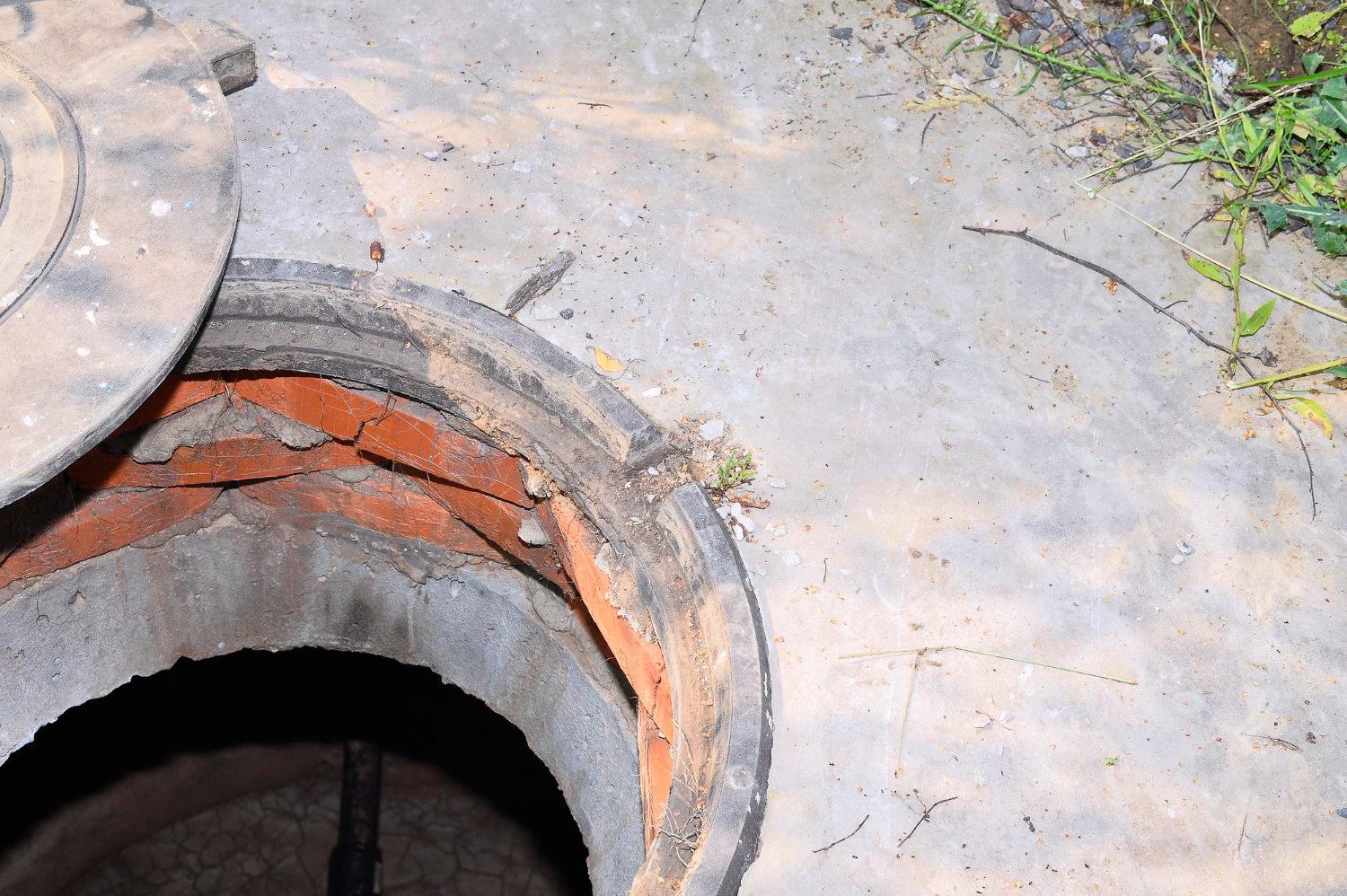
Myth #2: “Septic Tanks Never Need Cleaning”
This is one of the most expensive misunderstandings.
A septic tank is not a self-emptying container. While bacteria inside the tank break down some waste, solids still accumulate.
Over time, sludge levels rise.
Dutchess County NY Septic Tank Cleaning removes accumulated solids and restores proper tank capacity.
Think of it like changing the oil in your car. Skipping oil changes may not cause immediate failure, but eventually, engine damage becomes inevitable.
The New York State Department of Health – Septic System Guidelines clearly recommend periodic maintenance to extend system life.
Ignoring cleaning does not save money. It delays expense until it becomes significantly larger.
Myth #3: “Additives Eliminate the Need for Pumping”
Some products claim to “eliminate sludge” or “restore drain fields.”
While certain biological additives may support natural bacterial activity, they do not replace physical removal of solids.
No liquid solution can remove hardened sludge from the bottom of a tank.
Dutchess County NY Septic Tank Pumping physically removes accumulated waste. That is the only reliable method to prevent overflow into the drain field.
Over-reliance on additives can create a false sense of security and lead to neglected maintenance schedules.
Myth #4: “Flushing Wipes Is Safe If They Say ‘Septic-Safe’”
Even products labeled “septic-safe” can cause problems.
Unlike toilet paper, wipes break down much more slowly. They can:
- Clog pipes
- Accumulate in the tank
- Interfere with baffle performance
When blockages occur in household plumbing lines, Pipe Snaking & Cleaning may resolve the issue. However, repeated clogs often signal improper disposal habits.
We recommend flushing only human waste and toilet paper. Everything else belongs in the trash.
Myth #5: “Septic Systems Last Forever”
No infrastructure lasts indefinitely.
The average septic tank can function for decades with proper maintenance. However, drain fields may eventually fail due to soil saturation or aging materials.
If replacement becomes necessary, Dutchess County NY Septic Tank Installation ensures systems meet modern sizing and regulatory standards.
Modern installations account for:
- Household size
- Water usage patterns
- Soil conditions
- Environmental regulations
Planning for eventual replacement helps property owners avoid sudden financial strain.
Myth #6: “It’s Fine to Drive Over the Drain Field”
Drain fields rely on uncompacted soil to filter wastewater.
Heavy vehicles compress soil, reducing its ability to absorb water. Compacted soil limits oxygen flow, which is essential for bacteria that break down waste.
Over time, compaction can cause:
- Surface pooling
- Drain field failure
- Costly Drain Field Repairs & Installations
We advise keeping vehicles, heavy equipment, and permanent structures off the drain field area.
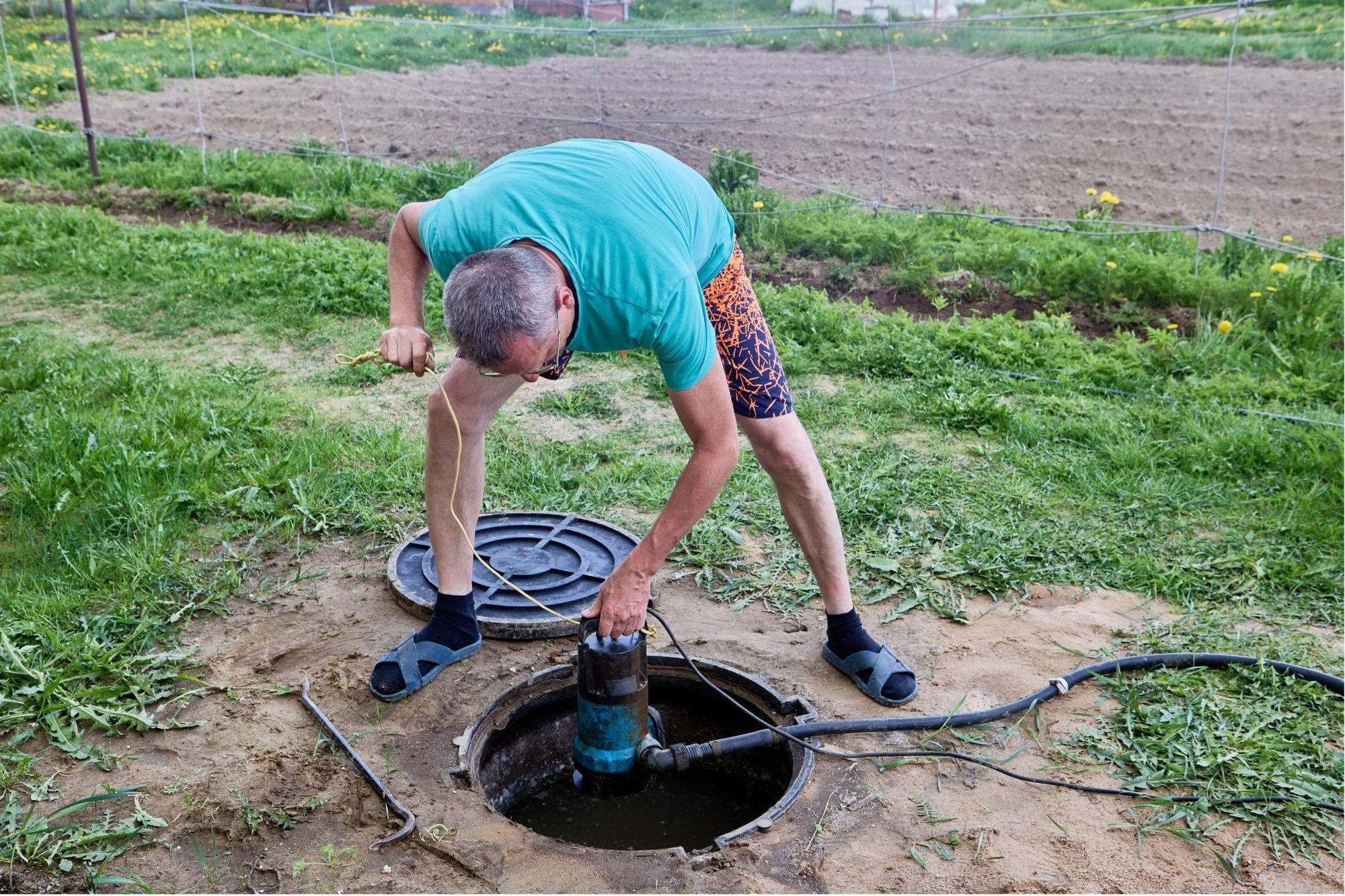
Myth #7: “Septic Inspections Are Only Needed When Selling a Property”
Inspections are often required during real estate transactions, but they are valuable throughout ownership.
A Dutchess County NY Septic Tank Inspection evaluates:
- Sludge levels
- Structural integrity
- Drain field performance
- Baffle condition
- Flow efficiency
Early detection prevents larger repairs later.
The CDC – Onsite Wastewater Treatment emphasizes that routine inspection reduces environmental and health risks.
We encourage inspections as part of responsible property ownership, not just real estate paperwork.
Myth #8: “All Septic Problems Require Full Replacement”
Not every issue demands complete reconstruction.
In many cases, Dutchess County Septic Tank Repair can address:
- Cracked lids
- Damaged baffles
- Minor tank leaks
- Localized pipe issues
Sewer Repairs & Installations may also resolve problems that appear septic-related but originate in connecting lines.
Accurate diagnosis prevents unnecessary expense.
Myth #9: “Commercial Septic Systems Don’t Need Special Attention”
Commercial systems often handle higher volumes and different waste types.
Restaurants, offices, and industrial facilities generate wastewater patterns that differ from residential homes.
Without tailored maintenance, systems can become overloaded.
Regular inspections and pumping schedules should reflect:
- Occupancy levels
- Business operations
- Grease output
- Seasonal fluctuations
Commercial property owners benefit from proactive monitoring to prevent operational disruptions.
Myth #10: “More Water Helps Flush the System”
Some believe running extra water “pushes waste through.”
In reality, excessive water overwhelms the tank and drain field.
Hydraulic overload occurs when wastewater enters the system faster than it can be processed.
This can cause:
- Premature drain field saturation
- Wastewater surfacing
- Indoor backups
Water Repairs & Installations can help identify leaks or inefficiencies contributing to overload.
Conserving water protects your septic system.
Signs a Myth May Be Costing You Money
Septic problems rarely begin with dramatic failure. More often, they start with subtle signs that are easy to dismiss, especially if you believe common myths about how systems operate. If you have assumed your system does not require routine Dutchess County NY Septic Tank Pumping, early warning indicators may already be developing beneath the surface.
Inside the home, you might notice drains that empty more slowly than they used to. Toilets may require a second flush. You could hear gurgling sounds in pipes after running water. These are not random plumbing quirks. They often signal restricted flow, rising sludge levels, or early hydraulic overload. While Pipe Snaking & Cleaning can address localized clogs, recurring symptoms usually point to a deeper system issue.
Outside, the signs can be even more telling. Areas above the drain field that remain damp long after rainfall may indicate soil saturation. Grass that appears unusually lush in one specific area can suggest wastewater is rising closer to the surface. Faint sewage odors outdoors are another red flag.
If you have delayed a Septic Tank Inspection because everything “seems fine,” these warning signs may be telling a different story. Identifying them early allows us to intervene before minor maintenance turns into major repair.
The Financial Reality of Septic Neglect
Many homeowners postpone maintenance because they want to avoid immediate costs. Ironically, that decision often leads to far higher expenses later. Routine Dutchess County NY Septic Tank Cleaning is predictable and manageable. Emergency drain field reconstruction is not.
When sludge builds up beyond recommended levels, solids can escape into the drain field. Once soil pores become clogged, the ground can no longer absorb wastewater efficiently. At that point, even regular pumping may not reverse the damage.
The EPA SepticSmart Program explains that preventive care significantly reduces the likelihood of groundwater contamination and structural failure. From a financial perspective, prevention also reduces disruption. Major repairs may require landscaping removal, heavy equipment access, and temporary sanitation arrangements.
Neglect also increases the risk of interior damage. Sewage backups can affect flooring, drywall, and personal property. Insurance coverage may be limited depending on policy details.
When we compare routine maintenance costs with emergency reconstruction, the difference is substantial. Investing in proactive care protects not only infrastructure but also long-term household finances.
How We Help Separate Fact From Fiction
Septic systems are surrounded by long-standing myths, and we understand how confusing conflicting advice can be. Our role is to provide clear, evidence-based guidance rooted in practical field experience. Through thorough Septic System Inspections, we evaluate sludge levels, structural components, and drain field performance using standardized procedures rather than assumptions.
During a Septic Tank Inspection, we explain what we observe in straightforward language. We define technical terms such as “baffles,” which are internal partitions that control wastewater flow, and “effluent,” which simply means partially treated liquid leaving the tank. Clear explanations replace uncertainty with understanding.
When problems arise, we can resolve the issue or whether broader intervention is necessary. In some cases, symptoms attributed to septic failure actually stem from compromised sewer lines, which may require Sewer Repairs & Installations rather than tank replacement.
We also reference reliable public health guidance, including the CDC – Onsite Wastewater Treatment, to ensure recommendations align with established standards. By combining local expertise with authoritative resources, we help property owners replace costly myths with informed decision-making.
Why Accurate Information Protects Property Value
A septic system directly influences a property’s marketability and resale stability. Buyers today are more informed and frequently request documentation of maintenance history. If records demonstrate consistent Septic Tank Pumping and timely inspections, it reassures prospective purchasers that the system has been responsibly maintained.
Conversely, uncertainty creates hesitation. If a system lacks documented service or has unresolved Dutchess County Septic Tank Repair issues, buyers may request price reductions or additional contingencies. Lenders and inspectors often require verification that onsite wastewater systems are functioning properly before finalizing transactions.
Accurate information also supports appraisal value. A well-maintained system reduces perceived risk. Drain field condition, installation age, and service history all contribute to a buyer’s confidence in the investment.
For commercial property owners, accurate documentation is equally critical. Operational interruptions due to septic failure can affect tenants and revenue. Proactive inspections and maintenance records demonstrate long-term infrastructure stewardship.
When we emphasize education and transparency, we are not simply discussing maintenance. We are reinforcing the structural reliability that supports sustained property value over time.
Clearing the Air on Septic Care
Septic systems are often misunderstood because they operate quietly underground. When everything appears normal inside the home, it is easy to assume the system requires little attention. However, responsible septic care is not complicated once myths are replaced with clear information.
Routine Septic Tank Cleaning and scheduled inspections form the foundation of system longevity. The New York State Department of Health – Septic System Guidelines emphasize maintenance as a critical factor in protecting groundwater and public health. These recommendations are not arbitrary; they reflect decades of environmental research.
Understanding how your system works changes how you use it. Limiting water waste, avoiding improper flushing, and scheduling regular evaluations reduce strain on underground components. When necessary, services such as Drain Field Repairs & Installations or targeted line repairs restore performance without unnecessary replacement.
We believe that accurate knowledge empowers confident ownership. If your system shows signs of wear, it might be time for an inspection. By addressing concerns early and relying on verified guidance rather than hearsay, you protect your home, your environment, and your long-term financial stability.

