Buying a home in Dutchess County is exciting. The property may look perfect on the surface, beautiful landscaping, updated kitchen, fresh paint, but what lies underground matters just as much as what you see above it.
If the home uses a septic system, a thorough inspection is not optional. It is essential.
We have worked with homeowners, commercial property owners, contractors, and real estate professionals throughout the region. We know firsthand that a properly evaluated septic system can protect you from unexpected repairs, health risks, and expensive system replacements.
Below, we break down exactly what to look for in a septic inspection before buying a house, in clear, practical terms.
Why a Septic Inspection Is Critical Before Purchase
A septic system is a private wastewater treatment system. Unlike homes connected to municipal sewer lines, properties with septic systems treat and dispose of wastewater onsite.
If something fails underground, it can mean:
- Sewage backups into the home
- Contaminated groundwater
- Foul odors in the yard
- Drain field collapse
- Major excavation and replacement costs
According to the EPA SepticSmart Program, regular inspections and maintenance are key to preventing system failure and protecting water quality.
When you purchase a property, you inherit the system in its current condition. That is why a professional inspection, not just a visual glance, is vital.
If you are evaluating a property locally, a proper Dutchess County NY Septic Tank Inspection ensures the system meets functional standards and protects your investment.
Understanding How a Septic System Works
Before diving into inspection details, it helps to understand the basics.
The Septic Tank
The tank is a buried, watertight container. Wastewater from toilets, sinks, and appliances flows into it.
Inside the tank:
- Solids settle to the bottom (called sludge)
- Oils and grease float to the top (called scum)
- Liquid wastewater flows out to the drain field
The Drain Field
Also called a leach field, this is a network of perforated pipes buried in soil. The liquid effluent slowly filters through soil layers, which naturally treat and purify it.
According to the CDC – Onsite Wastewater Treatment, soil plays a critical role in removing harmful bacteria and nutrients from wastewater.
If either the tank or the drain field fails, the entire system fails.
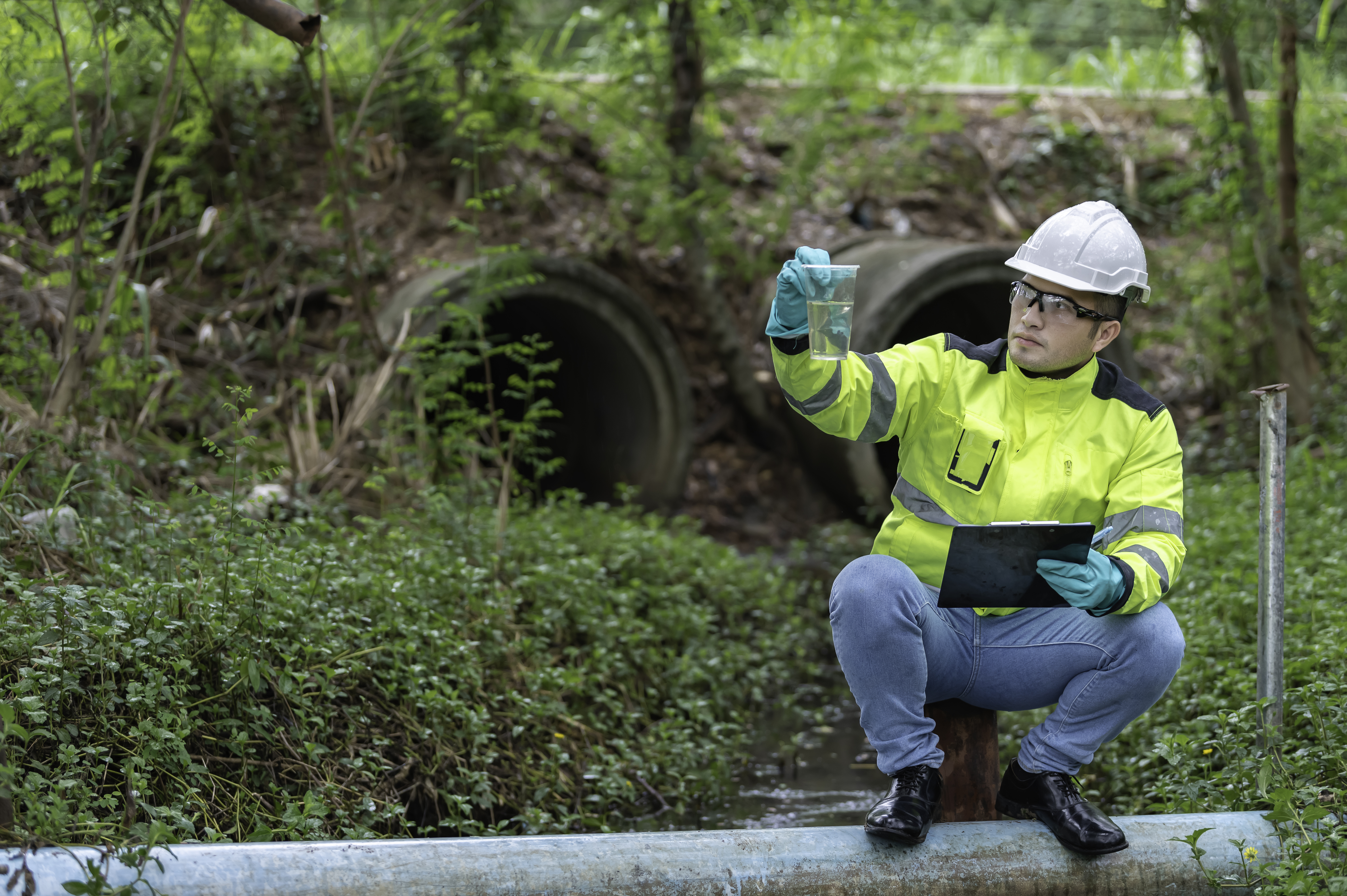
What a Proper Septic Inspection Should Include
Not all inspections are equal. A comprehensive inspection should go far beyond a quick look at the yard.
1. Tank Location and Accessibility
Many homeowners do not even know where their septic tank is located.
We begin by locating the tank and confirming:
- Accessibility for pumping
- Structural integrity of lids
- Signs of surface collapse
Septic Tank Locating & Pumping is often the first step in evaluating system health.
If a tank cannot be safely accessed, future maintenance becomes difficult and expensive.
2. Measuring Sludge and Scum Levels
A tank that has not been maintained may be overloaded with solids.
We measure:
- Sludge depth (bottom solids)
- Scum layer thickness (top grease layer)
If solids occupy too much space, wastewater does not separate properly. That increases the risk of drain field damage.
This is why routine Dutchess County NY Septic Tank Pumping is so important. Pumping removes accumulated solids before they overflow into the drain field.
A neglected tank can shorten the life of an entire system.
3. Evidence of Proper Cleaning History
We look for service records.
A system that has received routine Dutchess County NY Septic Tank Cleaning typically shows:
- Balanced sludge levels
- Minimal odor issues
- Healthy effluent flow
Without cleaning history, we evaluate internal tank conditions more closely.
The New York State Department of Health – Septic System Guidelines emphasize maintenance as a critical factor in system longevity.
4. Structural Integrity of the Tank
Septic tanks can crack, corrode, or shift over time.
We inspect for:
- Concrete deterioration
- Rusted steel tanks
- Root intrusion
- Broken baffles (internal partitions that control flow)
Baffles are especially important. Think of them as traffic directors inside the tank. If they fail, solids move into the drain field.
Repairing minor issues early can prevent major system replacement.
In some cases, homeowners may require Dutchess County Septic Tank Repair to address structural damage before closing on a property.

5. Drain Field Performance
The drain field is often the most expensive component to replace.
Warning signs include:
- Standing water
- Spongy soil
- Lush, overly green grass in one area
- Sewage odors outdoors
We evaluate absorption capacity and check for signs of hydraulic failure (when the soil can no longer absorb wastewater).
If the drain field is failing, Drain Field Repairs & Installations may be necessary.
For buyers, this can become a negotiation point during purchase.
6. Flow Testing
We simulate household water usage.
This helps determine:
- Whether wastewater backs up
- How quickly the tank processes water
- Whether the system is overloaded
Slow drains inside the home may indicate:
- Clogged pipes
- Tree root intrusion
- Pipe sagging
Pipe Snaking & Cleaning can resolve minor blockages, but inspection ensures we identify deeper structural concerns.
7. Sewer Line Evaluation
Between the home and the septic tank lies the sewer line.
We inspect for:
- Root intrusion
- Cracks
- Offset pipe joints
- Grease buildup
Sewer Repairs & Installations may be required if the line shows collapse or severe damage.
A failing sewer line can mimic septic tank problems, so a thorough inspection distinguishes between the two.
8. Water Line and Utility Considerations
While inspecting septic infrastructure, we often evaluate surrounding utilities.
Water Repairs & Installations may be necessary if water supply lines show:
- Leaks
- Pressure irregularities
- Corrosion
These issues sometimes surface during property transitions.
9. Age and Installation Standards
When was the system installed?
Was it permitted properly?
Does it meet current standards?
Older systems may predate modern sizing requirements. Household water use has increased significantly over decades.
If the system was undersized, it may struggle under modern usage demands.
In some cases, buyers may need Dutchess County NY Septic Tank Installation for system replacement or expansion.
Questions Buyers Should Ask
When purchasing a home with a septic system, asking detailed and specific questions can protect you from unexpected liabilities after closing. A septic system does not come with a visible warranty sticker, and many issues remain hidden underground until a problem occurs. That is why we encourage buyers to go beyond simply asking whether the system “works.” Instead, request documentation of the most recent Dutchess County NY Septic Tank Inspection. A recent professional evaluation provides insight into sludge levels, structural integrity, and drain field performance.
You should also ask when the tank was last serviced through Dutchess County NY Septic Tank Pumping. Regular pumping is one of the strongest indicators that the previous owner maintained the system responsibly. Inquire about any history of Dutchess County Septic Tank Repair, backups, slow drainage issues, or drain field work. If repairs were made, request details about the scope of the work and whether permits were obtained.
Additionally, confirm the size of the system and the number of bedrooms it is rated for. Septic systems are designed based on occupancy assumptions, not just square footage. An undersized system may function adequately for one family but struggle under heavier usage. Asking thoughtful questions during negotiations helps clarify whether you are inheriting a well-maintained system or a deferred maintenance issue that could become your responsibility.
Warning Signs You Should Never Ignore
Septic systems rarely fail without warning. In most cases, subtle indicators appear months before a serious breakdown occurs. As buyers walk through a property, they should remain observant not only inside the home but also outdoors. Slow drains, gurgling sounds in plumbing fixtures, or faint sewage odors inside can signal restricted flow or tank overloading. These symptoms sometimes stem from simple clogs that may be resolved with Pipe Snaking & Cleaning, but they can also point to more significant structural concerns that require a professional evaluation.
Outside, pay attention to the yard. Areas that appear unusually green or persistently damp may indicate drain field saturation. If wastewater is not dispersing properly, it can rise toward the surface. A soft or spongy patch of lawn over the drain field should never be dismissed as minor landscaping irregularity. In colder months, steam rising from specific sections of the yard may also suggest active leakage.
If a seller recently performed Dutchess County NY Septic Tank Cleaning or pumping, request confirmation that it was routine maintenance rather than an emergency response to failure. A system that has not received proper Dutchess County NY Septic Tank Inspection may mask underlying problems. Recognizing these warning signs early allows buyers to request further evaluation before committing to a purchase.

Residential vs. Commercial Septic Considerations
Commercial systems often handle:
- Higher wastewater volumes
- Grease discharge
- Industrial waste
They may include additional components such as grease traps or larger tanks.
Commercial property owners should ensure inspection standards reflect actual usage demands.
We tailor inspections based on:
- Occupancy load
- Business type
- Historical maintenance
A restaurant, for example, stresses a system differently than a small office.
The Long-Term Cost Perspective
When evaluating a property, buyers often focus on immediate purchase price and visible upgrades. However, septic infrastructure represents a long-term investment that can significantly affect total ownership costs. A well-maintained system may function reliably for decades, while a neglected one can require major excavation and replacement shortly after closing. Understanding this long-term cost perspective is critical.
Routine maintenance typically represents a manageable periodic expense. These preventative services remove accumulated solids before they damage internal components or the drain field. In contrast, drain field replacement or full Dutchess County NY Septic Tank Installation involves substantial labor, heavy equipment, soil disturbance, and restoration work.
The EPA SepticSmart Program emphasizes that preventive care costs far less than emergency repairs. When solids overflow into the drain field, the soil’s ability to filter wastewater diminishes, often requiring complete reconstruction. Buyers who invest in a thorough Dutchess County NY Septic Tank Inspection before purchase gain clarity about current system health and anticipated maintenance needs. Looking beyond short-term savings helps prevent significant financial surprises and supports responsible long-term property planning.
How Often Should Septic Systems Be Maintained?
Most residential systems require pumping every 3–5 years.
However, frequency depends on:
- Household size
- Water usage
- Tank size
- Garbage disposal use
Commercial systems often require more frequent servicing.
Routine maintenance includes:
- Pumping
- Inspection
- Cleaning
- Minor repairs
This proactive approach prevents costly breakdowns.
Portable Sanitation During Repairs or Construction
During system upgrades or property development, Portable Toilet Rentals can provide temporary sanitation solutions.
Contractors and event organizers often rely on these services while permanent systems are being installed or repaired.
Why Local Expertise Matters
Soil composition in Dutchess County varies.
Some areas drain well. Others retain water.
Understanding local soil conditions affects:
- Drain field design
- Installation depth
- Repair approach
Local knowledge allows us to assess systems accurately and recommend appropriate solutions.
We’re always available to assess your property’s septic needs.
Protecting Property Value
A functioning septic system:
- Preserves resale value
- Prevents health risks
- Avoids environmental contamination
A neglected system can deter buyers and complicate transactions.
Real estate agents often require certified inspections to move sales forward smoothly.
Environmental Responsibility
Septic systems play a quiet but critical role in protecting public health and environmental quality. When functioning correctly, they treat household wastewater onsite, allowing soil to filter harmful bacteria, viruses, and nutrients before water reenters the groundwater system. When they fail, contaminants can migrate into drinking water sources and nearby streams.
The EPA SepticSmart Program highlights that improperly maintained systems are a leading cause of groundwater pollution in rural communities. Excess nutrients such as nitrogen can contribute to algae growth in waterways, disrupting ecosystems and harming aquatic life. Regular Dutchess County NY Septic Tank Inspection and scheduled Dutchess County NY Septic Tank Pumping help prevent these outcomes by keeping solids contained within the tank.
The CDC – Onsite Wastewater Treatment also underscores the importance of responsible wastewater management in reducing disease transmission risks. By ensuring that systems are properly installed, maintained, and repaired when necessary, homeowners contribute to broader environmental protection efforts. Environmental responsibility begins underground, and proactive septic care safeguards not only individual properties but the health of the entire community.
Final Thoughts on Septic Inspections Before Buying
When purchasing a home with a septic system, never assume everything underground is functioning correctly.
A comprehensive inspection should evaluate:
- Tank condition
- Sludge levels
- Drain field health
- Sewer line integrity
- Installation compliance
Short-term savings from skipping inspection can lead to long-term financial burden.
We believe informed buyers make confident decisions.
If you are comparing providers or planning a property purchase, a detailed septic evaluation ensures peace of mind.
Your septic system may be out of sight, but it should never be out of mind.

