Why Winterizing Matters for Septic Health in Dutchess County
As winter sets in across Dutchess County, we get more calls from homeowners dealing with frozen pipes, slow-draining systems, or even septic backups caused by plummeting temperatures. These cold-weather challenges can be avoided with the right planning. Winterizing your septic system isn’t just smart, it’s essential for maintaining long-term performance and avoiding costly repairs.
In Dutchess County, where winter temperatures often dip below freezing for extended periods, untreated septic systems are vulnerable to a range of seasonal issues. Frozen components can lead to cracked pipes, blocked flow, or in severe cases, complete system failure. That’s why winterizing your septic system early, before the first deep frost, is one of the most effective steps you can take to protect your investment.
Why winterizing matters for septic health in Dutchess County comes down to more than just temperature. Our region’s specific mix of clay-heavy soil and fluctuating freeze-thaw cycles can put additional stress on septic components if they’re not properly insulated or maintained. Septic tanks, drainfields, and distribution boxes all function less efficiently when subjected to the pressure of expanding frost or excess runoff from melting snow.
Whether you manage a private home, a commercial facility, or a multi-unit property, a winter-ready septic system will keep everything flowing smoothly, even when temperatures drop below freezing. Without proper winterization, you could face emergency pumping services, damage to underground pipes, or system overload due to restricted drainage. These issues are not only disruptive, they can cost thousands to repair.
The good news? Preventative action makes all the difference. In this guide, we’ll walk through practical steps to prepare your system for winter, including tips tailored to our region’s unique climate and soil conditions. From insulating exposed lines to managing snow accumulation over your drainfield, these proactive measures ensure optimal septic health in Dutchess County throughout the coldest months.
How Cold Weather Impacts Septic Systems
Septic systems are engineered to handle a lot, but cold weather introduces a set of challenges that can disrupt performance, cause costly damage, and create hazardous conditions if not properly addressed. Understanding how winter affects your system is the first step in preventing emergencies.
Freezing Temperatures and Pipe Damage
When temperatures fall, septic system components above or near the surface are vulnerable to freezing. This is especially true in areas that experience extended cold spells or sudden temperature drops, as we often see in Dutchess County.
Key components at risk include:
- Inlet and outlet pipes that connect to the home – These lines are often shallow enough to freeze if not properly insulated or used regularly.
- Pump and distribution lines near the drain field – Because they carry wastewater across longer distances, any freezing here can cause blockages or line ruptures.
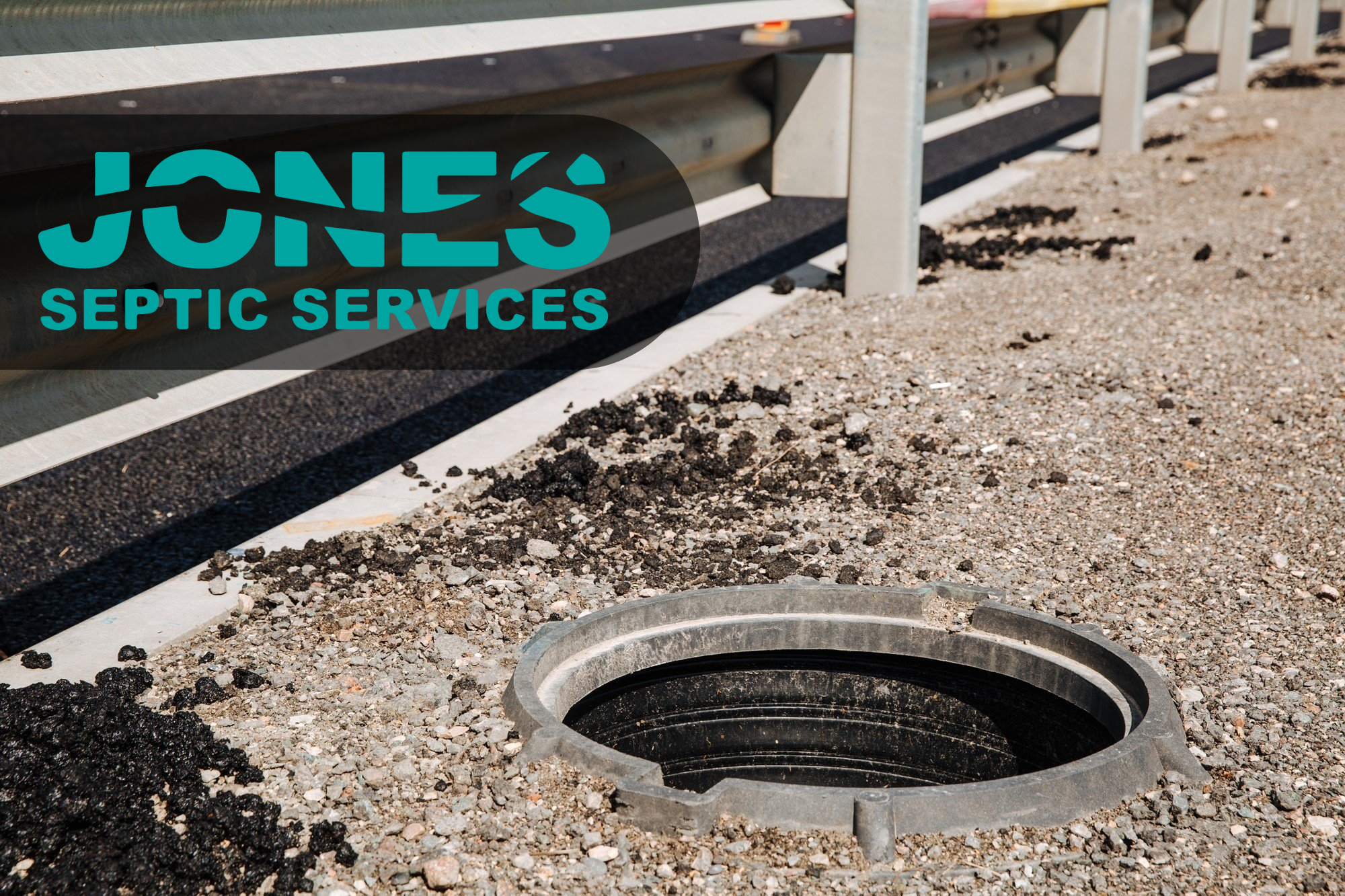
- Manhole covers or risers that aren’t properly sealed – Unsealed risers allow cold air into the system, increasing the risk of frozen components and system failure.
A frozen pipe can block flow entirely, leading to backups into sinks, tubs, or toilets, or worse, pushing wastewater back into the home. In freezing weather, this isn’t just an inconvenience, it’s a health hazard and a potential code violation.
Reduced Bacterial Activity
Your septic tank depends on natural bacterial processes to break down solids and maintain healthy separation of waste layers. But in winter, those bacteria become sluggish. Just like most biological activity, decomposition slows in colder temperatures, especially if your system isn’t insulated or operating efficiently.
If your tank is already near capacity, sluggish decomposition can lead to:
- Overflow into the drain field
- Strong odors inside or around the property
- Reduced efficiency and increased risk of freeze-related issues
That’s why we often recommend Dutchess County NY Septic Tank Pumping in fall or early winter. By removing excess solids before winter sets in, you reduce the strain on your system and give it the best chance to operate safely and efficiently during the cold months.
Steps to Winterize Your Septic System
1. Get a Professional Inspection Before the Freeze
One of the smartest ways to prepare your septic system for winter is to start the season with a thorough Dutchess County NY Septic Tank Inspection. A pre-winter inspection gives you a clear picture of your system’s health before freezing temperatures turn small issues into major emergencies.
During a cold-weather inspection, our experienced technicians examine the full system from tank to drain field, looking for any signs of stress or inefficiency. We catch hidden problems early, before snow and frozen ground make repairs more complex and expensive.
Here’s what we check during every Dutchess County NY Septic Tank Inspection:
- Tank levels and scum layer depth – If solids are building up too high, your system may be at risk of overflow or freezing. Pumping may be recommended before conditions worsen.
- Cracks or shifting in tanks and lines – Ground movement from freeze-thaw cycles can damage buried components. We inspect structural integrity to prevent future failure.
- Drain field performance – We test whether your system is dispersing wastewater effectively or showing signs of saturation, pooling, or blockage.
These checks are especially important in older systems or those that haven’t been serviced recently. If your system shows signs of wear, it might be time for a targeted repair or even an upgrade before winter arrives in full force.
Getting ahead of the freeze protects your home, your property value, and your peace of mind.
2. Pump the Tank if Needed
A full septic tank heading into winter is more than just a maintenance concern, it’s a potential emergency waiting to happen. Cold weather slows down the natural breakdown of waste, which means a full tank has less capacity and more risk of backup or freezing.
Pumping reduces the load on your system and helps prevent overflow, odors, and blockages during periods of limited bacterial activity. We strongly recommend scheduling Dutchess County NY Septic Tank Cleaning if:
- It’s been 3–5 years since your last service
- You’ve had high usage from guests, events, or increased household activity
- You’ve noticed slow drains or unusual odors recently
By pumping your tank before the ground freezes, you give the entire system a clean slate to operate more efficiently through winter. It’s a simple preventive measure that can save you thousands in emergency repair costs, and give you peace of mind when temperatures drop.
3. Insulate Exposed Components
Frozen pipes are one of the leading causes of septic system failure in the winter. Any part of your system that’s exposed to air or buried too shallowly is at risk. Luckily, a few proactive steps can go a long way in protecting your system from frost damage.
Here’s how to protect those vulnerable areas:
- Add insulated riser covers for access ports – These durable covers trap heat and block cold air from seeping into the tank.
- Use mulch or hay over the tank and pipe areas – A 6–12 inch layer of organic material acts as natural insulation, especially in areas without snow cover.
- Let grass grow longer before winter – Taller grass provides an extra insulating layer that helps keep ground temperatures more stable.
These steps help maintain ground warmth and reduce the chance of frost reaching pipes or tank surfaces, especially during prolonged cold snaps. Insulation is particularly important for older systems, shallow installations, or properties with poor soil drainage.
4. Divert Snowmelt and Stormwater
As temperatures fluctuate during winter, melting snow can overload your system’s drain field, especially if runoff is unintentionally directed toward septic components. When excess water enters the system, it can saturate the soil, slow down wastewater absorption, and even cause backups or overflows.
That’s why it’s critical to plan for proper drainage before the deep freeze sets in. Use smart landscaping and drainage strategies like grading, shallow trenches, or French drains to route melting snow and stormwater away from key parts of your septic system.
Make sure runoff is directed away from:
- The septic tank area – Standing water near the tank can infiltrate and disrupt internal levels, causing imbalances or premature pumping needs.
- Pump chambers – Electrical components and pump systems are especially sensitive to water intrusion.
- The drain field – Oversaturated drain fields can’t process wastewater effectively, increasing the risk of system failure.
We also advise checking your gutter downspouts to ensure they aren’t channeling roof runoff directly toward your septic setup. Simple redirection with extensions or splash blocks can make a big difference in reducing excess moisture near your system.
By managing water flow now, you protect your septic system’s ability to operate properly through winter and well into spring.
5. Keep the System Active
Septic systems rely on consistent flow and temperature to function properly, even in winter. That’s why systems in vacant homes over the winter are at a higher risk of freezing due to inactivity. When water isn’t moving and warm usage drops off, the system cools down, bacteria slow, and components become more vulnerable to ice buildup.
If you’re planning to leave your property for several weeks, or the entire season, taking preventive steps now can help avoid major issues later.
Here’s how to keep your system safe and functional:
- Schedule a full tank pump-out beforehand – If you’re not going to be using the system regularly, emptying it reduces the risk of overflow or freezing solids. Dutchess County NY Septic Tank Cleaning is a smart pre-departure step.
- Run warm water through the system weekly, if possible – A short flow of warm water (from a sink or bathtub) can help keep pipes from freezing and maintain microbial activity in the tank.
- Have someone check the property during extended absences – Regular inspections can catch early signs of trouble like slow drains, odors, or standing water.
Even minimal activity can help maintain the internal temperature of the system and prevent frost from reaching critical components. Keeping the system “alive” with occasional use is one of the simplest, most effective ways to safeguard your septic investment during long winter absences.
Commercial Properties: Unique Winterization Challenges
When it comes to septic systems, commercial properties face a whole different set of winterization challenges. Larger systems carry bigger risks due to their size, complexity, and higher usage volume. A small issue that might be manageable in a residential setting can quickly escalate into a costly emergency in a commercial facility, especially during winter.
That’s why our team offers customized winterization services for commercial clients, tailored to the specific demands of high-traffic systems. We perform a full system audit before temperatures drop, focusing on components that are especially vulnerable to cold weather and wear.
Our winterization services for commercial properties may include:
- Pipe tracing and pipe snaking and cleaning for grease-prone lines – Ideal for restaurants, food service facilities, and industrial kitchens where buildup can quickly lead to frozen blockages or backflow.
- Heat tape installation on exposed lines – Strategically applied to prevent freezing in vulnerable sections of plumbing, especially those above ground or in uninsulated areas.
- Backflow prevention checks – Verifying that your system is protected from wastewater reversals that could contaminate clean water lines during freeze-thaw cycles.
It’s also a great time to evaluate overall drain field health. In larger systems, poor dispersion or saturation can go unnoticed until it’s too late. If water isn’t dispersing correctly or if the drain field is aging out of effectiveness, we offer drain field repairs and installations designed to withstand seasonal stress. Our team ensures that the system functions efficiently through harsh weather, preventing backups, slowdowns, or service interruptions that could impact your operations.
With proactive planning and expert service, your commercial septic system can stay protected, compliant, and fully operational, no matter how cold it gets.
Preventing Mid-Winter Emergencies
When it comes to septic systems, the best emergency is the one that never happens. Winter is not the time to ignore warning signs, because once the ground freezes, repairs become more difficult, more expensive, and more urgent. That’s why we stress the importance of vigilance during the coldest months.
Monitor for These Warning Signs:
-
Slow-draining sinks or toilets – Often the first sign of trouble, this can indicate a clog, backup, or frozen component in your system.
-
Gurgling noises in pipes – These strange sounds may signal air trapped in the system due to restricted flow or blocked venting.
-
Sewer gas odors outside or in the home – Foul smells can point to ventilation problems, line breaks, or tank overflow.
-
Standing water near the tank or drain field – Pooling water, even if partially frozen, suggests poor drainage, leaks, or a saturated field.
Spotting these early can prevent bigger problems. If you experience any of these issues, it’s crucial to call for Dutchess County Septic Tank Repair before things freeze up. Early action can mean the difference between a minor fix and a full system shutdown.
Emergency Services in Winter
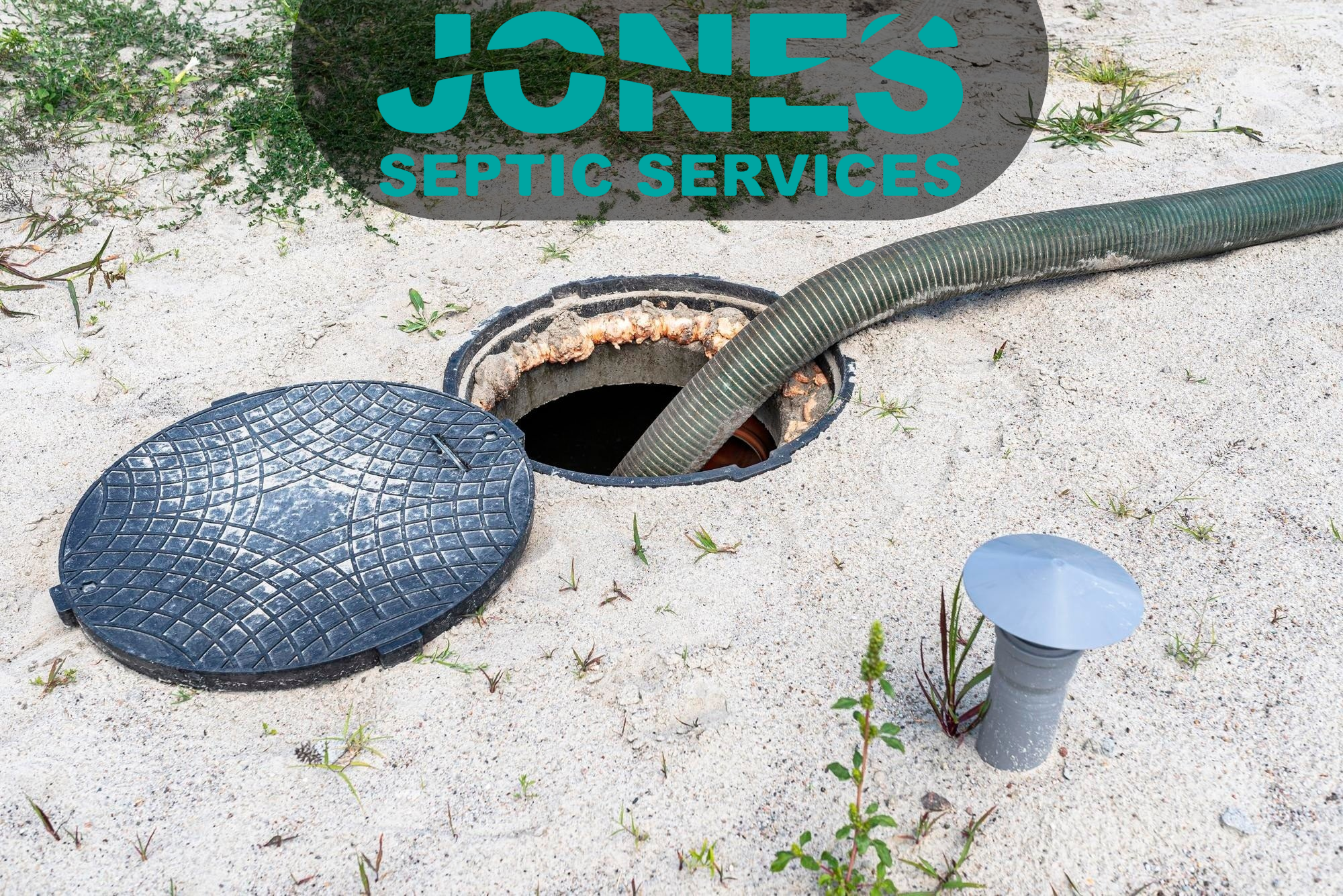
Septic problems don’t wait for spring, and neither do we. We’re always available to assess your property’s septic needs, even in the dead of winter. Our trained crews are on standby with a fully equipped fleet, ready to handle emergencies in snow, ice, or subzero temperatures.
We use industry-grade thawing equipment for frozen lines, heated service vehicles, and advanced diagnostic tools to quickly locate and fix issues without excessive digging or delay. Whether it’s emergency sewer repairs, pump-outs, or even new installations, we respond fast, because we know every minute counts when temperatures are below freezing.
Water Line Protection
Winter isn’t just tough on septic systems, it’s also hard on water lines. As temperatures drop, unprotected or aging water lines are at high risk of freezing, cracking, or bursting. When that happens, the consequences go beyond plumbing issues. Leaks or bursts can cause water to seep into septic tanks, disrupting the delicate balance of the system and increasing the risk of backups, slow drains, or even complete system failure due to hydraulic overload.
Our team understands the connection between water infrastructure and septic health, especially in colder months. That’s why we offer comprehensive water repairs and installations designed specifically for winter resilience. Whether you’re dealing with a small residential issue or planning a large-scale upgrade, we use materials that are insulated, freeze-resistant, and built to last.
We help prevent costly winter damage by:
- Replacing worn or outdated lines with modern, winter-rated materials
- Identifying vulnerable connections before they fail
- Installing new water lines with proper depth and insulation to protect against frost
- Ensuring water flow remains stable and uncontaminated through the coldest months
By proactively upgrading your water lines before severe weather hits, you safeguard not only your plumbing but also your entire septic system. With the right approach, you can avoid expensive emergency repairs and keep everything running smoothly all winter long.
Portable Toilet Rentals for Cold Weather Events
Cold weather doesn’t stop outdoor work or events, and neither do we. Our portable toilet rentals are built to perform even in the harshest winter conditions, making them the ideal choice for a wide range of cold-weather projects and gatherings across Dutchess County.
From icy job sites to snowy festival grounds, we ensure that every unit is delivered clean, winterized, and ready to use. Our portable restrooms are engineered for insulation and equipped with treatments that prevent freezing, keeping them functional and sanitary throughout the season.
Here are just a few of the common uses for our portable toilet rentals in winter:
- Construction crews working through winter months need reliable restroom access that won’t freeze or overflow.
- Winter festivals and seasonal markets require guest-friendly amenities that are clean, accessible, and winter-ready.
- Emergency response sites benefit from fast delivery and rugged units that can withstand cold, snow, and high usage.
We also offer ADA-compliant units and handwashing stations to meet public health standards and provide comfort for every guest or worker, no matter the weather. All our rentals are regularly cleaned, maintained, and positioned for accessibility even in snowy conditions, with 24/7 support available in case of emergencies.
If you’re planning an outdoor event or managing a winter job site, don’t overlook the importance of quality portable sanitation. Trust our team to provide the reliable, cold-weather-ready solutions you need.
Planning Ahead: New Septic Installations for Next Spring
If your system is aging or underperforming, winter is a good time to plan a Dutchess County NY Septic Tank Installation for spring. While the ground may be frozen now, the off-season gives us a valuable window to assess your property’s unique needs and start designing a system that will serve you reliably for years to come.
Planning ahead means no rushed decisions, no emergency replacements, and no surprise issues when the ground thaws. By starting now, we can evaluate your soil composition, assess the water table, and analyze usage requirements, factors that are critical to the long-term performance of any septic system. A properly designed setup will not only improve day-to-day function but also minimize environmental risks and maintenance costs down the line.
When you schedule a Dutchess County NY Septic Tank Installation in advance, you also get access to early spring scheduling before our calendar fills up. This ensures your installation happens under optimal conditions, with plenty of time to address permits, system engineering, and any needed site preparation.
With winters in our region becoming more unpredictable, investing in a system built to withstand both deep freezes and heavy summer usage is more important than ever. Whether you’re replacing an old tank or building a new home, we’ll help you design a septic solution that meets all local codes and keeps your property protected year-round.
Trust Local Experts for Cold Weather Septic Protection
Trust local experts for cold weather septic protection, because when it comes to safeguarding your system during harsh Northeast winters, experience matters. We’ve been helping Dutchess County residents and businesses weather winter septic challenges for decades, and we know exactly what works in our unique climate.
Our team combines hands-on field knowledge with the latest research to deliver solutions that are both practical and reliable. Our recommendations follow best practices from trusted sources like the EPA SepticSmart Program, CDC Onsite Wastewater Treatment, and the New York State Department of Health, ensuring that everything we do is backed by science and tailored for local conditions.
If you’re not sure whether your tank is due for maintenance, or if it’s fully prepared for the coming freeze, now’s the time to check. Wondering whether your tank is due for a pump-out? Let’s talk. We’re here to help you winterize your system, protect your property, and avoid the hassle of mid-winter septic surprises.
Don’t wait until it’s too late. Trust local experts for cold weather septic protection and enjoy peace of mind all season long.
