
Walk down the cleaning aisle of any hardware store in the Hudson Valley and you will find shelves of bottles and packets promising to “supercharge,” “revive,” or “protect” your septic tank. The marketing is persuasive, and for a busy homeowner it can feel reassuring to pour something down the drain once a month and assume the system is being cared for. The science, however, is more complicated than the labels suggest. As septic professionals serving homes across Dutchess County, we field this question constantly, so we want to give you a clear, honest answer about whether these products truly belong in your maintenance routine.
Part of what makes additives so appealing is that they play on a real anxiety. A septic system is buried, invisible, and expensive to repair, so anything that appears to protect it feels worth the few dollars a bottle costs. We understand that instinct completely. But over years of pumping, cleaning, and repairing tanks throughout the Hudson Valley, we have seen very little evidence that a monthly additive changes the outcome for a system, and we have seen plenty of cases where the wrong product made a problem worse. Our goal here is not to sell you anything. It is to give you the same guidance we would give a neighbor asking over the fence.
What Exactly Are Septic Tank Additives?
Septic additives are products you flush or pour down a drain that claim to improve how your tank breaks down waste. They generally fall into two broad categories, and understanding the difference is the first step toward making a good decision for your home.
- Biological additives contain bacteria, enzymes, or yeast. The idea is to boost the microbial activity that digests solids inside your tank.
- Chemical additives use inorganic compounds or solvents intended to dissolve grease, break up scum, or “unclog” a sluggish system.
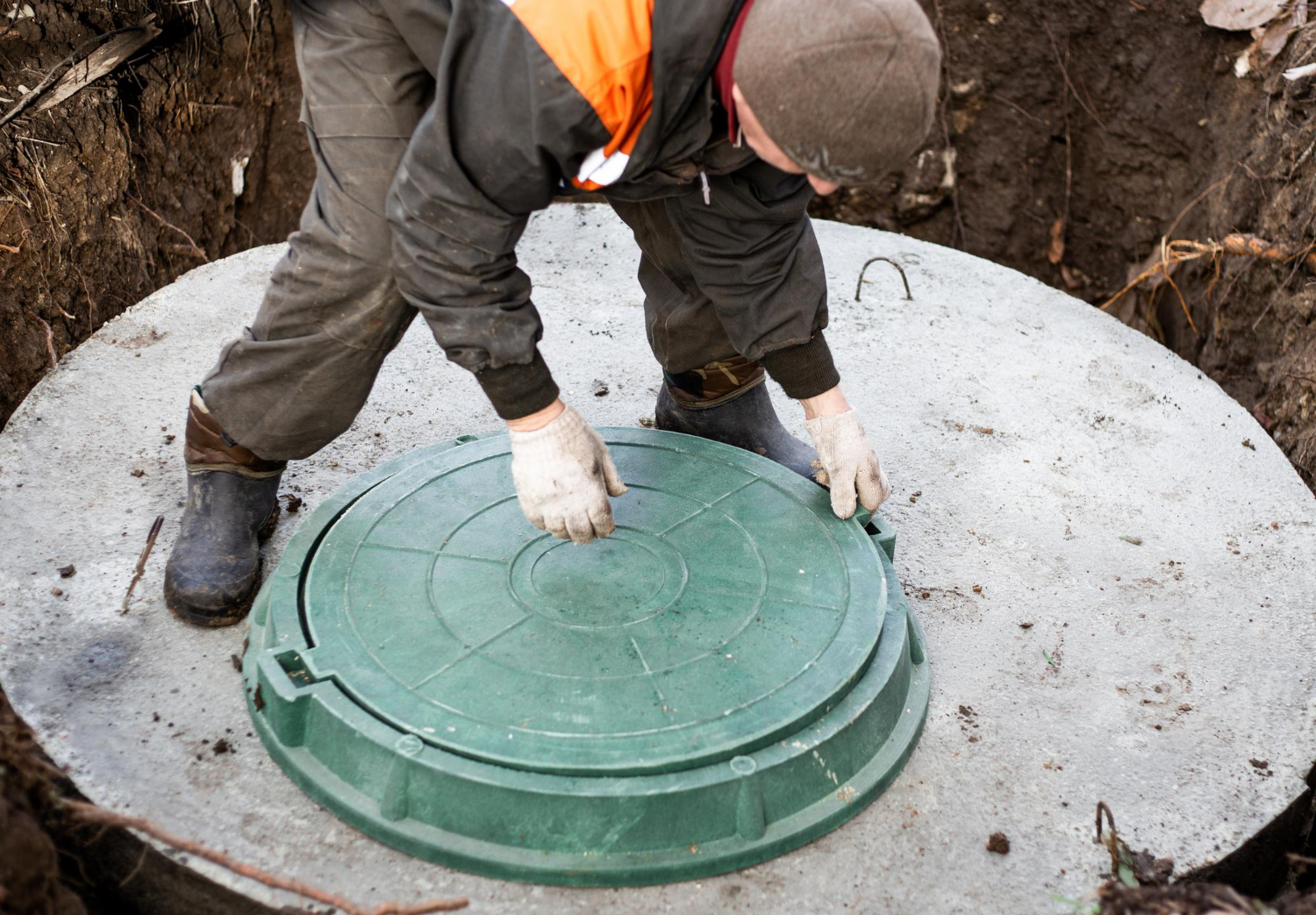
A septic tank is essentially a living ecosystem buried in your yard. Naturally occurring bacteria break down the solid waste that enters the tank, allowing liquids to flow out to the drain field while heavier solids settle at the bottom as a layer called sludge. The core question with any additive is refreshingly simple: does your tank actually need help doing a job it was already designed to do on its own?
How a Healthy Tank Works Without Any Help
Picture your tank as a quiet, patient sorting machine. Wastewater enters from the house, and gravity does most of the work. Grease and light particles rise to form a scum layer on top, clear liquid sits in the middle and flows out to the drain field, and dense solids sink to the bottom. The bacteria living in that environment slowly digest the solids, shrinking them over time. This process has worked reliably for generations without any store-bought help, which is worth remembering the next time a label promises a miracle.
The bacteria that do this work are not exotic. They are the ordinary microorganisms that live in the human gut and travel into the tank with every flush. That is why a tank in daily use almost never runs short of them. The population is constantly refreshed, constantly feeding, and constantly reproducing. When people ask us whether they need to “add bacteria,” we often point out that their household is already doing exactly that, several times a day, at no cost. The tank was engineered around this fact, and a correctly sized tank gives that bacterial colony enough retention time to do meaningful work before the liquid moves on.
Does a Healthy Septic System Need Additives?
For the vast majority of homes, the honest answer is no. A properly functioning septic tank already contains all the bacteria it needs, and that population is replenished naturally every single time your household uses its plumbing. The wastewater from a typical family introduces a steady, self-sustaining supply of microorganisms that keep digestion running.
Independent research, including work referenced by the EPA SepticSmart program, has found little evidence that biological additives meaningfully improve the performance of a healthy system. In plain terms, if your tank is sized correctly, pumped on schedule, and treated with care, you are unlikely to notice any benefit from a monthly additive, no matter how impressive the packaging looks.
What genuinely keeps a system healthy is consistent, professional care. Routine Dutchess County NY Septic Tank Pumping physically removes the sludge and scum that bacteria alone can never fully eliminate, and no bottle on a shelf can replace that mechanical step. Additives cannot pump your tank, and a tank that is never pumped will eventually fail regardless of how many enzymes you add.
It helps to understand the one thing additives fundamentally cannot do. Even in a perfectly balanced tank, bacteria only digest a portion of what arrives. A meaningful fraction of every load is inorganic or simply indigestible: grit, fine mineral solids, the ash-like residue of what bacteria have already consumed, and the fats that resist breakdown. That material has nowhere to go. It settles, compacts, and accumulates year after year. No enzyme dissolves it, and no bacterial culture eats it. The only way it leaves your tank is through a pump truck. This is the quiet reason additives disappoint so many homeowners: they are aimed at a problem that maintenance already handles, while ignoring the buildup that only pumping can remove.
What the “Set It and Forget It” Promise Gets Wrong
The most seductive claim on an additive label is that regular use lets you pump less often, or perhaps never. We want to be direct about this, because we have watched it cost homeowners real money. Stretching a pumping interval on the strength of an additive is one of the most common paths to a failed drain field we encounter. When solids are allowed to build past a safe level because someone believed a product was keeping the tank clean, those solids eventually wash out toward the drain field and clog the soil. At that point the fix is no longer a pump-out. It is a repair, and sometimes a replacement.
Can Additives Actually Harm My Septic System?
This is where caution becomes genuinely important, because some products do more than simply waste your money. Certain chemical additives can cause real, lasting damage. Harsh solvents and degreasers may kill the beneficial bacteria your tank depends on, and once those chemicals travel out to the drain field, they can contaminate the surrounding soil and groundwater.
Warning Signs an Additive May Be Hurting You
- Recurring odors that appear shortly after using a chemical product
- Solids passing into the drain field, which can lead to clogging and premature failure
- A system that seems to “need” more frequent attention rather than less
- Grass over the drain field that suddenly looks stressed, soggy, or unusually lush
Think of it like antibiotics for your body. Used carelessly, they can wipe out the good bacteria along with the bad, leaving the whole system worse off than before. The most damaging additives tend to be the ones marketed as quick fixes for a tank that is actually just overdue for professional service. When the real problem is a full tank, no chemical will solve it, and the wrong one can accelerate an expensive failure.
There is a second kind of harm that is easy to overlook. Some chemical degreasers work by emulsifying the scum layer, turning solid grease into a liquid that flows out of the tank with the effluent. On the surface this looks like success: the scum layer shrinks, the tank seems cleaner. But that grease does not vanish. It travels straight to the drain field, where it coats the soil and gravel and steadily seals off the very surfaces that are supposed to let water percolate away. In our region’s already slow-draining soils, that coating can push a marginal drain field over the edge. What the label sells as cleaning is, in practice, quietly moving the problem downstream to the most expensive component you own.
When Might an Additive Have a Legitimate Role?
To be fair, there are a few narrow situations where a professional might reasonably suggest a biological product. A vacation or seasonal home that sits empty for months may benefit from gently reintroducing bacteria after a long dormant stretch with no incoming wastewater. Similarly, a system recovering after a household course of antibiotics or a heavy dose of bleach might see a short-term benefit from a bacterial boost.
Even in these cases, an additive is a supplement, never a substitute. The foundation of a healthy system is always the same three habits:
- Regular pumping on a schedule matched to your household size
- Careful attention to what goes down the drain
- Periodic professional inspection to catch small problems early
We also see these edge cases more often than you might expect in Dutchess County, precisely because so many properties here are second homes, weekend getaways, and seasonal cabins in the Hudson Valley. A house that goes dark from November to April genuinely does experience a lull in bacterial activity, and a modest biological product can help re-establish the colony when the family returns for the season. Even then, we would rather see that homeowner schedule an inspection and pump-out on the same visit, so the reawakening of the system is supervised rather than left to a bottle. If you are ever unsure whether your specific situation calls for an additive, we are always available to assess your property’s septic needs and give you an honest recommendation rather than a sales pitch. Wondering whether your tank is due for a pump-out instead of a product? Let’s talk.
What Actually Keeps a Septic System Healthy?
Instead of relying on additives, we encourage homeowners to focus on habits and services that genuinely protect the system. Most of these cost little or nothing and deliver far more value than any product on a shelf.
Everyday Habits That Protect Your Tank
- Spread out laundry loads and heavy water use rather than overwhelming the tank in a single day
- Never flush wipes, grease, coffee grounds, or so-called “flushable” products
- Use septic-safe cleaning products in normal amounts
- Keep vehicles, sheds, and heavy equipment off the drain field
- Fix leaky faucets and running toilets promptly to reduce unnecessary water load
That last point deserves emphasis, because it is the habit homeowners most often overlook. A single running toilet can send hundreds of gallons of clean water through your tank every day, hydraulically overloading it and pushing solids out before they have settled. We have opened tanks that looked chronically overworked, only to trace the cause to a silent flapper valve upstairs. No additive on earth would have helped. A fifty-cent part fixed it. When we talk about protecting a septic system, we are usually talking about small, unglamorous choices like this one, made consistently over years.
Professional Services That Do the Heavy Lifting
The most effective “additive” is a maintenance plan. Routine Dutchess County NY Septic Tank Cleaning removes the accumulated material that bacteria cannot break down, resetting your tank to healthy operating conditions. Pairing that with a periodic Dutchess County NY Septic Tank Inspection lets a professional check the baffles, walls, and outlet for early signs of trouble while the tank is accessible. If that inspection turns up a cracked baffle or worn component, a prompt Dutchess County Septic Tank Repair is far cheaper than waiting for the part to fail entirely.
When we open a tank during a routine visit, we are reading it the way a mechanic reads an engine. The relative thickness of the sludge and scum layers tells us how the household is using the system and whether the pumping interval is well matched to real demand. The condition of the baffles tells us whether solids are being properly retained. Signs of high-water staining tell us whether the tank is being hydraulically overloaded. None of that information is available from the surface, and none of it can be gathered by pouring a product down a drain. This is the practical difference between managing a system and merely hoping it is fine.
What About Homes Considering a New or Upgraded System?
Some homeowners reach for additives because they suspect their system is simply too old or too small to keep up with the household. If your tank is undersized for a growing family, or the drain field is nearing the end of its life, no amount of enzymes will change the underlying math. In those situations, a professional evaluation, and sometimes a Dutchess County NY Septic Tank Installation, addresses the real problem rather than masking it. Guidance from the CDC on onsite wastewater treatment reinforces that a correctly sized, well-maintained system is the true foundation of safe wastewater management, and New York State Department of Health septic guidelines echo the same priority on proper design and upkeep.
This situation is more common than it sounds. A tank sized for a two-person household in the 1980s may now serve a family of five with a finished basement, two extra bathrooms, and a high-efficiency washing machine running most days. The original engineering was sound; the demand simply outgrew it. When a homeowner in that position starts buying additives, they are treating a capacity problem as if it were a bacterial one. The honest answer is often that the system is working exactly as designed, and the design no longer fits the house. Recognizing that early, through an inspection rather than a product, gives a family the chance to plan an upgrade on their own timeline instead of during an emergency.
Why Local Conditions Make Maintenance Matter More Than Products
Dutchess County and the wider Hudson Valley present a particular set of challenges. Our region’s dense, clay-rich, and rocky soils drain slowly, which means drain fields here already work harder than those in sandy regions. A slow-draining field has far less tolerance for the extra solids or chemical stress that a poorly chosen additive can introduce. Cold winters add another layer, since frozen ground can mask early symptoms until spring.
Winter deserves special mention for anyone weighing additives against maintenance. When the ground freezes, a struggling drain field cannot shed water the way it does in summer, and problems that would announce themselves as a wet spot in July can stay hidden under snow until a March thaw. Homeowners sometimes respond to sluggish winter drains by dosing the system with a product, hoping to “wake it up.” In our experience that rarely helps and occasionally hurts, because the underlying issue is usually saturated or frozen soil, not tired bacteria. The reliable move is to pump before winter sets in, so the tank enters the cold season with maximum capacity and minimum risk of an over-winter backup.
All of this points to the same conclusion. In our soils, the reliable path to a long-lived system is disciplined maintenance, not a monthly product. A tank that is pumped on schedule, inspected regularly, and treated gently will outlast one that is neglected and dosed with additives every year.
A Simple Rule of Thumb for Homeowners
If you find yourself reaching for an additive, pause and ask a different question first: when was the tank last pumped, and when was it last inspected? Nine times out of ten, the honest answer to a sluggish or smelly system is professional service, not a product. If your system is showing signs of wear, it might be time for an inspection rather than a trip to the hardware store.
Septic additives are not inherently evil, but they are rarely the solution homeowners hope they are. The healthiest, longest-lasting systems in Dutchess County are the ones cared for through consistent pumping, cleaning, and inspection. If you have questions about your own system, or you are simply not sure when it was last serviced, we are always here to take a look and give you a straight answer.
