What Your Septic System Is Actually Doing Every Day
Most homeowners don’t think about their septic system until something goes wrong, and by then, the repair bill is rarely a small one. But here’s the thing: your septic system is working quietly, around the clock, processing every drop of wastewater that leaves your home. The toilet, the dishwasher, the shower, the laundry, it all flows out of your house and into a system that, when properly maintained, handles it safely and efficiently for decades.
We’ve been serving homeowners and commercial property owners across Dutchess County since 1950, and one pattern we see consistently is this: the properties with the lowest long-term septic costs are the ones whose owners treated maintenance as a routine, not a reaction. A well-maintained system doesn’t just function better, it saves you thousands of dollars over time.
In this guide, we want to walk you through how a septic system works, what can go wrong, and exactly how routine care keeps that system, and your budget, in good shape.
How a Septic System Works: The Basics in Plain Language
Think of your septic system as a two-part wastewater treatment process happening right on your property. The first part is the septic tank itself, a buried, watertight container usually made of concrete, fiberglass, or polyethylene. When wastewater flows into it, solids settle to the bottom (forming sludge), fats and oils float to the top (forming scum), and the liquid in the middle (called effluent) flows out.
The second part is the drain field, also called a leach field. The effluent travels from the tank through a network of perforated pipes buried in gravel trenches. As it slowly seeps into the soil, naturally occurring bacteria filter out harmful pathogens before the water reaches the groundwater table.
This system works beautifully when it’s healthy. But it’s not invincible. Sludge builds up, pipes get blocked, drain fields become saturated, and tanks can crack. That’s where regular maintenance, and knowing when to call a professional, makes all the difference.
According to the EPA’s SepticSmart program, the most important factor in extending the life of a septic system is routine care, particularly regular pumping and inspections. Their guidelines recommend that most household systems be inspected every three years and pumped every three to five years, depending on usage.
The True Cost of Ignoring Your Septic System
Let’s put some real numbers on this. A routine pump-out typically costs a few hundred dollars. A drain field replacement can cost anywhere from $3,000 to $15,000 or more, depending on the size of the property and the complexity of the installation. A full septic system replacement can run $10,000 to $30,000 in the Hudson Valley.
We’re not sharing those numbers to alarm you, we’re sharing them because they illustrate a simple truth: preventive maintenance is almost always the less expensive path. The small, scheduled investment you make in your system every few years is what keeps you from facing those larger, unexpected costs.
For commercial property owners, the stakes are even higher. A septic failure at a business, rental complex, or event venue doesn’t just cost money, it can mean health code violations, operational shutdowns, and liability issues. Routine care protects your bottom line in ways that are hard to quantify until you’re faced with the alternative.
Septic Tank Pumping: The Foundation of System Health
Why Pumping Is Non-Negotiable
Every septic tank fills up over time. The sludge layer at the bottom grows slowly but steadily, and once it gets too deep, it begins to push into the effluent layer and eventually into the drain field. When that happens, solid waste clogs the soil and causes the drain field to fail, a process that is expensive and disruptive to reverse.
Regular Dutchess County NY Septic Tank Pumping removes that accumulated sludge before it reaches the danger zone. When we pump a tank, we’re not just removing waste, we’re resetting the clock on your system’s health and preventing the chain reaction of problems that follow an overloaded tank.
How Often Should You Pump?
The right interval depends on several factors:
- Household or facility size (more people = more wastewater)
- Tank capacity (tanks range from 750 to 2,500+ gallons)
- Water usage habits
- Whether a garbage disposal is in use (disposals add significant solids)
Most residential households in our area need pumping every three to five years. Larger families or properties with high water usage may need it more frequently. If you’re unsure where your tank stands, that’s exactly the kind of question we’re happy to answer, just give us a call and we’ll walk through it with you.
The Importance of Clean Pipes: Snaking and Maintenance
What Pipe Blockages Really Mean
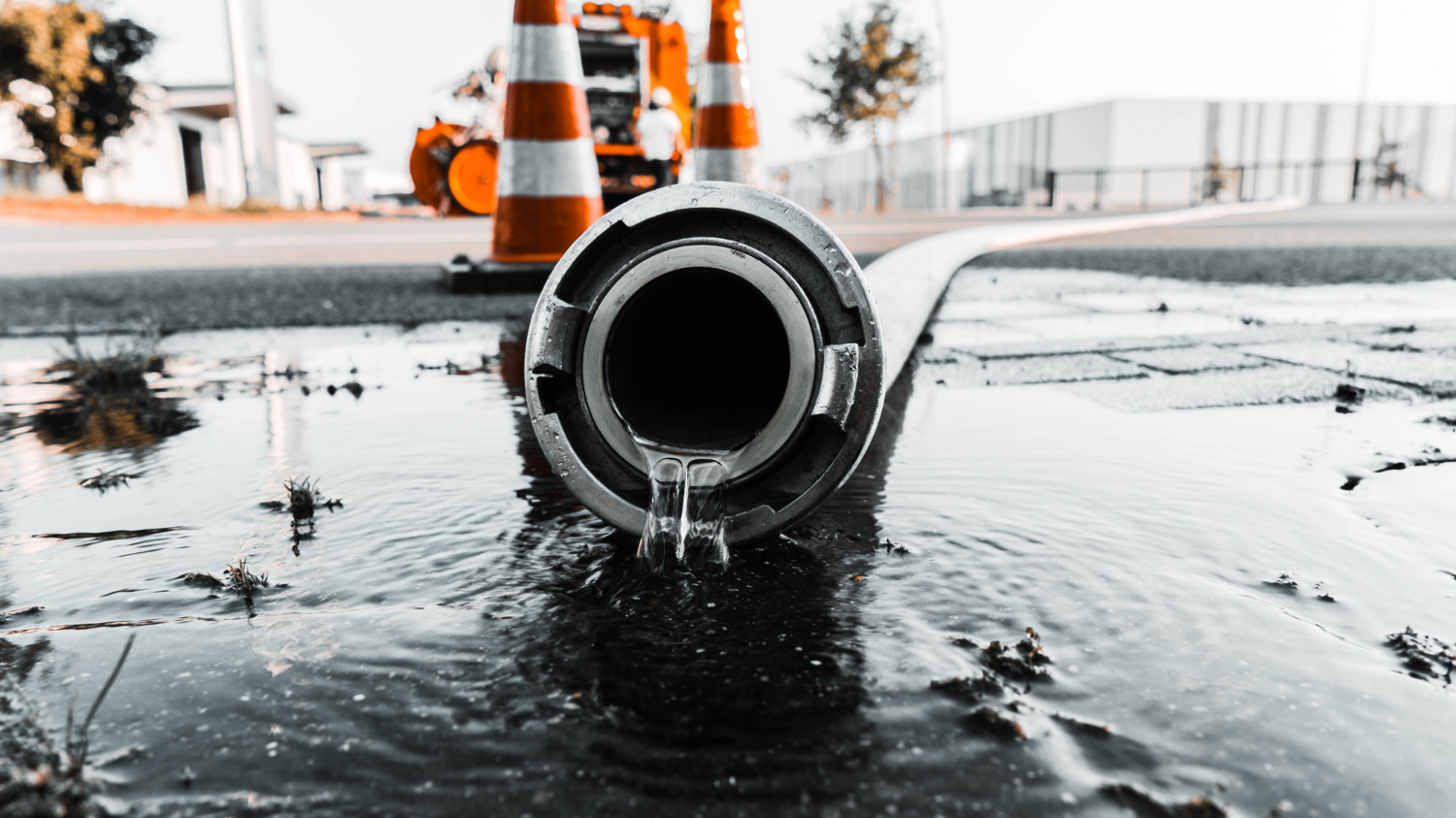
A slow drain isn’t just an inconvenience, it’s often the first warning sign of a deeper issue. Grease, soap scum, hair, and non-flushable materials can accumulate inside the pipes that connect your home to the septic tank. Over time, these buildups restrict flow, create pressure on the system, and can eventually cause sewage to back up into your home.
Pipe snaking and cleaning is a targeted service that clears those blockages using mechanical equipment that extends deep into the pipe to dislodge and remove obstructions. It’s a highly effective, non-invasive solution for restoring proper flow without digging up your yard.
What to Avoid Putting Down the Drain
Prevention is a big part of pipe health. Some of the most common culprits we see include:
- “Flushable” wipes (they are not actually septic-safe)
- Grease, oils, and fats poured down kitchen drains
- Coffee grounds and food scraps
- Medications (which can also harm the beneficial bacteria in your tank)
- Harsh chemical drain cleaners (these kill the good bacteria your system relies on)
Educating everyone in your household about these habits is genuinely one of the most cost-effective things you can do for long-term septic health.
Septic Tank Cleaning: More Than Just Pumping
What’s the Difference Between Pumping and Cleaning?
This is one of the most common questions we hear. Pumping removes the liquid and floating waste from a tank. Cleaning goes a step further, it involves removing the hardened sludge layer and rinsing the interior of the tank to eliminate residue that pumping alone won’t fully address.
Dutchess County NY Septic Tank Cleaning is recommended periodically to keep the internal components of the tank, including baffles, which direct flow and prevent solids from exiting, in good condition. Baffles can deteriorate over time, and a thorough cleaning allows us to inspect them and catch any issues early.
A clean tank is also a more efficient tank. Residue buildup on the walls and around the inlet and outlet pipes can impair the biological processes that make your system work. Keeping the interior clean supports the beneficial bacteria colonies that break down waste naturally.
Drain Field Repairs and Installations: Protecting the Heart of Your System
How Drain Fields Fail, and What You Can Do
The drain field is perhaps the most vulnerable part of any septic system. When it’s healthy, it quietly does its job. When it starts to fail, the signs can escalate quickly:
- Soggy or spongy ground above the drain field, even in dry weather
- Unpleasant odors near the field or around the property
- Sewage backing up into drains inside the home
- Unusually lush, green grass over the drain field area (a sign of effluent surfacing)
Drain field failure can happen for several reasons: sludge overflow from an overdue tank, soil compaction from vehicles or heavy equipment driven over the area, root intrusion from nearby trees, or simple aging of the system. The New York State Department of Health publishes guidelines on proper septic system maintenance and usage that are worth reviewing for any property owner in our region.
When Repair vs. Replacement Makes Sense
Not every drain field problem requires full replacement. Sometimes, targeted repairs to specific pipes or sections of the field are all that’s needed. Other times, particularly when the soil itself has become saturated or the system has fundamentally failed, a new installation is the right long-term solution.
We approach every drain field situation by assessing what’s actually happening before recommending a path forward. Our goal is always to find the most effective and least disruptive solution for your property.

Septic System Inspections: Catching Problems Before They Cost You
What a Professional Inspection Covers
An inspection is more than a quick look at the access lid. When we perform a Dutchess County NY Septic Tank Inspection, we examine the entire system: the tank’s structural integrity, the condition of inlet and outlet baffles, the liquid level inside the tank, the state of the drain field, and the connecting pipe network.
We check for:
- Cracks or leaks in the tank walls
- Root intrusion into pipes or the tank itself
- Evidence of backflow or improper drainage
- Scum and sludge levels that indicate a pump-out is needed
- Any signs of system stress that could lead to failure
Following the inspection, we provide you with a clear report of what we found, what’s in good shape, and what, if anything, needs attention.
Inspections for Real Estate Transactions
If you’re buying or selling a home in Dutchess County with an existing septic system, a certified inspection is essential. Buyers deserve to know the condition of the system they’re inheriting. Sellers benefit from addressing any issues proactively, rather than having them surface as deal-breakers at closing.
Real estate agents and contractors in our area frequently rely on us to conduct pre-sale inspections that satisfy both parties and keep transactions moving forward. If your system shows signs of wear or hasn’t been inspected in years, it’s worth scheduling one before the property goes to market.
Septic Tank Installation: Getting It Right From Day One
Why Installation Quality Determines Long-Term Cost
A septic system is only as good as its installation. Poorly placed tanks, incorrectly sized systems, improperly graded drain fields, these mistakes create problems that compound over time and cost far more to fix than they would have to prevent.
Dutchess County NY Septic Tank Installation requires permits, soil testing, and adherence to New York State environmental regulations. We manage that entire process, from the initial site assessment through the final installation and inspection, ensuring your system is built to last and compliant with all applicable codes.
Whether you’re building a new home, adding a structure to an existing property, or replacing a failed system, the installation process is one area where cutting corners creates serious long-term risk. We’ve seen the results of improperly installed systems firsthand, and we can tell you without reservation: doing it right the first time is always the better investment.
Septic Tank Repair: Addressing Problems Before They Escalate
Common Repairs We Handle
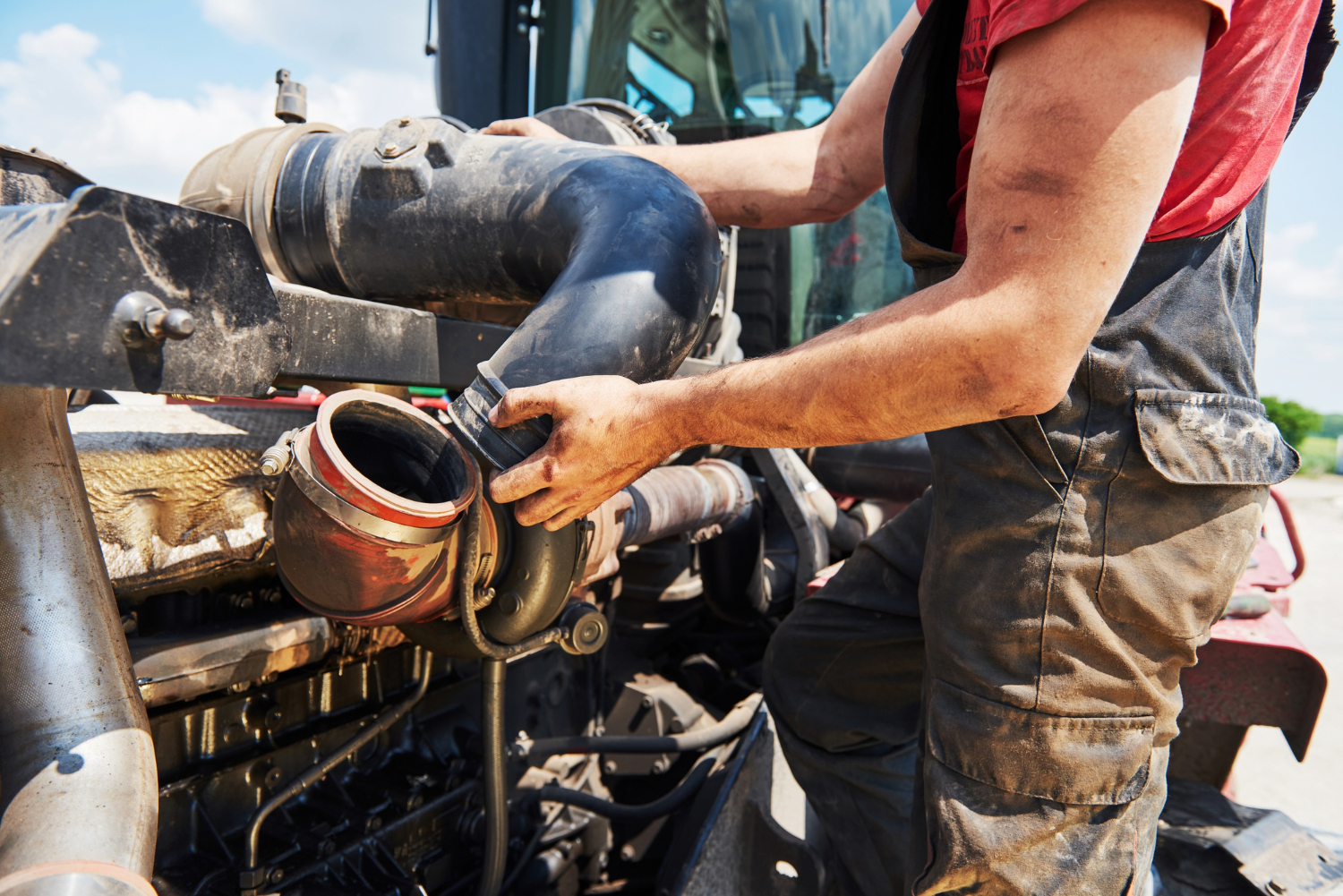
Septic systems, like any infrastructure, experience wear over time. Cracks can develop in concrete tanks due to soil shifting or aging materials. Baffles corrode or break. Pipes crack, collapse, or become disconnected. Risers, the vertical extensions that allow access to the tank from the surface, can deteriorate and fail.
Dutchess County Septic Tank Repair is most effective when caught early. A small crack in a tank wall, if left unaddressed, allows groundwater to infiltrate the tank and wastewater to leak out, neither of which is safe or legal. Regular inspections are what make early detection possible.
Signs Your System May Need Repair
Watch for these warning signs between scheduled maintenance visits:
- Multiple drains in your home are slow simultaneously
- You hear gurgling sounds from drains or toilets
- There’s a persistent sewage odor inside or outside the home
- The ground near the tank or drain field is consistently wet
- Your water bill has increased without a clear explanation
If any of these ring familiar, it’s worth having a professional assess the system. We’re always available to evaluate what’s happening and help you understand your options clearly.
Sewer and Water System Repairs: Beyond the Tank
When the Problem Isn’t the Septic System
Not every plumbing issue originates with the septic tank. Sewer line damage, caused by root intrusion, ground shifting, corrosion, or age, can create backups and failures that mimic septic system problems. Water line issues, including leaks and pressure loss, affect both home comfort and long-term property integrity.
We handle sewer repairs and installations as well as water line repairs and installations for both residential and commercial properties. When the issue is outside the septic system itself, we have the equipment and expertise to diagnose and address it, without sending you to a separate contractor for a second appointment.
Portable Toilet Rentals for Construction and Events
Property owners managing construction projects, large outdoor events, or renovation work often need temporary sanitation solutions that are reliable and well-maintained. Our portable toilet rentals are serviced regularly and delivered and retrieved on your schedule, making logistics one less thing to manage.
For commercial clients managing multi-phase construction or contractors coordinating large job sites, we offer flexible rental arrangements that scale with your project needs.
Practical Maintenance Tips Every Property Owner Should Know
We believe that an informed property owner is a better partner in keeping any system healthy. Here are the habits that make the biggest difference over time:
- Schedule pumping on a regular cycle, don’t wait for signs of trouble
- Know where your tank and drain field are located, avoid parking vehicles or planting trees over them
- Use water efficiently, spacing out laundry loads and avoiding long simultaneous water uses reduces strain on the system
- Keep accurate records, document every service visit, inspection, and repair so you always know where the system stands
- Don’t use chemical drain cleaners, they disrupt the bacterial balance your tank depends on
- Redirect surface water away from the drain field, roof drainage, sump pumps, and rain gardens should not channel water toward your leach field
For additional guidance, the CDC’s resources on onsite wastewater treatment offer science-backed information on system care and public health considerations that are directly relevant to homeowners relying on private septic systems.
What Sets Jones Septic Service Apart in Dutchess County
We’ve been part of this community since 1950. That kind of longevity isn’t built on transactions, it’s built on trust, consistency, and showing up when people need us. Our team is available 24 hours a day, seven days a week, because septic emergencies don’t follow business hours, and a backup at 2 a.m. is just as urgent as one at 2 p.m.
We serve residential homeowners, commercial property managers, real estate agents, contractors, and event organizers across Dutchess County. Whether the job is a routine pump-out or a complex drain field installation, we approach every property with the same care and transparency we’d want for our own homes.
We provide free estimates, straightforward pricing, and honest recommendations. If a system only needs a pump-out, we’ll tell you. If there’s a more serious issue that warrants attention, we’ll explain it clearly and walk you through your options, without pressure and without unnecessary upsells.
Wondering whether your tank is due for a pump-out? Let’s talk. If your system shows any of the warning signs we’ve described, it might be time for an inspection. And if you’re managing a property with a septic system you don’t know the history of, that’s exactly where we’d recommend starting. We’re always available to assess your property’s septic needs and help you build a maintenance plan that protects both the system and your long-term investment.
