The Connection Most Homeowners Don’t Think About Until It’s Too Late
There’s a conversation happening at kitchen tables across Dutchess County that rarely involves septic systems, until it has to. Homeowners spend a lot of time thinking about their roof, their HVAC, their electrical panel. The septic system, buried out of sight in the backyard, tends to stay out of mind until the day something goes wrong.
What surprises many people is how directly a septic system’s condition can affect their homeowner’s insurance, from what’s covered after a loss, to whether a policy stays active at all. We’ve worked with property owners across the Hudson Valley for over 70 years, and we’ve seen firsthand how a neglected septic system can create not just a plumbing crisis, but an insurance one too.
This article is meant to help you understand that connection clearly, so you can make informed decisions about your property and your coverage before a problem forces the issue.
What Homeowner’s Insurance Typically Does, and Doesn’t, Cover
The General Rule: Sudden vs. Gradual
Insurance companies draw a sharp line between two types of damage: sudden and accidental damage versus gradual deterioration. A burst pipe that floods your basement overnight is generally covered. A slow leak that’s been seeping for months, causing structural damage over time, is usually not, because it falls under the category of deferred maintenance, which is the property owner’s responsibility.
Septic systems fall squarely into this framework. If a septic-related event causes sudden, unexpected damage, say, a pipe collapses unexpectedly and sewage backs up into your home, there may be a coverage pathway depending on your policy and any additional riders you’ve purchased. But if your system has been slowly failing because it hasn’t been pumped, inspected, or maintained, and the resulting damage accumulates quietly over time, most standard homeowner’s policies will not cover it.
The logic from an insurer’s perspective is straightforward: the damage was foreseeable and preventable. This is exactly why routine maintenance isn’t just good practice for your system, it’s also documentation that you’re managing your property responsibly.
What Policies Typically Exclude
Most standard homeowner’s insurance policies contain explicit exclusions related to septic systems. Understanding what those exclusions look like helps you know what conversations to have with your insurance provider:
- Damage caused by gradual seepage or leakage from the septic system
- Drain field failure resulting from neglect or overuse
- Costs related to pumping, cleaning, or routine maintenance
- Ground contamination caused by a failing system
- Backup and overflow not covered under a standard policy (this usually requires a separate sewer and drain backup endorsement)
- Structural damage to the tank itself due to age or deterioration
That last category, sewage backup endorsements, is worth highlighting separately, because it’s one of the most commonly misunderstood gaps in coverage.
Sewage Backup Coverage: The Add-On Many Homeowners Don’t Know They Need
What Is a Sewage Backup Endorsement?
A sewage backup endorsement (sometimes called a water backup and sump overflow rider) is an optional addition to a standard homeowner’s policy. It extends coverage to include damage caused by water or sewage backing up through drains, toilets, or sewer lines, events that a base policy typically excludes.
For homes on septic systems, this kind of endorsement is particularly relevant. When a septic tank becomes overloaded or the drain field fails, wastewater has nowhere to go, and it often finds its way back into the home through the lowest drain points. Basement floor drains, laundry room drains, and ground-floor toilets are the most common entry points.
The damage from a sewage backup can be extensive: flooring, drywall, personal property, and in some cases structural materials all require remediation. Without the endorsement, that cost falls entirely on the homeowner.
How Much Does This Coverage Cost?
Sewage backup endorsements are generally inexpensive relative to the protection they provide, often adding only a modest amount to an annual premium. Coverage limits vary by insurer and policy, so it’s worth reviewing yours carefully and asking your agent directly whether your current policy includes this protection.
We’re not insurance agents, and we’d always encourage you to speak with yours for specific guidance. What we can tell you from our work in the field is that the homeowners who are most financially vulnerable after a septic emergency are often the ones who assumed this coverage was included when it wasn’t.
How a Failing Septic System Can Threaten Your Policy Itself
Insurability and the Condition of Your Property
Here’s a scenario that surprises many property owners: a failing or seriously neglected septic system can affect not just what your insurance covers, but whether a company will insure your property at all, or renew your existing policy.
Insurance companies conduct periodic property inspections, particularly when a policy is first issued or renewed. If an inspection reveals a clearly failing septic system, visible sewage surfacing on the lawn, structural damage to the tank, or evidence of drain field failure, the insurer may classify the property as a higher risk. In some cases, this can trigger a policy non-renewal or a requirement to remediate the issue before coverage continues.
For homeowners selling their property, this becomes especially significant. A septic system in poor condition can complicate or delay the sale, affect the appraisal, and raise red flags during the buyer’s due diligence process. We regularly work with real estate agents and attorneys in Dutchess County who rely on certified septic inspections as part of their standard pre-sale process, and the reason is exactly this: a documented, functioning system protects everyone involved in the transaction.
Environmental Liability: A Consideration for Rural Properties
In rural and semi-rural areas like much of Dutchess County, a failing septic system can also create environmental liability exposure. When untreated wastewater leaches into the soil beyond what the system is designed to manage, it can contaminate groundwater and nearby wells. This isn’t just a health concern, it can create legal liability for the property owner, particularly if neighboring properties draw drinking water from wells.
The New York State Department of Health provides guidance on wastewater treatment standards and the obligations that come with owning a property that relies on a private septic system. Understanding those standards is part of responsible property ownership, and part of protecting yourself from liability that insurance may not cover.
The Role of Routine Maintenance in Protecting Your Coverage
Why Documentation Matters as Much as the Work Itself
When an insurance claim involves a septic-related loss, one of the first things an adjuster will ask is: when was this system last serviced? If you can’t answer that question, or worse, if the answer reveals years of deferred maintenance, it creates a difficult situation when trying to establish that the damage was sudden and not the result of neglect.
Keeping records of every service visit, pump-out, inspection, and repair creates a paper trail that supports your position. It demonstrates that you’ve treated the system as the infrastructure it is, not something to ignore until it fails. This documentation can be the difference between a covered claim and a denied one.
Regular Pumping Is Your First Line of Defense
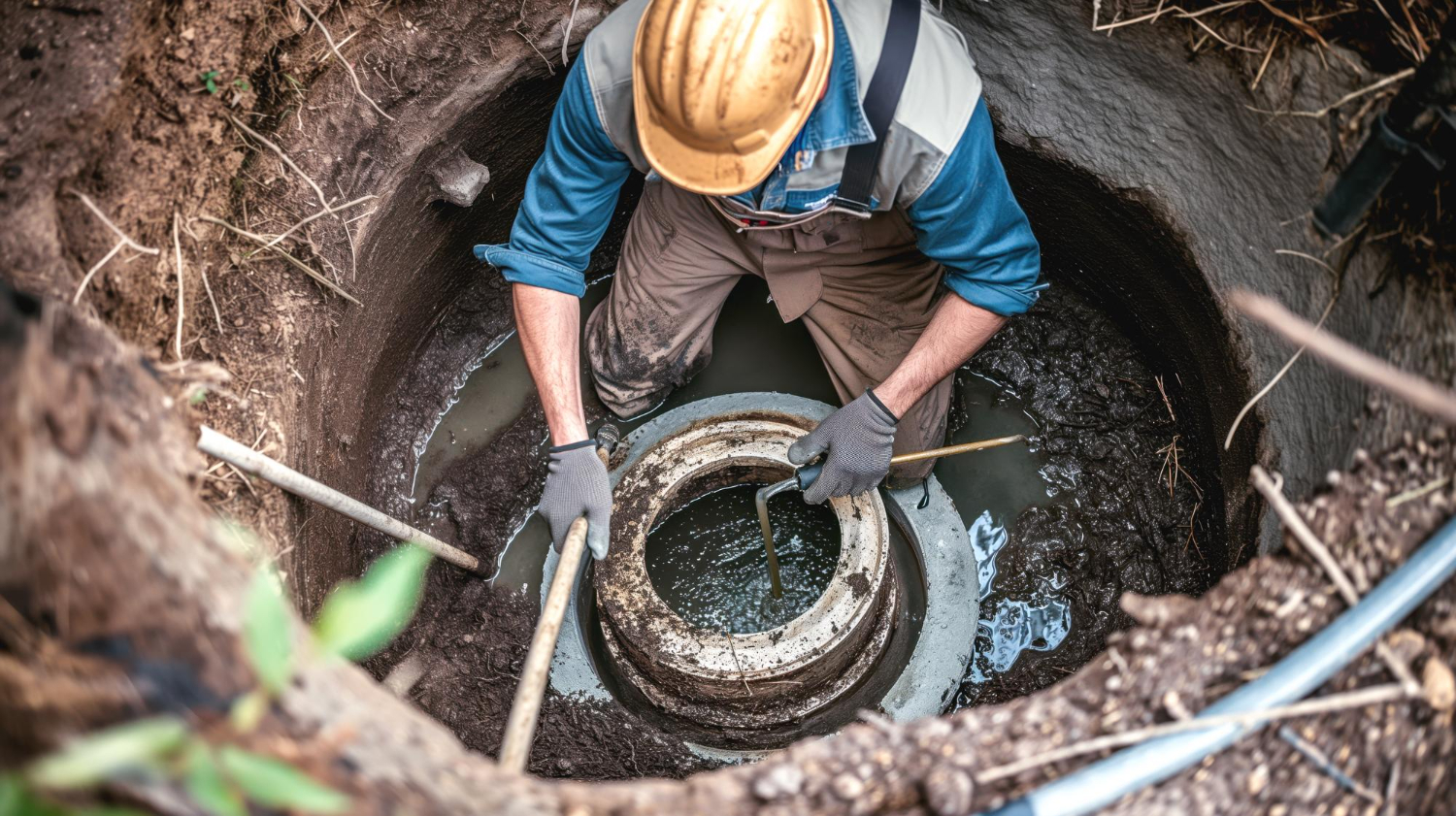
We cannot overstate how much of a difference routine pumping makes in preventing the cascade of issues that lead to insurance complications. Dutchess County NY Septic Tank Pumping removes the accumulated sludge from the bottom of your tank before it overflows into the drain field, backs up into the home, or causes structural stress on the tank itself.
A septic tank is like a filter, and like any filter, it needs to be cleared out regularly to keep doing its job. When sludge levels rise too high, the liquid layer in the tank shrinks, meaning solid particles start flowing out with the effluent into the drain field. Once solids begin clogging the soil in the drain field, the damage is progressive and increasingly expensive to address.
Most residential systems in our area need pumping every three to five years. Higher-occupancy households may need it more frequently. We’re happy to assess your usage patterns and recommend a schedule that fits your specific situation.
Cleaning Keeps the System’s Internal Components Healthy
Pumping alone doesn’t address everything. Over time, residue accumulates on the walls of the tank and around the inlet and outlet baffles, the internal structures that direct the flow of wastewater and prevent solids from exiting the tank prematurely. Dutchess County NY Septic Tank Cleaning goes beyond a standard pump-out to address that buildup and inspect those components directly.
Think of it this way: pumping empties the tank, while cleaning services it. The combination, done on a consistent schedule, keeps the entire system functioning at the level it was designed for, and gives us the opportunity to catch early signs of wear before they become claims-worthy events.
Inspections: Your Best Tool for Understanding What You Own
What a Certified Inspection Actually Reveals
A professional septic inspection is a comprehensive evaluation of every component in your system, not just the tank. When we perform a Dutchess County NY Septic Tank Inspection, we assess the structural condition of the tank, the integrity of the baffles, the liquid and sludge levels, the state of the connecting pipes, and the condition and drainage capacity of the drain field.
What we’re looking for goes well beyond what a homeowner can observe from the surface. Cracks in a concrete tank, corroded baffles, root intrusion in the pipe network, or early signs of drain field saturation are all things that can go undetected for years, quietly worsening until the system fails in a way that causes property damage and puts an insurance claim in question.
Pre-Purchase Inspections Protect Buyers and Sellers
If you’re buying a home with a septic system, a certified inspection before closing is not optional, it’s essential. You’re inheriting the history of that system, and without an inspection, you have no way to know whether the tank is overdue for service, whether the drain field has been compromised, or whether the installation was ever done to code.
Sellers benefit too. A clean inspection report is a meaningful piece of documentation that supports the value of the property and removes a common source of buyer anxiety. For contractors and real estate professionals, having a trusted septic service provider you can refer clients to is part of delivering a complete, credible transaction experience.
If your system shows signs of wear or hasn’t been formally evaluated in several years, it might be time for an inspection. We’re always available to assess your property’s septic needs and provide you with a clear, detailed report.
When Something Goes Wrong: Repairs, Installation, and Acting Quickly
Why Prompt Repairs Limit Both Damage and Liability
When a septic system component fails, the speed of your response matters, both for the property and for any potential insurance considerations. A cracked tank, a collapsed pipe, or a drain field showing signs of failure are situations where delay compounds the problem. Wastewater contaminating soil spreads. Backup events damage more materials the longer they’re left unaddressed. Insurance adjusters do take the timing and nature of your response into account when evaluating a claim.
Dutchess County Septic Tank Repair covers the full range of issues we encounter in the field, from minor structural cracks and baffle replacements to pipe repairs and component upgrades. We approach every repair with the goal of stabilizing the system quickly and thoroughly, because a half-addressed problem tends to resurface at the worst possible moment.
When Repair Isn’t Enough: New Installations Done Right
Some systems, particularly older ones that have experienced significant failure, reach a point where repair is no longer the most practical or cost-effective solution. A full Dutchess County NY Septic Tank Installation, whether replacing a failed system or building new on an undeveloped property, is a significant undertaking that requires proper permitting, soil assessment, and compliance with New York State environmental codes.
Getting the installation right matters enormously for long-term system health, property value, and yes, insurability. A properly installed, permitted, and documented septic system is an asset. An improperly installed system is a liability in every sense of the word. The EPA’s SepticSmart program emphasizes that proper installation and regular maintenance are the two most critical factors in a system’s long-term performance, guidance we’ve seen proven out in decades of field work.
Sewer and Water System Considerations for Commercial Properties
The Stakes Are Higher for Commercial Owners
For commercial property owners, whether managing a rental complex, a restaurant, a retail space, or an event venue, the insurance implications of septic system health are magnified. A sewage event at a commercial property can trigger liability claims from tenants or patrons, health department involvement, and regulatory penalties, in addition to the property damage itself.
Commercial properties also tend to place much higher demands on their septic or sewer systems than residential ones. Higher wastewater volumes, grease from commercial kitchens, and larger numbers of occupants all accelerate wear. Routine maintenance schedules for commercial systems often need to be more frequent than for residential properties, and the consequences of skipping that maintenance are more severe.
We handle sewer repairs and installations for commercial clients alongside our residential services, and we understand the operational pressures that come with managing a business property. When a sewer issue arises, we respond quickly and work to minimize disruption to operations.
Water System Integrity and Its Relationship to Septic Health
Water line repairs and installations are another area where septic and infrastructure health intersect in ways that aren’t always obvious. A water line leak that’s directing excess groundwater toward the drain field, for example, can saturate the soil and impair the field’s ability to process effluent, contributing to system failure without any direct fault in the septic components themselves.
We address water system repairs alongside our septic services because these systems don’t operate in isolation. Understanding how they interact with each other on your property helps us identify root causes rather than just symptoms.
Portable Toilets as a Practical Solution During System Work
Keeping Your Property Functional During Repairs or Installations
If your septic system requires significant repair work or a full installation, your property may need to be without normal plumbing function for a period of time. For homeowners with families, that’s a significant inconvenience. For commercial property owners or event hosts, it can be an operational crisis.
Our portable toilet rentals provide clean, reliable, regularly serviced sanitation options for exactly these situations. Whether you need a single unit for a residential repair or multiple units for a large construction project or outdoor event, we coordinate delivery, maintenance, and pickup on a schedule that works for you. It’s one less logistical challenge during an already demanding time.
Practical Steps You Can Take Right Now
Understanding the relationship between septic system health and insurance coverage points toward a set of concrete actions that protect both your property and your financial exposure:
- Schedule a professional inspection if your system hasn’t been evaluated in more than three years, or if you’ve recently purchased your home and don’t have service records
- Review your homeowner’s policy for sewer and drain backup endorsements, and speak with your agent about any gaps in coverage
- Establish a regular pumping schedule appropriate for your household size and water usage, and document every service visit
- Address repairs promptly rather than monitoring a known issue without acting, delay almost always increases both the cost and the potential for a denied insurance claim
- Keep records of all septic service including dates, scope of work, and the company that performed it
The CDC’s guidance on onsite wastewater treatment is also a valuable educational resource for homeowners who want a deeper understanding of how private septic systems function and what their responsibilities are as system owners.
Building a Maintenance Relationship That Protects You Long-Term
Wondering whether your tank is due for a pump-out? Let’s talk. The most effective thing we can do for any property owner in Dutchess County is help them build a maintenance relationship that keeps their system documented, functional, and defensible, from an operational standpoint and from an insurance one.
We’ve been doing this work since 1950. Our team is available 24 hours a day, seven days a week, because the problems that matter most rarely happen at a convenient time. From routine pump-outs and cleanings to emergency repairs and full system installations, we approach every job with the same commitment to clear communication and thorough, lasting work.
Your septic system is infrastructure. It deserves the same attention and respect you give any other major system in your home. Treated that way, it will protect your property, your health, and your financial wellbeing for decades to come. We’re always available to assess your property’s septic needs, and to help you stay ahead of problems before they become emergencies.
