
If your home sits off the municipal sewer grid here in Dutchess County, your septic system quietly does one of the most important jobs on your property. Yet most of us only think about it when something goes wrong. As folks who have offered professional septic services across the Hudson Valley since 1950, we would rather help you avoid that midnight backup than fix it after the fact. The good news is that a septic system is not complicated to care for. A handful of habits, kept up year after year, will carry you a long way. Good septic maintenance really is mostly a matter of steady routine.
Below are the maintenance tips we share most often with homeowners in Rhinebeck, Hyde Park, Beacon, Fishkill, and right here in Poughkeepsie. None of it is difficult, and all of it saves money.
How Often Should You Pump Your Septic Tank?
A typical household septic tank needs pumping every three to five years, depending on how many people live in the home and how much water you use. Pumping removes the layer of solids that settles at the bottom of the tank; if that layer builds up too high, solids escape into your drain field and clog it, which is the single most expensive septic repair a homeowner can face.
A few things shape your pumping schedule:
- Household size. A busy family of five fills a tank far faster than a retired couple.
- Tank size. Older Hudson Valley homes often have smaller tanks that need more frequent attention.
- Garbage disposal use. Homes that use one heavily may need pumping on the shorter end of the range.
- Whether you run a home business or host lots of guests, which spikes water and waste volume.
If you cannot remember the last time your tank was pumped, it is probably time. Homeowners in the northern part of the county often ask us about septic pumping in Hyde Park, NY, while families to the south lean on our septic pumping in Wappingers Falls, NY. A quick inspection tells us exactly where you stand, and we offer free estimates so there is no guesswork about cost.
What Should You Never Flush or Pour Down the Drain?
A septic tank relies on natural bacteria to break down waste, and the wrong items either kill those bacteria or simply never break down at all. The rule of thumb we give every customer is simple: the only things that belong in your septic system are human waste and toilet paper.
Keep these out of your drains and toilets:
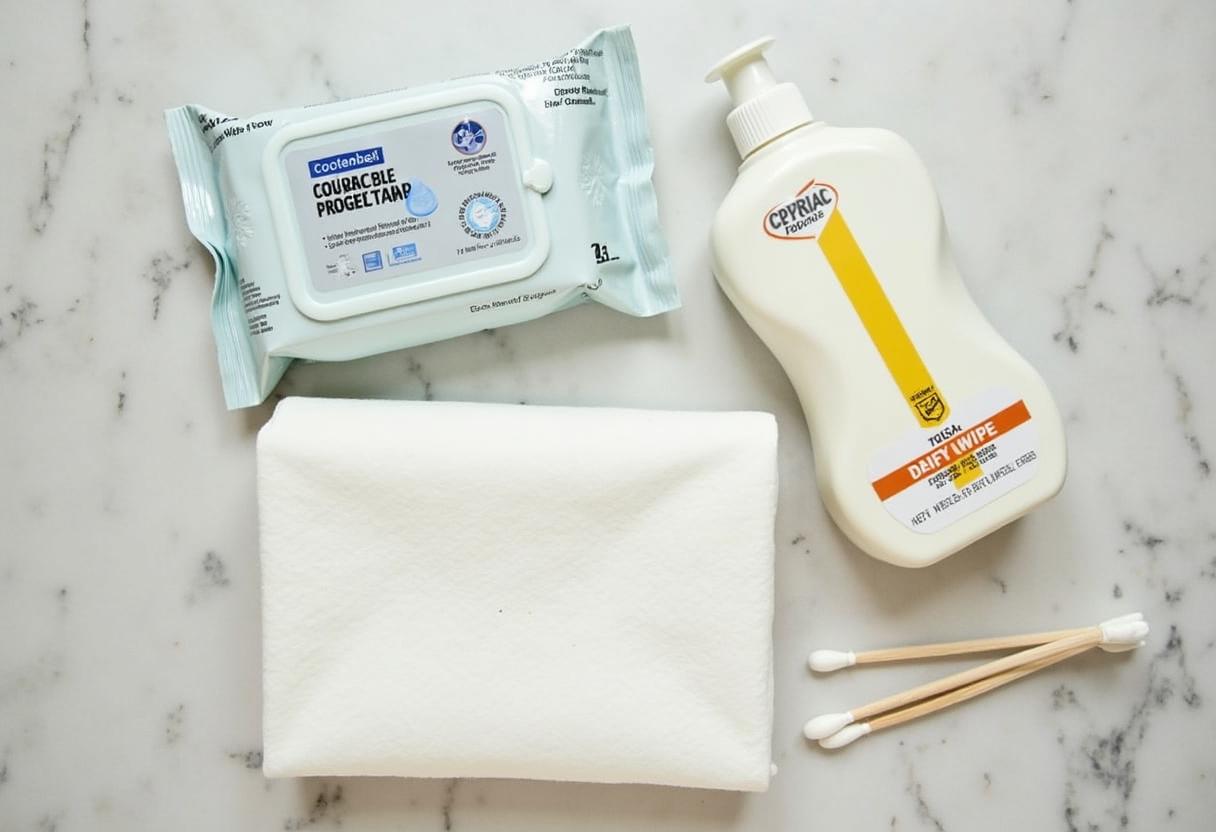
- “Flushable” wipes, paper towels, and facial tissues, which do not disintegrate the way toilet paper does
- Feminine hygiene products, diapers, and cotton swabs
- Cooking grease, fats, and oils, which congeal and coat the inside of pipes
- Coffee grounds, eggshells, and produce stickers
- Paint, paint thinner, solvents, and other harsh chemicals
- Prescription and over-the-counter medications
- Cat litter, even the brands labeled flushable
Grease is a particular troublemaker in older homes around Beacon and Fishkill, so pour it into a can and toss it in the trash instead. When in doubt, throw it out.
Why Does Water Conservation Matter So Much?
Every gallon of water that goes down your drains ends up in your septic system, so conserving water directly reduces the strain on your tank and drain field. Overloading the system with too much water at once does not give solids time to settle, and it can flush them into places they should never go.
Simple ways to lighten the load:
- Spread laundry out across the week rather than running six loads on a single Saturday.
- Fix leaky faucets and running toilets promptly, since a silent leak can waste hundreds of gallons.
- Install high-efficiency showerheads, faucet aerators, and low-flow toilets.
- Run dishwashers and washing machines only with full loads.
- Choose a washing machine with an adjustable load setting so small loads use less water.
These small changes add up quickly, especially in larger households where the system is already working hard.
How Do You Protect the Drain Field?
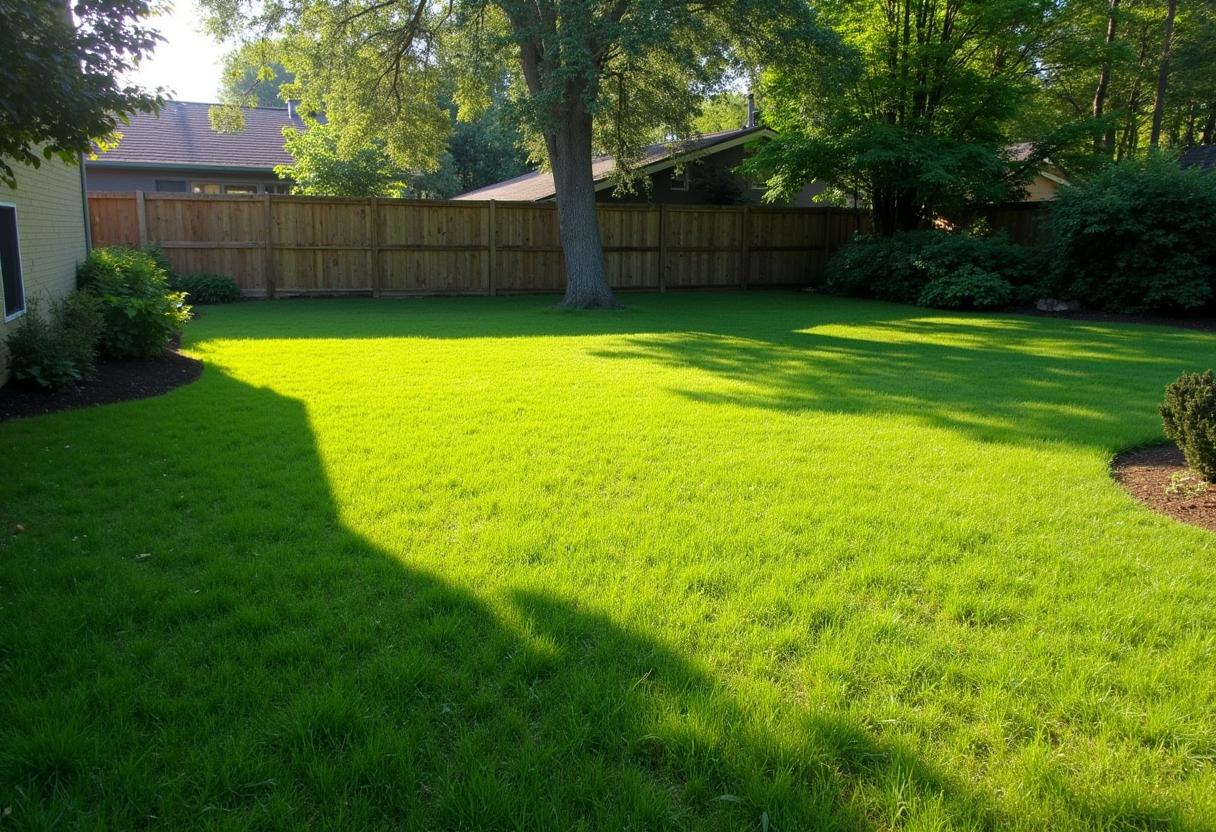
Your drain field, sometimes called the leach field, is where wastewater filters back into the soil, and protecting it is just as important as maintaining the tank itself. This area needs air and healthy soil to do its job, so what happens above ground matters a great deal.
To keep your drain field healthy:
- Never park or drive vehicles over it. The weight compacts the soil and can crush the pipes below.
- Keep it clear of structures. Sheds, patios, and above-ground pools do not belong on top of a drain field.
- Plant only grass over it. Tree and shrub roots from a nearby Rhinebeck maple will seek out the moisture and invade the lines.
- Divert runoff away. Route roof gutters, sump pumps, and driveway drainage elsewhere so the field is not flooded.
- Watch for warning signs like soggy ground, bright green patches of grass, or foul odors, which often mean trouble below.
If you notice standing water or smells near the field, do not wait. Catching a problem early is almost always cheaper than replacing a failed field. For more on how these systems work, the U.S. EPA’s SepticSmart program is a plain-language resource we recommend to homeowners.
Are Garbage Disposals Safe for Septic Systems?
Garbage disposals are not off-limits with a septic system, but heavy use significantly increases the amount of solids your tank has to handle. Every bit of food waste you grind up is one more thing the bacteria have to break down, and much of it never fully does.
If you have a disposal and want to keep it:
- Use it sparingly, and scrape most food scraps into the trash or a compost bin instead.
- Never put fibrous foods like celery, corn husks, or onion skins down it.
- Keep grease and starchy items such as pasta and rice out of it entirely.
- Expect to pump your tank more often if the disposal sees daily use.
Many Hudson Valley homeowners we work with simply keep a compost pile going, which eases the load on the septic system and rewards the garden at the same time.
What Winter Septic Care Does the Hudson Valley Need?
Our Hudson Valley winters are cold enough that an underused or poorly insulated septic system can freeze, which stops it from working until it thaws. A frozen line or tank is a real risk during a stretch of single-digit nights in Poughkeepsie or Hyde Park, but a little preparation prevents most problems.
Before and during the cold months:
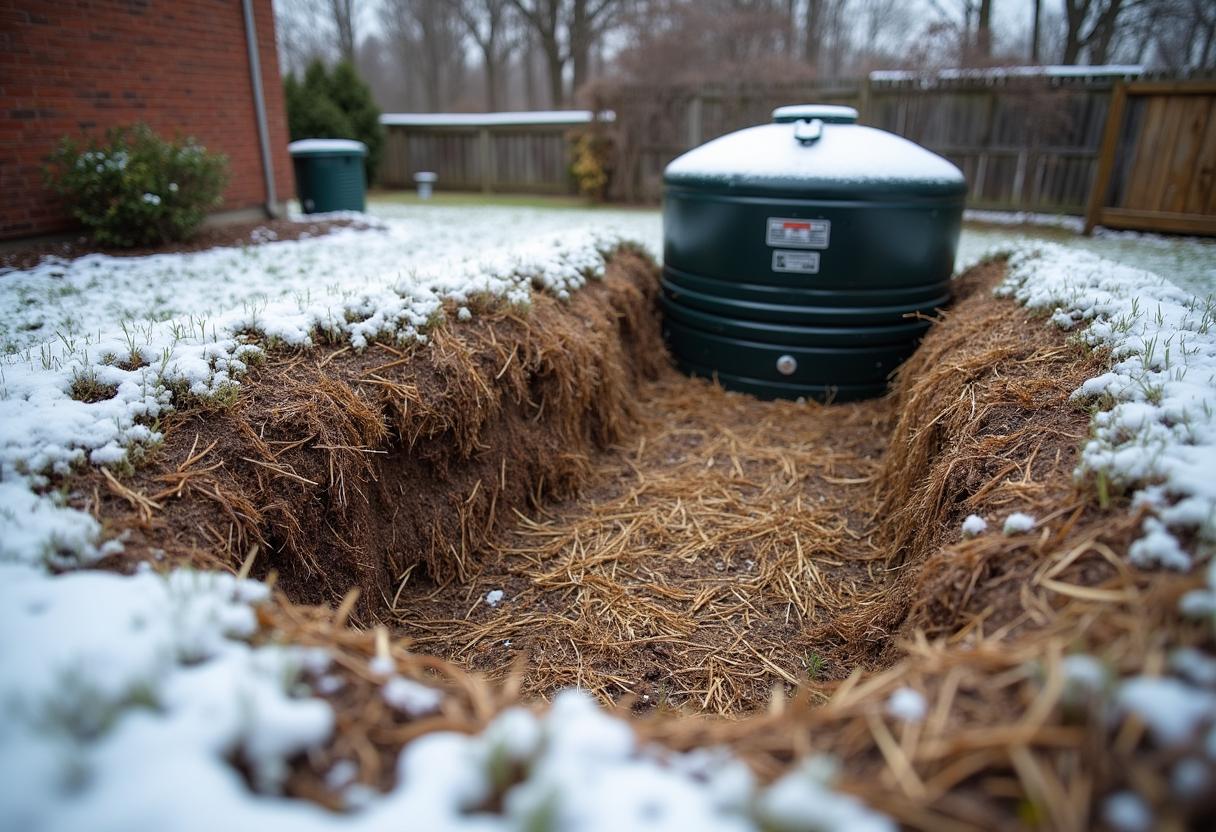
- Add a layer of insulation over the tank and drain field, such as a thick blanket of mulch, straw, or leaves laid down in the fall before the ground freezes.
- Let the grass grow a little longer over the system in late autumn for extra natural insulation.
- Fix dripping fixtures, because a slow drip can freeze inside the pipes.
- Use warm water regularly if the home will sit empty, or have someone check in, since a vacant house with no flow is far more likely to freeze.
- Never pour antifreeze or salt into the system to prevent freezing, as both harm the bacteria your tank depends on.
If you do suspect a frozen system, skip the DIY heaters and give us a call. We are available 24/7, and we would rather talk you through it than have you damage the tank.
Why Should You Keep Septic Records?
Keeping a simple written record of every pumping, inspection, and repair is one of the easiest ways to protect both your system and your home’s resale value. When you know your history, you can spot patterns, plan ahead, and hand a clear picture to the next owner.
A good record includes:
- The date of each pumping and who performed it
- Inspection findings and any repairs made
- The location and size of your tank and drain field
- Any permits or as-built drawings for the system
New York State takes onsite wastewater seriously, and the New York State Department of Health offers guidance on system standards worth knowing as a homeowner. Keeping your own file alongside that guidance means you are never caught guessing. As a family septic company serving the Hudson Valley, we are always glad to keep a copy of your service history on file for you, too, so you have a record you can request anytime.
Let’s Keep Your System Running for Decades
A well-maintained septic system can serve a Hudson Valley home for a very long time, and none of the habits above take much effort once they become routine. Pump on schedule, mind what goes down the drain, protect the drain field, and keep good notes.
When you are ready for a pumping, an inspection, or just a straight answer, contact Jones Septic Services or call us anytime at (845) 452-1123. We have been keeping Dutchess County homes running smoothly since 1950, we serve Rhinebeck, Hyde Park, Beacon, Fishkill, and all of the Hudson Valley, and our estimates are always free.
Frequently Asked Questions
How often should you pump a septic tank in the Hudson Valley?
Every three to five years for a typical household, depending on how many people live in the home and how much water you use. Older Hudson Valley homes often have smaller tanks that need more frequent attention. If you cannot remember your last pumping, it is probably time.
What should you never flush or pour down the drain on a septic system?
Only human waste and toilet paper belong in a septic system. Keep out flushable wipes, paper towels, feminine products, diapers, cotton swabs, cooking grease and oils, coffee grounds, eggshells, paint and solvents, medications, and cat litter, even the flushable kind.
How do I protect my drain field?
Never park or drive over it, keep sheds, patios, and pools off it, plant only grass over it so roots do not invade the lines, divert roof and driveway runoff away from it, and watch for soggy ground, bright green patches, or odors that signal trouble below.
Are garbage disposals safe for septic systems?
They are not off-limits, but heavy use adds a lot of solids the tank must handle. Use it sparingly, scrape most scraps into the trash or compost, keep fibrous foods and grease out, and expect to pump more often if the disposal runs daily.
How do I protect my septic system in Hudson Valley winters?
Insulate the tank and drain field with mulch, straw, or leaves before the ground freezes, let the grass grow longer over the system in late fall, fix dripping fixtures, keep warm water flowing if the home sits empty, and never pour antifreeze or salt into the system.
Why keep septic service records?
A written record of every pumping, inspection, and repair protects your system and your home’s resale value. Note the dates, who performed the work, findings and repairs, and the location and size of your tank and drain field. Jones Septic keeps a copy on file for you too.
