
A septic system is easy to forget about until something goes wrong. It sits quietly underground, doing its job day after day, and most of the time it asks nothing of you. But a septic system almost always warns you before it fails completely, and learning to read those warnings is one of the most valuable skills a homeowner can have. At Jones Septic Services, we have been caring for septic systems across Dutchess County and the Hudson Valley since 1950, and we have seen how often a small, inexpensive fix could have prevented a messy, expensive emergency. The earlier you catch a problem, the more choices you have and the less you tend to pay.
The good news is that the warning signs are usually recognizable once you know what to look for. Below, we walk through the most common signals your system may be sending, what each one might mean, which ones count as emergencies, and why acting quickly protects both your wallet and your property.
What Are the Most Common Warning Signs?
Most septic problems announce themselves through a handful of familiar symptoms that show up inside and outside your home. Here are the warning signs worth watching for:
- Slow drains throughout the house. When sinks, tubs, and showers all empty sluggishly at the same time, the problem is often in the septic system rather than a single clogged pipe.
- Gurgling sounds from drains or toilets. Bubbling or gurgling noises suggest that air and waste are struggling to move through a system that is backing up or filling up.
- Sewage odors indoors or outdoors. A persistent smell near drains, over the tank, or across the yard means gases that should stay contained are escaping.
- Wet, soggy, or unusually lush patches over the drain field. Ground that stays damp, spongy, or greener than the grass around it can indicate that partially treated wastewater is surfacing.
- Backups into sinks, tubs, or toilets. Wastewater rising into the lowest drains in your home is one of the clearest and most urgent signs of trouble.
- High water levels in the septic tank. If the liquid sits above the normal outlet level when the tank is inspected, waste is not flowing out to the drain field the way it should.
Any one of these signs is worth a closer look, and more than one at a time usually means it is time to call a professional. Our range of septic services for Hudson Valley homeowners covers each of these situations, from inspection to pumping to repair.
Why Are My Drains Slow and Gurgling?
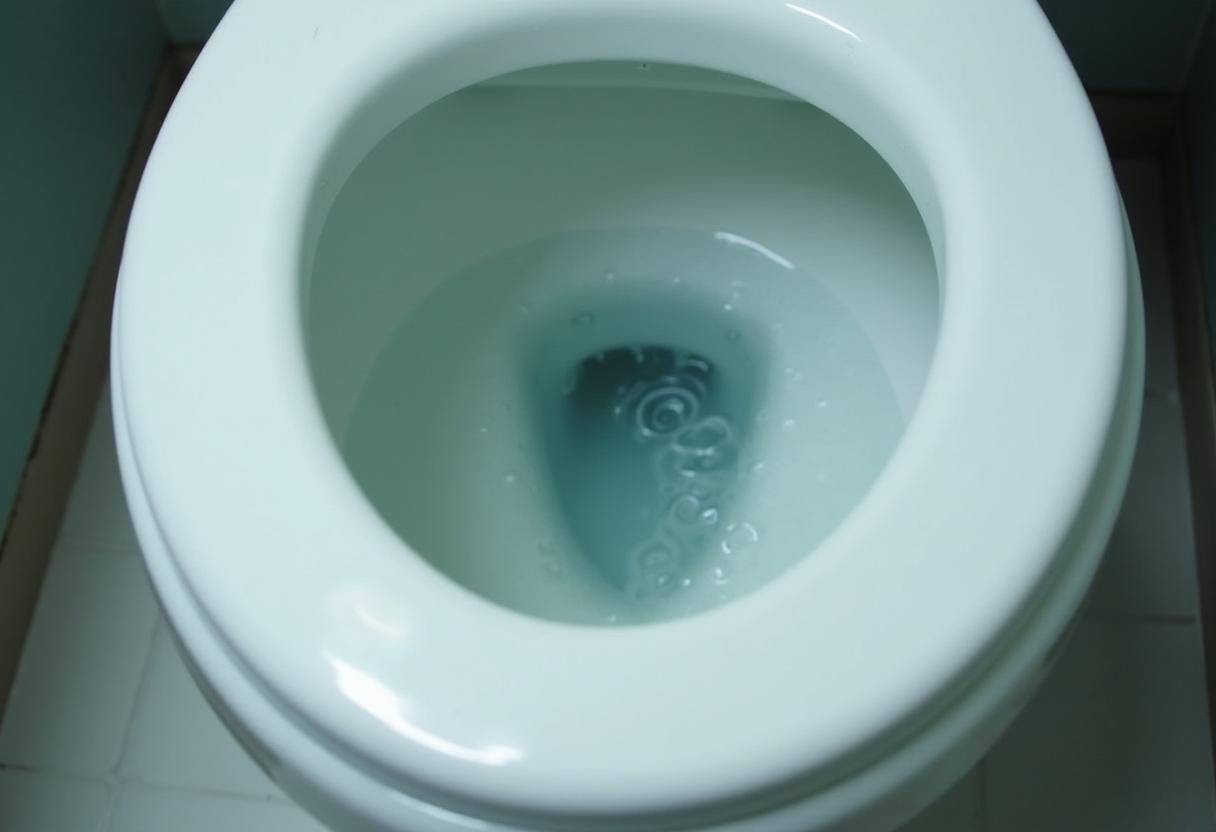
Slow drains and gurgling noises are two of the earliest and most easily missed signals a septic system sends. When a single fixture drains slowly, the culprit is often a local clog. But when several fixtures slow down together, or when flushing a toilet makes a tub gurgle, the trouble usually lies deeper in the system. A tank that is full of accumulated solids has less room for wastewater to pass through, so everything slows down. Gurgling happens because trapped air cannot vent properly as waste moves through a crowded pipe or tank.
These symptoms are rarely emergencies on their own, but they are the system’s way of telling you that maintenance is overdue. Catching a septic problem at the “slow and gurgling” stage almost always costs far less than waiting until waste has nowhere left to go. A routine inspection and professional septic pumping in Hyde Park, NY and nearby communities can often reset the system before anything more serious develops.
What Do Sewage Odors Mean?
Few warning signs are as unpleasant, or as telling, as the smell of sewage. A properly functioning septic system is sealed and vented so that odors are carried safely up and away from your home. When you notice a sewage smell near indoor drains, around the tank, or drifting across the yard, it means gases are escaping from somewhere they should not. A sewage odor is never something to ignore, because it points to a system that is full, blocked, or leaking.
Indoors, the smell might come from a dry drain trap or a venting issue, but it can also signal that the tank is at capacity. Outdoors, an odor over the tank or drain field often means waste is rising toward the surface or that the tank needs pumping. Because odors can have several causes, an inspection is the fastest way to pin down the source and address it before it worsens.
Should I Worry About Wet or Lush Patches in the Yard?
The condition of your drain field tells you a great deal about the health of your entire septic system. If the grass over your drain field is suddenly greener, thicker, or lusher than the surrounding lawn, it may be feeding on nutrients from wastewater that is not being absorbed properly. Similarly, soggy or standing water over the drain field, especially when it has not rained, suggests the field is saturated and can no longer handle the flow.
This sign deserves prompt attention. A struggling drain field is one of the most expensive parts of a septic system to repair or replace, so identifying the problem early can make the difference between a manageable service call and a major project. Standing water and soggy ground can also carry harmful bacteria, so it is wise to keep children and pets away from the area until it has been inspected. If you notice these conditions, it is a good time to reach out to our team for an evaluation.
Which Septic Problems Are Emergencies?
Some septic warning signs can wait a few days for a scheduled visit, while others call for immediate help. Sewage backing up into your home is always an emergency, because it poses a health hazard and can cause serious property damage in a matter of hours. If you see wastewater rising into tubs, sinks, or toilets, stop using water in the house right away and call for service without delay.
Other situations that warrant an urgent response include sewage pooling on the surface of your yard, a strong sewage smell combined with backups, and a tank that is visibly overflowing. In these cases, every gallon of water you send down the drain makes the problem worse. Because septic emergencies do not keep business hours, we answer calls 24/7 so that Hudson Valley homeowners are never left waiting when waste has nowhere to go. When in doubt, it is always safer to call and ask than to hope the problem resolves on its own.

Why Does Acting Early Save Money?
The single biggest factor in the cost of a septic repair is how long the problem is allowed to continue. A tank that is pumped on schedule protects the drain field, and a healthy drain field is what keeps a septic system affordable to own. When warning signs are ignored, solids can flow out of the tank and clog the drain field, turning a simple pumping into a costly replacement that may involve excavation, permits, and days of disruption. Staying ahead of trouble with regular septic pumping in Wappingers Falls, NY and throughout Dutchess County is the most dependable way to control those costs.
Acting early also protects your home and property from water damage, contamination, and the inconvenience of a system that fails at the worst possible moment. Regular inspections and pumping are modest, predictable expenses, while emergency repairs are neither. The U.S. Environmental Protection Agency offers helpful guidance on routine septic care at its SepticSmart resources, and the New York State Department of Health provides information on protecting your household and local water supply. Both underscore the same point we share with every customer: prevention is far cheaper than repair.
How Do I Keep My Septic System Healthy?
Preventive care is the surest way to avoid the warning signs described above. Routine pumping, careful water use, and keeping harmful items out of your drains go a long way toward extending the life of a system. The most reliable protection against a costly failure is a regular inspection schedule that catches small issues before they grow. Spacing out laundry loads, fixing leaky fixtures, and avoiding flushing wipes, grease, and chemicals all reduce the strain on your tank and drain field.
It also helps to know your system: where the tank and drain field are located, when the system was last pumped, and roughly how old it is. This information makes every service visit faster and more accurate, and it helps you recognize when something has changed.
When Should I Call a Professional?
If you have noticed any of the signs in this article, the safest next step is to have your system looked at by someone who knows local soils, codes, and conditions. A brief inspection today can spare you a major expense and a great deal of stress later on. As a family-rooted company serving Dutchess County and the surrounding Hudson Valley since 1950, we are glad to take a look, explain what we find in plain language, and give you honest options.
We offer free estimates, so there is no cost to finding out where your system stands. To schedule an inspection or ask a question, contact Jones Septic Services or call us anytime at (845) 452-1123. Whether it turns out to be a minor fix or something more, catching it early is always the smarter, more affordable choice.
Frequently Asked Questions
What are the most common signs a septic system needs attention?
Slow drains throughout the house, gurgling from drains or toilets, sewage odors indoors or outdoors, wet or unusually lush patches over the drain field, backups into sinks, tubs, or toilets, and high water levels in the tank. Any one is worth a closer look; more than one usually means it is time to call a professional.
Why are my drains slow and gurgling?
When several fixtures slow down together or flushing a toilet makes a tub gurgle, the trouble usually lies deeper than a local clog. A tank full of solids leaves less room for wastewater, so everything slows, and trapped air that cannot vent causes the gurgling. It is the system signaling that maintenance is overdue.
Which septic problems are emergencies?
Sewage backing up into your home is always an emergency, along with sewage pooling in the yard, a strong sewage smell combined with backups, or a visibly overflowing tank. Stop using water in the house and call for service right away, because every gallon makes it worse. We answer 24/7.
Should I worry about soggy or lush grass over the drain field?
Yes. Grass that is suddenly greener, thicker, or soggy, especially when it has not rained, can mean the drain field is saturated and wastewater is surfacing. A struggling drain field is expensive to repair, so catch it early and keep children and pets off the area until it is inspected.
Why does acting early save money?
The biggest factor in repair cost is how long a problem continues. A tank pumped on schedule protects the drain field, and a healthy drain field keeps the whole system affordable. Ignored warning signs let solids clog the field, turning a simple pumping into a costly excavation and replacement.
How do I keep my septic system healthy?
Pump on a regular schedule, use water carefully, and keep wipes, grease, and chemicals out of your drains. Space out laundry, fix leaks promptly, and know where your tank and drain field are and when the system was last serviced. Free estimates are available at (845) 452-1123.
