
The Decision That Determines Everything That Follows
When something goes wrong with a septic system, a slow drain that isn’t improving, an odor that appeared overnight, a wet spot in the yard that shouldn’t be there, the instinct to find the quickest and least expensive solution is completely understandable. Septic problems are inconvenient, sometimes alarming, and always feel urgent. In that state of mind, a neighbor’s recommendation, a classified ad, or an unlicensed handyman offering a lower rate can seem like a reasonable option.
It rarely is. And the reason has nothing to do with professional pride or market protection. It has everything to do with what a septic system actually is, a piece of regulated public health infrastructure whose proper function protects your drinking water, your soil, your property value, and in many cases, your neighbors’ wellbeing too.
We’ve been servicing properties across Dutchess County since 1950, and we’ve seen the consequences of unlicensed septic work more times than we can count. This article is our honest explanation of what licensing actually means, why it matters for every type of septic service, and what property owners risk when they choose an unqualified provider to save money in the short term.
What Licensing Actually Means in New York State
It’s Not Just a Piece of Paper
When we talk about a licensed septic professional in New York State, we’re describing someone who has met specific educational, experience, and examination requirements administered by the state, and in Dutchess County, by the county Department of Behavioral and Community Health, which oversees local compliance with the New York State Department of Health standards for individual wastewater treatment systems.
Licensing requirements for septic system work in New York include demonstrated knowledge of system design, installation standards, soil science, regulatory compliance, and proper waste handling procedures. Licensed professionals are also subject to ongoing regulatory oversight, meaning their work can be audited, their licenses can be suspended or revoked for violations, and they have a professional and legal accountability that an unlicensed operator simply doesn’t have.
That accountability is the practical difference between hiring someone licensed and someone who isn’t. If a licensed professional makes an error, there’s a regulatory framework for addressing it. If an unlicensed operator makes an error, installs a drain field in the wrong location, pumps a tank improperly, damages a pipe connection, the property owner has limited recourse and may bear the full cost of fixing the mistake.
The Difference Between Licensed, Certified, and Insured
These three terms are related but distinct, and understanding them helps property owners ask the right questions when evaluating a septic service provider.
Licensed refers to state or county authorization to perform regulated septic work, including installation, certain repairs, and inspections. Not all septic services require a license in the same way, but any work that involves permits, system design, or installation absolutely does.
Certified often refers to specific training credentials, for example, certification from the National Association of Wastewater Technicians or a state-recognized inspection certification program. Certification indicates specialized training beyond basic licensing requirements.
Insured means the company carries liability insurance and, for employees, workers’ compensation coverage. This protects the property owner if something goes wrong during service, if equipment damages the property, if an employee is injured on site, or if work performed causes subsequent damage. An uninsured operator means the property owner absorbs any liability that arises.
A fully qualified septic professional is licensed, appropriately certified for the services they’re performing, and insured. All three matter. Asking for documentation of all three before any work begins is a reasonable and appropriate step.

Why Licensing Matters for Each Type of Septic Service
Pumping: More Than a Technical Task
Septic tank pumping seems straightforward, connect a hose, remove the contents, done. In practice, a professional pump-out is a skilled service that requires proper equipment, correct technique, and the knowledge to assess what’s found during the process.
Dutchess County NY Septic Tank Pumping performed by a qualified professional includes sludge depth measurement before pumping, full removal of tank contents including sludge and scum layers, inspection of accessible interior components, and documentation of findings. An unlicensed operator may skip measurement entirely, may not fully evacuate the tank, leaving settled sludge that continues to accumulate, and almost certainly won’t provide the documented service record that becomes part of the property’s maintenance history.
Beyond technique, there’s the matter of waste disposal. Septage, the material pumped from a septic tank, is a regulated waste under New York State environmental law. Licensed haulers are permitted to transport and dispose of septage at approved facilities. An unlicensed operator has no legal disposal pathway, which means the waste pumped from the tank may be disposed of illegally, a serious environmental violation that, in some circumstances, creates liability exposure for the property owner as well.
Cleaning: Requires Proper Assessment to Be Meaningful
Dutchess County NY Septic Tank Cleaning goes beyond pumping to address residue accumulation inside the tank and includes evaluation of the baffle components, the internal structures that direct flow and prevent solids from exiting the tank. Identifying baffle deterioration, assessing whether the inlet and outlet structures are intact and properly positioned, and documenting the tank’s interior condition all require the knowledge to know what a healthy system looks like versus what indicates a problem.
An unlicensed provider performing a cleaning may go through the physical motions without the diagnostic awareness that makes the service genuinely valuable. The difference isn’t always visible to the property owner, but it shows up over time, when a developing baffle problem that should have been identified and addressed during a cleaning progresses instead to drain field contamination.
Inspections: Where Licensing Is Most Critical
Of all septic services, professional inspection is the one where the qualification of the provider matters most, and the consequences of using an unqualified inspector are most directly felt. A septic inspection is a diagnostic service. Its value is entirely dependent on the inspector’s knowledge, experience, and ability to accurately assess what they’re observing.
Dutchess County NY Septic Tank Inspection performed by a licensed professional evaluates every system component systematically: tank structure, sludge and scum levels, baffle condition, pipe integrity, drain field health, and overall system performance relative to its design specifications. The written report that results from this evaluation is a professional opinion, one that buyers rely on to make purchase decisions, lenders rely on for financing approvals, and sellers rely on for disclosure compliance.
An inspection performed by an unqualified provider isn’t worth the paper it’s written on in any of those contexts. Worse, it may provide false assurance about a system that has real problems, leading a buyer to close on a property that requires significant near-term repair, or giving a homeowner confidence in a system that’s quietly failing.
The EPA’s SepticSmart program is direct about the importance of professional inspection by qualified evaluators, noting that homeowner observation and unqualified assessments miss the subsurface conditions that determine actual system health.
Repairs: Where Unlicensed Work Creates the Greatest Risk
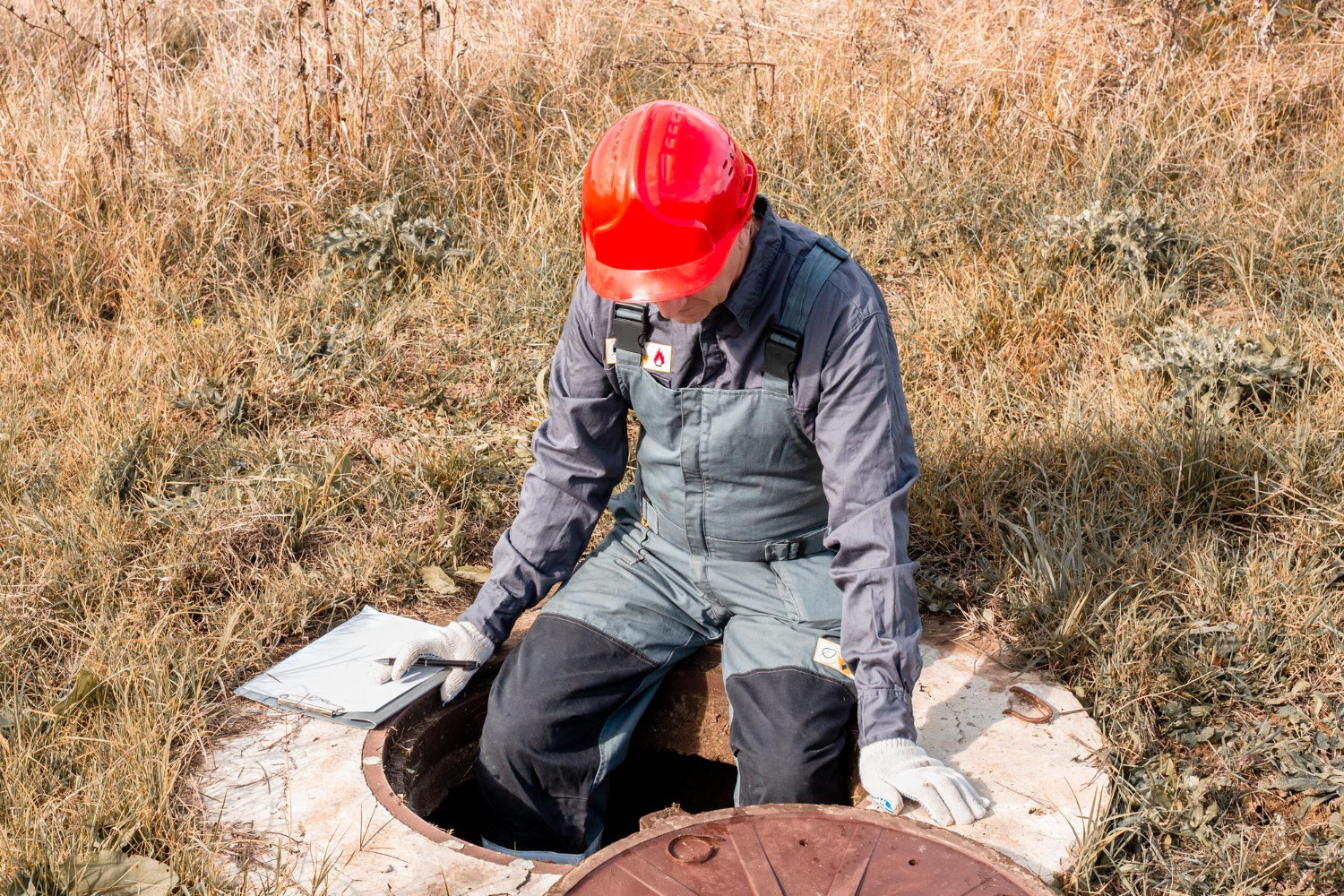
Septic system repairs range from minor component replacements, a baffle, a riser, a section of pipe, to significant structural interventions involving the tank, the connecting pipe network, or the drain field. For anything beyond the most minor cosmetic fix, repair work that isn’t performed by a licensed professional creates compounding risk.
Dutchess County Septic Tank Repair involving any structural component of the tank or the pipe network typically requires a permit in Dutchess County. Unpermitted repair work, regardless of how skillfully it’s performed, creates regulatory complications that affect the property’s title, its insurability, and its saleability. A buyer’s lender who discovers unpermitted septic repair work may decline to finance the purchase. An insurer who discovers it may deny a claim related to septic system failure.
Beyond permitting, repair work performed incorrectly by an unqualified provider often fails to address the actual underlying cause of the problem. A drain field that’s backing up because sludge has been flowing from an overdue tank for two years isn’t repaired by trenching and replanting the field surface, the tank needs to be addressed first, the drain field needs proper assessment, and any repair needs to be designed around the actual failure mode. Qualified professionals diagnose before they act. Unqualified ones often address the visible symptom without understanding what caused it.
Installation: No Legitimate Unlicensed Option Exists
New septic system installation in New York State requires permits, soil testing, engineering design, and licensed contractor execution. There is no legitimate pathway for unlicensed installation of a new or replacement system. Any property that has had a system installed without permits and licensed contractor involvement has an unpermitted system, a serious problem with direct implications for financing, insurance, and regulatory compliance.
Dutchess County NY Septic Tank Installation involves the full permitting process through the county health department, soil and percolation testing to determine appropriate system sizing and placement, licensed installation by qualified professionals, and final inspection sign-off. Every step of this process has a regulatory requirement behind it, and those requirements exist because poorly designed or improperly installed systems fail, contaminate groundwater, and create public health problems that extend beyond the property where the installation occurred.
The long-term cost of an improperly installed system, through premature failure, regulatory remediation requirements, or complications at the time of property sale, consistently exceeds the short-term savings that an unlicensed installer might offer.
Health and Environmental Stakes That Make This Non-Negotiable
What a Failing System Threatens Beyond Your Property
The reason septic system work is regulated isn’t bureaucratic convenience, it’s public health protection. A septic system that fails due to improper installation, inadequate maintenance, or unqualified repair work doesn’t just affect the property where it’s located. It can contaminate the groundwater that neighboring properties draw from their wells. It can introduce pathogens and excess nutrients into nearby streams, ponds, and wetlands. It can create conditions that affect entire communities.
The CDC’s resources on onsite wastewater treatment document the public health consequences of improperly functioning septic systems, including waterborne illness outbreaks traced to contaminated private wells, and surface water quality degradation affecting recreational and ecological resources. These aren’t hypothetical risks. They’re documented outcomes of systems that weren’t properly installed, maintained, or repaired.
For property owners across Dutchess County, many of whom draw drinking water from private wells, the connection between septic system quality and drinking water safety is direct and personal. This is the context in which the decision to hire a licensed professional instead of an unlicensed one should be understood. It’s not primarily about protecting the system. It’s about protecting the water.
Pipe Integrity and Its Downstream Implications
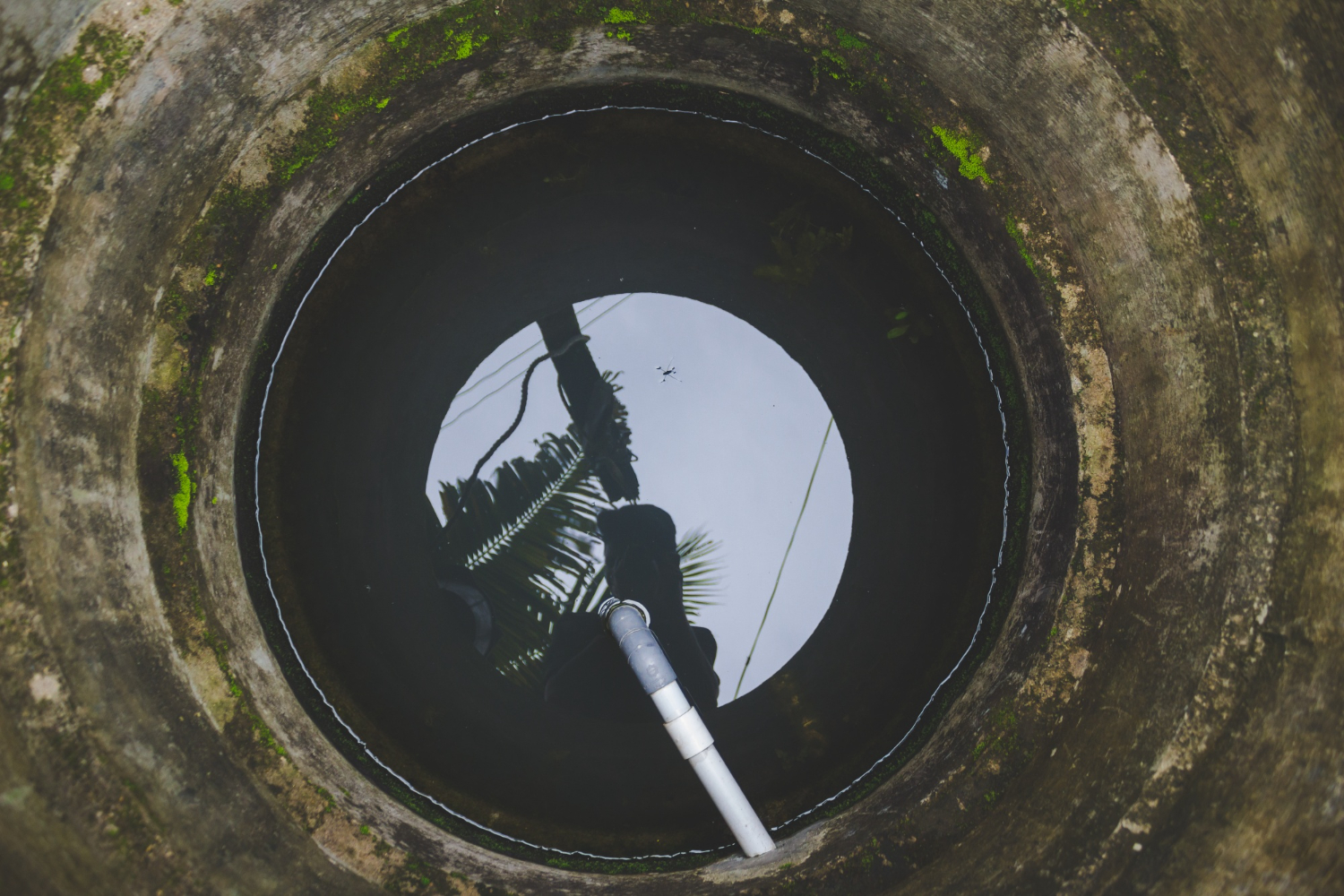
Pipe snaking and cleaning performed by a qualified provider isn’t just about clearing a blockage. It’s about understanding what caused the blockage, assessing the condition of the pipe being snaked, and identifying whether the issue is isolated or part of a broader pattern of pipe deterioration. An unlicensed operator who snakes a blocked drain without understanding the system it connects to may clear the immediate obstruction while missing the root cause, leaving the property owner facing the same problem, or a worse one, a few months later.
The same applies to sewer repairs and installations, where the connecting infrastructure between a home and its septic or municipal sewer system requires proper assessment and permitted repair work. And to water repairs and installations, where water line condition affects not just household comfort but the hydraulic load on the septic system, a leak that directs excess water toward the drain field contributes to saturation and failure over time.
What to Ask Before Hiring Any Septic Service Provider
We understand that vetting a service provider adds a step when the problem feels urgent. But asking the right questions upfront takes minutes and protects against outcomes that can cost thousands of dollars to correct.
Before hiring any septic service provider in Dutchess County, ask:
- Are you licensed to perform this specific type of work in New York State? Request license numbers and verify them with the county or state if needed
- Are you insured? Request a certificate of insurance showing liability coverage and workers’ compensation
- Will permits be required for this work, and will you handle the permitting process? Any provider who says permits aren’t needed for significant repair or installation work is a red flag
- Will you provide a written service record? Documentation of every service visit, including findings and recommendations, is a basic professional standard
- How will the pumped waste be disposed of, and at which approved facility? A licensed hauler can answer this specifically
These questions are not adversarial, they’re reasonable due diligence that any qualified, legitimate provider will answer without hesitation. A provider who becomes evasive or defensive when asked for license numbers or insurance documentation is telling you something important.
If your system shows signs of wear, it might be time for an inspection, performed by a licensed professional whose findings you can rely on. Wondering whether your tank is due for a pump-out? Let’s talk. We’re always available to assess your property’s septic needs, and we bring over 70 years of licensed, documented service to every property we visit.
